
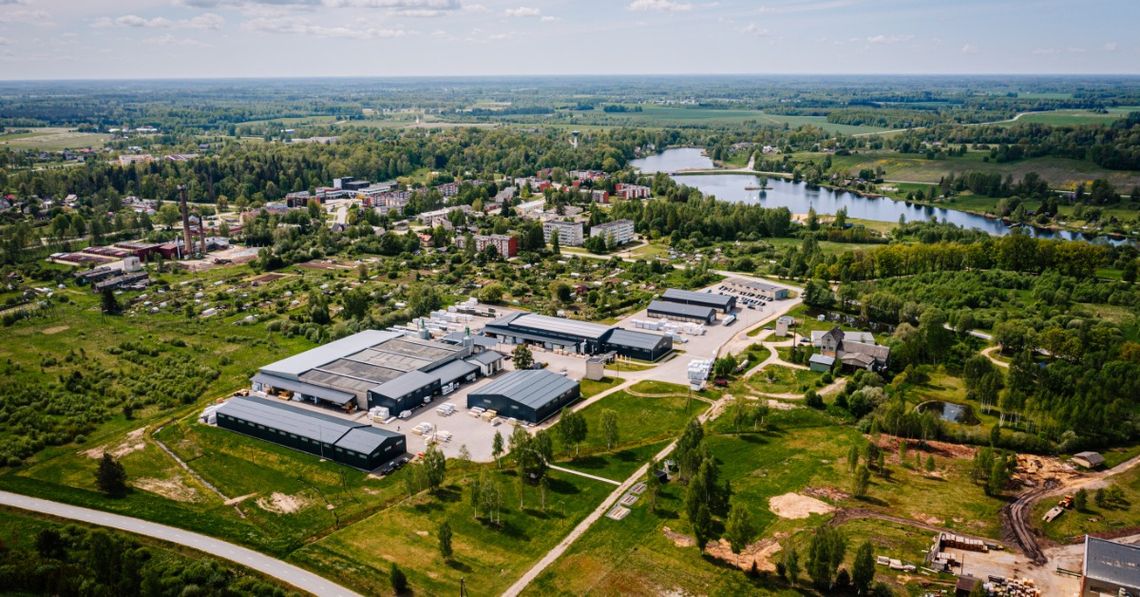
As a business grows, questions about space, costs, employees, and transportation become harder to ignore. Large cities may seem like the obvious place to expand, but small-town locations can offer growing businesses practical advantages that are easy to overlook. These may include lower property costs, more room to expand, and easier access to regional transportation routes. For the right company, those conditions can create a strong foundation for steady, long-term growth.
Lower Operating Costs
Keeping recurring expenses under control can give a company more flexibility to invest in employees, equipment, inventory, or facility improvements. In some smaller communities, commercial real estate may cost less than comparable space in a major metropolitan area. Still, businesses should compare the full cost of operating in a location rather than looking at rent or purchase price alone.
Useful expenses to compare include:
- commercial rent or purchase costs
- property taxes and insurance
- utility expenses
- maintenance and repair costs
- employee commuting considerations
- transportation and delivery expenses
More Room to Expand
One of the advantages of small-town locations for growing businesses is the ability to secure sufficient space for current operations and future plans. Companies that choose a site based solely on immediate needs may eventually incur the costs and disruption of relocation. Planning for growth from the start can make a location more useful over the long term.
Expansion needs also vary by industry. A manufacturer may need room for additional production lines, while a distributor may care more about warehouse capacity, loading areas, and truck circulation. Office-based businesses may place greater value on parking, connectivity, and space for a growing staff.
Flexible Property Opportunities
Growing businesses don’t all need the same type of property. Some depend on high ceilings and loading docks, while others need customer access, outdoor storage, specialized utilities, or extensive parking. Smaller communities may offer a mix of existing buildings and undeveloped sites, giving companies more ways to compare properties against their operational needs.
A property's advertised acreage also doesn’t always reflect how much of the site can actually be used. When developers evaluate industrial land, they consider factors such as road access, utilities, zoning, parcel configuration, site conditions, and development costs. Businesses can apply a similar level of scrutiny when deciding whether a seemingly attractive property will truly support their plans.
Infrastructure Readiness
A property may look suitable on paper but still require costly improvements before a business can use it effectively. Utility capacity, drainage, road access, and broadband availability can all affect how quickly a site becomes operational. Existing infrastructure can reduce delays and make future expansion easier to manage. Businesses should factor those conditions into the overall cost of a location rather than focusing only on the purchase price.
Stronger Community Connections
Businesses in smaller communities often operate within a more closely connected network of residents, schools, organizations, suppliers, and local leaders. Those relationships can make it easier to understand community needs and identify useful local resources. Over time, consistent participation can also make a business more familiar to potential employees and customers.
That kind of connection isn’t automatic, though. It develops through communication, involvement, and responsible business practices. Companies that take time to understand local priorities are more likely to build productive, long-term relationships within the community.
Local Partnerships and Support
Local partnerships can take many forms. A company may work with nearby suppliers, participate in career programs, support community events, or connect with workforce organizations. Schools and training programs can also connect employers with students and residents exploring local job opportunities. These relationships can create a valuable network of local knowledge, especially for a business that’s new to the area.
Access to Regional Workforces
A town’s population doesn’t tell the whole story about its labor pool. Employees may commute from nearby communities, especially when road connections are convenient and the jobs competitive. For that reason, businesses should look beyond municipal boundaries when estimating how many workers may be within reach.
It’s also important to consider the type of talent a company needs. A large regional workforce offers limited value if available workers don’t match the required occupations, schedules, or qualifications. Reviewing nearby industries, educational resources, commuting patterns, and workforce-development programs can provide a more useful picture.
Workforce Training Resources
Access to workers is only part of the staffing picture. Local schools, community colleges, training programs, and workforce organizations can strengthen the talent pipeline over time. These resources may be especially valuable for businesses that need specialized skills or expect to add new roles as they grow. Reviewing nearby training options can give employers a clearer sense of how well the area can support long-term hiring needs.
Strategic Transportation Access
A small-town location can still be well connected when major highways and regional routes are nearby. Transportation affects much more than freight; it can influence employee commutes, service calls, supplier access, and customer convenience. Companies that rely heavily on deliveries or distribution should examine these connections as carefully as they examine the property itself.
Important transportation factors include:
- distance to major highways
- local road conditions
- truck access and turning space
- delivery route efficiency
- employee commuting routes
- access to nearby markets
Less Crowded Business Environments
In heavily developed markets, businesses may compete for property, workers, contractors, and other limited resources. Smaller markets can sometimes ease that pressure, especially when suitable buildings or development sites are more available. The effect varies by industry, so companies should study local conditions instead of assuming that a smaller population automatically means less competition.
A less crowded market may also reveal needs that aren’t being fully served. Certain products, services, or employment opportunities may already be common in larger cities but relatively limited in smaller communities. Careful market research can show whether that gap represents genuine demand or simply a smaller customer base.
Small towns aren’t automatically the right fit for every company, just as larger cities don’t guarantee success. The strongest location is the one where the property, costs, workforce availability, infrastructure, transportation, and expansion potential align with the operation's needs. Looking beyond population size gives businesses a more complete way to compare communities. For a growing company, that broader view may reveal opportunities that would otherwise be easy to miss.
Comment
Comments