
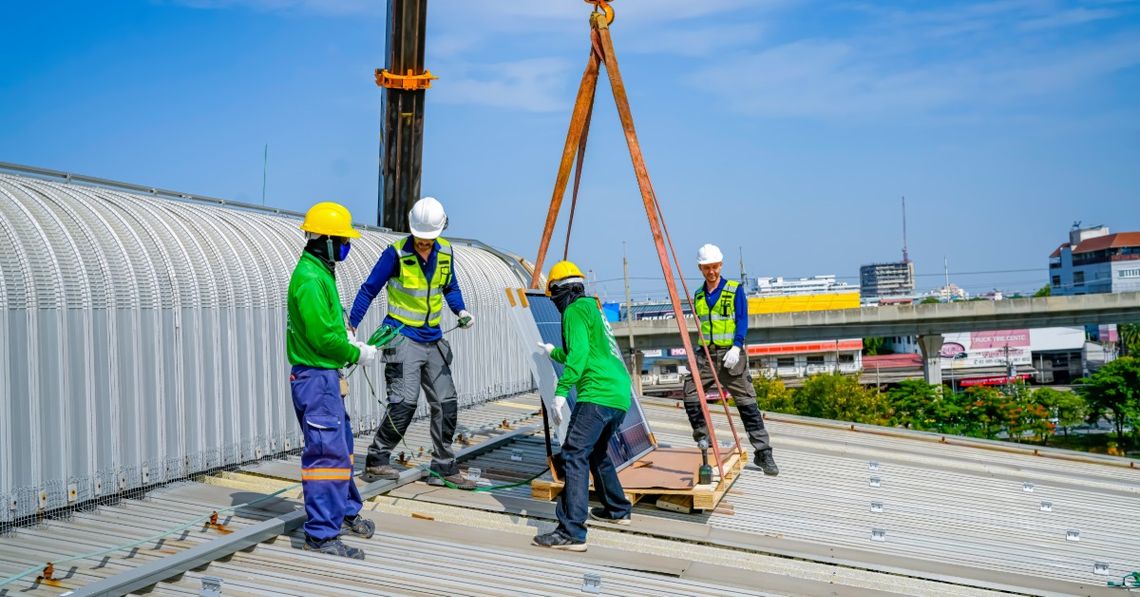
A crane can handle tremendous weight, but a successful lift still depends on the crew, the plan, and the details that come before the load leaves the ground. Must-know lifting techniques for construction crews cover far more than crane controls or raw equipment capacity. Review these easy tips to make each construction project safer.
Start With the Load, Not the Crane
A sound lift plan starts with a clear picture of the load itself. Crews need accurate weight data, dimensions, center of gravity, attachment points, and any traits that could affect balance. A long steel beam calls for a different setup than a compact HVAC unit of similar weight. The number on the scale tells only part of the story.
Center of gravity deserves close attention because an off-center load can tilt as tension comes onto the slings. Attachment points also need to suit the load and the planned lift path. Crews should account for loose parts, sharp edges, fragile surfaces, or other traits that could alter the setup. Those details help the qualified personnel select a suitable rig arrangement for the task.
Choose the Right Sling Configuration
Slings transfer the load to the crane, so their placement deserves deliberate thought. Vertical, basket, and choker configurations each serve different purposes, and no single arrangement fits every load. Sling angle also affects the forces placed on the gear. A setup that looks acceptable at first glance may place far more force on the slings once the angle changes.
Crews should use equipment that suits the load, attachment points, and manufacturer requirements. The crew should also inspect the selected gear under the rules and procedures that apply to the job. A rushed setup can introduce avoidable trouble before the lift even starts. Qualified personnel need enough time to assess the load and select a suitable method.
Use a Controlled Test Lift
A short test lift can reveal a lot before the load travels across the site. The operator can raise the load just enough to place tension on the system, then the crew can assess balance, sling position, and load behavior. If the load tilts or the gear shifts, the crew can set it back down and correct the setup. That small pause can prevent a poor configuration from becoming a much larger problem.
The test also gives the operator a chance to confirm how the crane responds under load. No crew should treat this step as permission to improvise outside the lift plan or equipment limits. Instead, it serves as a practical check that the planned setup behaves as expected. A stable start sets a much better tone for the rest of the lift.
Keep the Load Under Control
One of the key reasons that telehandlers are game-changers for framing crews is that they allow safer movement on-site. No matter what equipment you use, load control is always crucial for safe use. Once the load leaves the ground, smooth crane movement deserves priority over speed.
Sudden starts, abrupt stops, or fast direction changes can add unwanted motion and force to the load. A controlled pace gives the operator and ground crew more time to react to site conditions. It also helps the load follow the planned route with less drama. Tag lines may help crews control certain loads from a safer position when their use fits the task and lift plan. Crew members still need to stay clear of pinch points and avoid positions that place them beneath or too close to a suspended load.
Establish Clear Signals Before the Lift
A crane operator needs reliable information when the load, destination, or nearby hazards fall outside the cab's clear view. OSHA requires a signal person in several situations, such as when the operator can't fully see the point of operation or when the view in the direction of equipment travel is obstructed. Hand signals need to follow the applicable standard method unless site circumstances meet OSHA's provisions for another method. For voice signals, the operator, signal person, and lift director, if present, must agree on the signals before operations start. Radio or electronic signal devices also require an on-site test before operations so the crew can verify clear, reliable transmission.
Respect the Fall Zone
One of the most practical lift techniques has nothing to do with the controls. Crew position matters every time a load leaves its support. Workers should stay out of the fall zone except under circumstances allowed by applicable rules. No schedule is worth an unnecessary shortcut around a suspended load. OSHA sets specific requirements for employees who must enter the fall zone to hook, unhook, guide, or make an initial connection. Those requirements include the use of a qualified rigger for covered tasks.
Match the Technique to the Site
The same load can present a very different lift from one job site to another. Tight access, nearby structures, ground conditions, overhead hazards, and the required load path can all affect the plan. Crews should review the site before crane operations start rather than rely on assumptions from a past project. A familiar piece of equipment doesn't turn a new site into familiar territory. This point has extra value for rough terrain crane work, where job-site conditions can vary from one area to the next. A contractor can benefit from a crane provider that understands the equipment demands behind varied project sizes.
Coordinate the Crew Around One Plan
A good lift loses much of its value if every crew member has a different idea of how the job should proceed. Operators, qualified riggers, signal personnel, supervisors, and other crew members need a shared plan before the load moves. Each person should understand the load path, communication method, assigned roles, and areas that need to stay clear. That shared picture reduces confusion once the crane takes the weight.
Crews also need authority to stop operations when conditions no longer match the plan. Issues like a blocked path, communication problem, unexpected load shift, or site change deserve attention before work resumes. Production pressure shouldn't push a crew past a condition that calls for reassessment. A deliberate reset can keep a manageable issue from becoming a costly site problem.
Avoid Treating Experience as a Substitute for Preparation
Experienced construction crews develop strong instincts, but experience works best alongside a job-specific plan. Familiarity with a crane model, a common load, or a repeat customer site can help, but each lift still deserves attention to its actual conditions. Crews that review the details instead of relying on habit put themselves in a stronger position before work starts.
Good crane work comes from discipline across the entire lift, from the first look at the load to final placement. Crews benefit when they follow these must-know lifting techniques for construction workers. Review these tips before your next project to ensure you use responsible, effective methods on-site.
Comment
Comments