
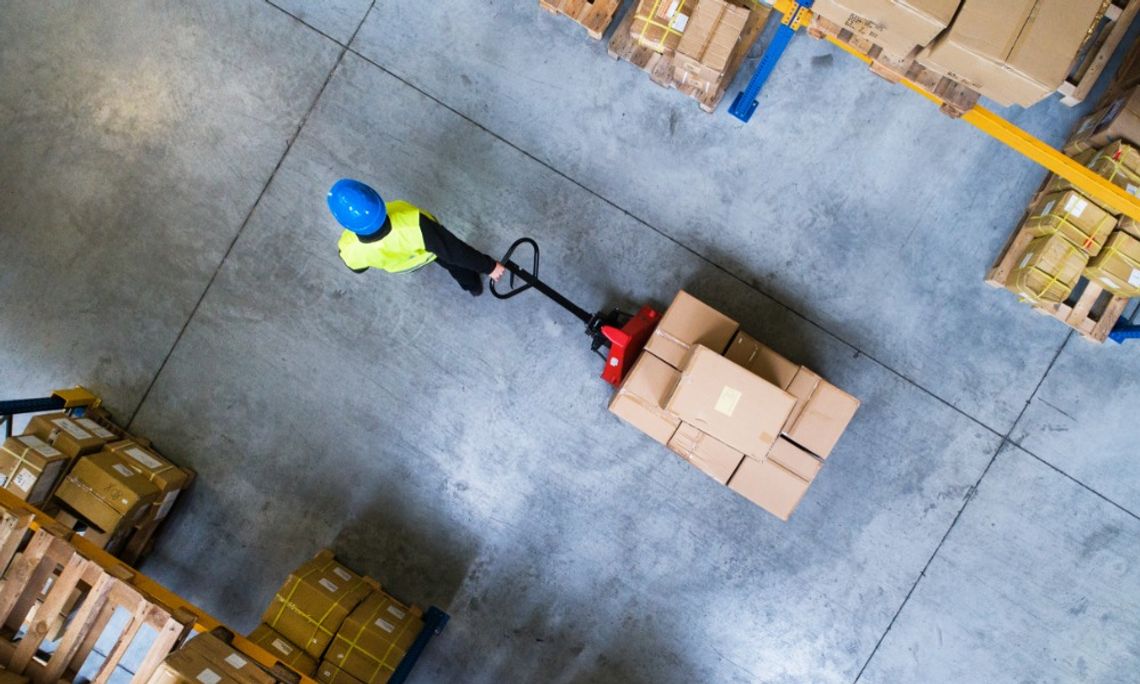
A well-organized warehouse does more than look tidy; it helps employees work confidently, locate materials quickly, and keep daily operations moving. For businesses in Pelahatchie, Mississippi, smart warehouse practices can support productivity whether a facility handles construction supplies, manufactured goods, retail inventory, or agricultural products. Every aisle, storage rack, loading area, and workstation plays a role in creating a safer environment.
A thoughtful approach to warehouse organization can also help businesses make better use of the space they already have. It’s important to learn how to create a safer, more organized warehouse.
Start With a Clear Warehouse Layout
A practical warehouse layout creates a foundation for organization and safety. Managers should study how products enter the building, move through storage areas, and eventually leave for delivery or customer pickup. Frequently handled materials should sit in accessible locations that reduce unnecessary travel across the facility. This approach can shorten handling times while helping workers avoid crowded pathways and awkward movements.
Warehouse leaders should also consider how people and equipment share the available floor space. Forklifts, pallet jacks, carts, and employees need clearly defined routes that minimize unexpected interactions. Wide aisles and logical traffic patterns give equipment operators better visibility and room to maneuver. Businesses can adjust these routes as inventory levels, equipment needs, or workflows change.
Keep Aisles and Work Areas Clear
Clutter can quickly turn an ordinary warehouse aisle into a workplace hazard. Loose packaging, empty pallets, tools, cords, and misplaced inventory can interfere with employees who need to move efficiently through the building. Managers should establish clear expectations about where teams place materials during receiving, picking, packing, and shipping. Regular cleanup routines keep temporary messes from becoming permanent obstacles.
Simple visual cues can reinforce these expectations throughout the facility. Floor markings can identify pedestrian routes, equipment lanes, staging zones, and spaces that employees must keep clear. Signs can direct workers toward exits, storage sections, loading areas, and specialized workstations. Consistent visual organization helps experienced employees and new team members understand how to navigate the warehouse.
Match Storage Systems to Inventory
Storage equipment should reflect the size, weight, shape, and movement frequency of the products inside the warehouse. A facility that stores heavy industrial components needs a different setup from one that handles small boxes or lightweight retail inventory. Managers should evaluate shelving, pallet racking, bins, cabinets, and specialty storage options according to actual operational demands. The right combination helps teams store more inventory without creating unnecessary congestion.
Businesses should also avoid treating every available vertical space as an opportunity to stack more products. Employees need safe access to stored materials, and equipment operators need enough clearance to retrieve loads comfortably. Warehouse managers should establish appropriate storage heights and follow manufacturer specifications for racks and shelving. They should also keep heavier materials in locations that support stable, controlled handling.
Build Better Material-Handling Practices
Employees often lift, push, pull, carry, and reposition products throughout a warehouse shift. Suitable equipment can reduce unnecessary physical strain while giving workers greater control over heavy or awkward loads. Hand trucks, carts, pallet jacks, lift equipment, conveyors, and other solutions can support different stages of material movement. Managers should choose equipment according to load requirements, travel distances, floor conditions, and frequency of use.
Growing facilities may also benefit when they partner with a material handling specialist to evaluate equipment needs and storage challenges. An experienced professional can identify opportunities to improve movement, reduce unnecessary handling, and select equipment that fits the facility. This guidance can prove especially valuable when a Pelahatchie-area business expands its inventory or changes its warehouse configuration. Planning equipment around actual workflows often produces better results than purchasing individual products without a larger strategy.
Create Simple Rules for Everyday Organization
Warehouse organization works best when every employee understands the same basic expectations. Complicated systems often lose effectiveness when workers face a busy receiving schedule or a sudden rush of outgoing orders. Simple standards make it easier for employees to return products and equipment to their proper locations. Managers can reinforce those standards through training, signage, labeling, and regular walkthroughs.
A short daily checklist can help teams focus on common trouble spots before they affect operations. Consider the following best practices:
- Keep emergency exits and fire equipment accessible at all times.
- Return tools, carts, and handling equipment to designated locations.
- Remove damaged pallets, loose packaging, and other debris promptly.
- Confirm that labels remain visible and match their storage locations.
- Report damaged shelving, racks, flooring, or equipment immediately.
- Keep pedestrian walkways and forklift travel lanes free from inventory.
Inspect Racks and Equipment Regularly
Warehouse equipment handles demanding workloads, so managers should make inspections part of normal operations. Teams should look for damaged rack components, unstable shelving, worn wheels, malfunctioning brakes, loose hardware, and other signs of deterioration. Employees should report concerns as soon as they notice them rather than continuing to use questionable equipment. Prompt attention prevents a minor maintenance problem from disrupting an entire work area.
Inspection schedules should reflect how often employees use each piece of equipment and the conditions inside the facility. High-use pallet jacks, carts, dock equipment, and forklifts may need more frequent attention than equipment that workers rarely operate. Managers should follow manufacturer maintenance recommendations and maintain accurate service records. Reliable equipment supports safer handling while helping businesses avoid preventable downtime.
Prepare for Mississippi Weather Conditions
Pelahatchie’s climate can influence warehouse conditions throughout the year, especially during hot and humid Mississippi summers. Managers should consider ventilation, indoor temperatures, moisture, and weather exposure when developing storage and safety procedures. Certain products, packaging materials, electronics, or equipment may require additional protection from humidity or temperature fluctuations. Loading areas also deserve attention when heavy rain creates wet surfaces or affects incoming shipments.
Severe weather planning should complement everyday warehouse safety practices. Employees should know where to go during dangerous storms and how managers will communicate emergency instructions. Businesses should keep evacuation routes visible and review emergency procedures with new and existing employees. Local weather awareness gives Pelahatchie warehouse teams another practical layer of preparation.
For Pelahatchie businesses, an organized warehouse can support faster workflows, better equipment use, and a more dependable working environment. Clear storage practices and thoughtful material movement also help employees spend less time searching for products or navigating unnecessary obstacles. Businesses that combine good housekeeping with suitable equipment and consistent training create stronger operations from the warehouse floor up. A safer, more organized warehouse ultimately gives employees and managers a better foundation for productive daily work.
Comment
Comments