
When’s the last time you had your home’s sewer lines inspected? If you can’t remember, an inspection could be due. Problems inside a buried pipe may develop for months before you see sewage back up into the house. An inspection gives you a look inside the line before damage reaches that point.
So, how often should you have your sewer lines inspected? A routine schedule gives you a baseline, but your home’s age and sewer history can shorten the interval. Here’s a look at a reasonable inspection schedule and the situations that call for an earlier appointment.
How Often Should You Schedule an Inspection?
Most homeowners should have their sewer lines inspected every one to two years. That schedule gives a technician a regular opportunity to spot cracks or root intrusion before either one causes a backup.
Your home may need a different interval based on the age and condition of the sewer line. If you have no known problems, though, the one-to-two-year range gives you a good general schedule to follow.
Some Sewer Lines Need an Earlier Inspection
A routine schedule works when your sewer line has no warning signs or known trouble. Certain conditions raise the risk of damage and make an earlier inspection a smarter choice.
Pay attention to changes around your home between scheduled inspections. A sewer line may start to cause trouble before your next planned appointment.
Tree Roots Have Reached the Line Before
One of the most common problems found during sewer inspections is root intrusion. If backups return after the line has already been cleared, roots may have grown back into the pipe. Schedule an inspection sooner if your sewer line has had root problems before.
Roots grow toward moisture and can enter through a small opening at a pipe joint. After they get inside, they can spread through the available space and collect waste as it passes. That buildup restricts flow and raises the risk of another clog.
Root removal doesn’t repair the opening that allowed the roots to enter. New growth can return if the pipe still has a crack or loose joint. A follow-up camera inspection lets the technician see whether roots have entered the line again.
Your Sewer Line Is Older
Older sewer pipes can develop damage from decades of use underground. Metal pipes may corrode from the inside, while some older pipe materials can crack or lose their original shape over time.
The age of your home doesn’t tell you what condition the sewer line is in today. A previous owner may have replaced part of the line or repaired one damaged section without replacing the rest.
A camera inspection shows the current condition of the pipe. If the interior still looks sound, you can use that information to decide when the next inspection should happen.
Drain Backups Keep Coming Back
A single clogged fixture may have a local blockage. If several drains back up or the same backup returns after the line has been cleared, the problem may sit farther down the sewer line.
A sag in the pipe can trap water and waste instead of letting both move out to the sewer or septic system. Each new flush sends more material into the same low spot, so the blockage can return after a temporary cleanup.
Misaligned pipe sections can create the same problem. Waste catches on the raised edge where the sections meet, which can lead to another clog in the same area. A camera inspection lets the technician see whether pipe damage is causing the repeat backups.
Your Yard Shows Signs of a Leak
A damaged sewer pipe can leak wastewater into the soil above it. That leak may leave one part of your yard wet even when the rest of the ground is dry.
If the damp area sits over your sewer line and doesn’t match recent rain or sprinkler use, have the pipe inspected. Wastewater can keep the soil saturated and may also produce a sewage odor near the leak.
You don’t need to wait for a backup inside the house. A wet patch or sewage smell above the sewer line gives you enough reason to check the pipe for damage.
Sewer Service Has Become More Frequent
Repeated sewer service can point to a problem that deserves a closer look. If you need the same line cleared again within a short period, another inspection may explain why the blockage keeps returning.
A technician can use the camera to check the section where trouble develops. The footage may show a cracked pipe or another defect that catches debris in the same area.
Without that inspection, you may continue to treat each backup as a separate clog. The camera gives you more information about whether the pipe itself needs repair.
What To Expect During a Sewer Line Inspection
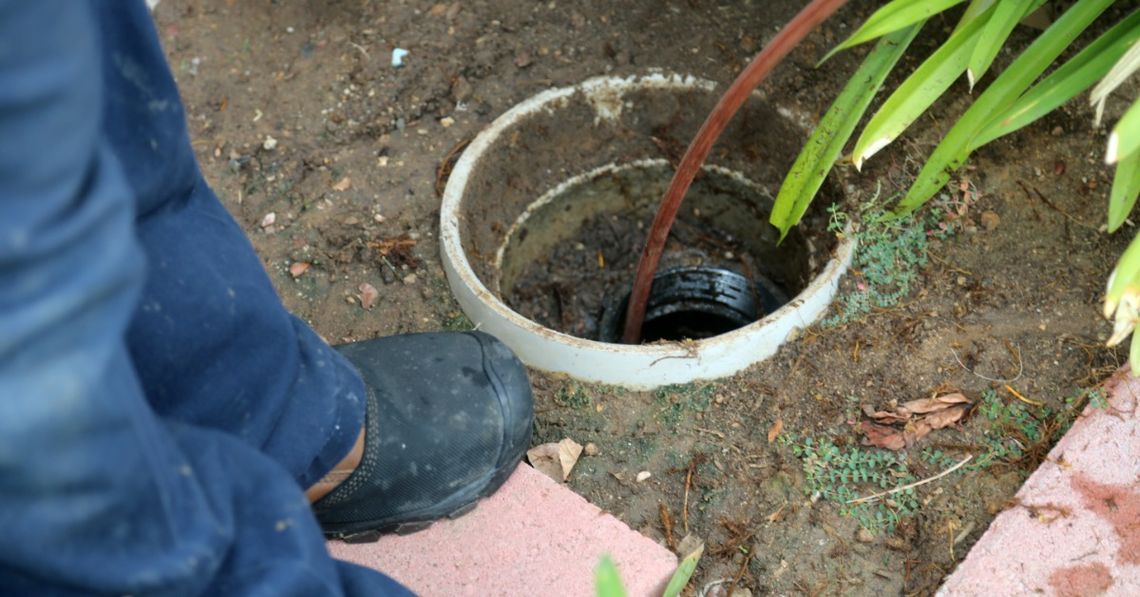
A sewer inspection uses a small camera attached to a flexible cable. The technician sends the camera into the sewer line through an available access point and watches the video as the camera travels through the pipe.
You don’t need to have the yard excavated for a standard camera inspection. The technician works from an existing access point when one is available.
During the appointment, you can expect:
- Access to the sewer line. The technician finds an entry point that allows the camera to enter the pipe.
- A camera pass through the pipe. Video footage shows the interior condition of the line and exposes damage that you can’t see from above ground.
- A closer look at problem areas. The technician can pause at roots or damaged pipe sections to document their location and condition.
- A review of the footage. You’ll learn what the camera found and whether the sewer line needs service.
A blockage may stop the camera before it reaches the full length of the line. The technician may need to remove that obstruction before the camera can continue through the remaining pipe.
The appointment gives you a record of the sewer line at that point in time. Future inspections can show whether an existing defect has changed or whether a new problem has appeared.
Keep Sewer Trouble From Catching You Off Guard
A sewer line can stay out of sight for years, but it still deserves a place in your home maintenance plans. How often you should have your sewer lines inspected depends on the condition of the pipe and its history. A regular inspection schedule gives you time to deal with trouble before it turns into a sewage backup or an expensive emergency repair.
Comment
Comments