
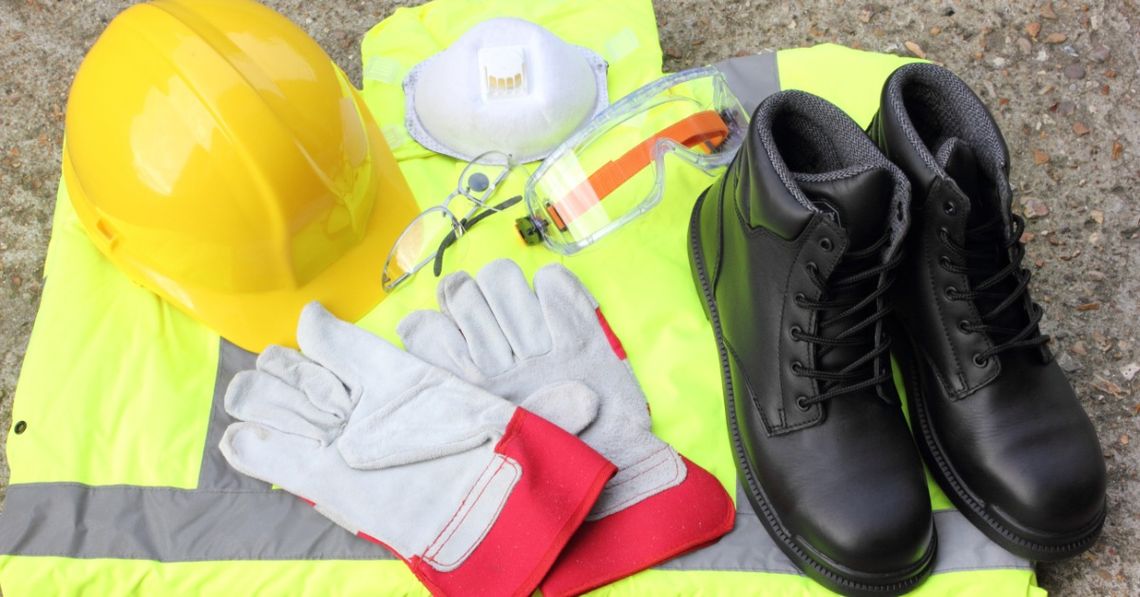
Starting a construction job means learning new tools, procedures, and responsibilities quickly. One of the most important responsibilities involves wearing personal protective equipment, or PPE. Construction sites contain hazards ranging from falling objects and airborne particles to sharp materials, loud equipment, and moving machinery. PPE helps reduce your exposure to these hazards, but only when you select, wear, and maintain it correctly. New construction workers should understand what each type of PPE does and how it fits into a larger workplace safety strategy.
Understand Why PPE Matters
PPE creates an additional layer of protection between you and workplace hazards. Employers should address hazards through safe procedures, training, equipment safeguards, and other controls, but workers may still face some level of risk.
Your PPE helps manage that remaining exposure. Depending on your job, you might need protection for your head, eyes, ears, hands, feet, lungs, or entire body. Never assume that equipment you used on one project automatically meets the requirements of another project. Different tasks create different hazards.
Learn Your Jobsite's PPE Requirements
Every construction site has its own conditions, rules, and potential hazards. Pay close attention during orientation and safety meetings so you understand what equipment your employer requires.
Your responsibilities may also change throughout the day. Cutting concrete creates different risks than moving materials or operating equipment. Before starting an unfamiliar task, confirm which protective equipment you need. Asking questions before beginning work can prevent unnecessary exposure to hazards.
You should also learn where your employer stores replacement PPE and who you should contact when equipment no longer works correctly.
Choose the Correct Head Protection
Construction workers commonly face hazards from falling materials, overhead work, equipment, and low-clearance structures. A hard hat or safety helmet can reduce your risk of serious head injuries.
However, not every piece of headgear provides identical protection. Pay attention to your employer's requirements and the equipment manufacturer's instructions. Finding the right head protection means considering the hazards associated with your job rather than simply grabbing whichever hard hat happens to fit.
Adjust the suspension or fit system so the headgear remains secure without creating uncomfortable pressure. Never drill holes, paint, or modify protective headgear unless the manufacturer specifically allows the modification.
Protect Your Eyes and Face
Construction activities can send dust, wood chips, concrete fragments, sparks, chemicals, and other debris toward your face. Standard prescription glasses or sunglasses usually cannot provide the same protection as proper safety eyewear.
Safety glasses work well for many everyday tasks, while goggles can provide greater coverage against dust, particles, or liquid splashes. Certain operations may require face shields or specialized equipment.
Match your protection to the task. You should also inspect lenses regularly. Deep scratches, cracks, damaged frames, and poor visibility can interfere with both protection and your ability to work safely.
Take Hearing Protection Seriously
Construction sites often contain loud tools and heavy equipment. Repeated exposure to excessive noise can damage your hearing over time, and you may not notice the effects immediately.
Employers may provide earplugs, earmuffs, or another form of hearing protection depending on workplace noise levels. Learn how to insert earplugs correctly because a poor fit can significantly reduce their effectiveness.
Do not remove hearing protection simply because you find it inconvenient. If your equipment causes discomfort or interferes with communication, talk with your supervisor about appropriate alternatives rather than working without protection.
Wear Appropriate Hand Protection
Your hands encounter countless hazards during construction work. Sharp edges can cause cuts, rough materials can create abrasions, chemicals can irritate skin, and hot surfaces can cause burns. Gloves can reduce these risks, but one glove cannot protect against every hazard.
For example, gloves designed for general material handling may not provide suitable protection when you work with chemicals. Your employer should identify appropriate gloves for your tasks.
Before working, check your gloves for:
- Tears, punctures, or worn areas
- Damaged seams or cuffs
- Chemical contamination
- Excessive moisture inside the gloves
- A poor fit that affects your grip
Replace damaged gloves instead of trying to stretch their useful life beyond safe limits.
Give Your Feet Proper Protection
Construction workers spend long periods standing, walking, climbing, and carrying materials. Jobsites may also contain nails, sharp debris, slippery surfaces, and heavy objects.
Wear footwear that meets your workplace requirements and suits the conditions you encounter. Depending on your role, you may need safety-toe boots, puncture-resistant soles, electrical hazard protection, or slip-resistant features.
Fit matters as well. Boots that cause excessive discomfort can distract you and make long shifts harder. Keep your footwear clean, inspect the soles regularly, and replace boots when wear begins compromising their protective features.
Understand Respiratory Protection
Dust, fumes, gases, vapors, and other airborne contaminants can create respiratory hazards. Construction activities such as cutting, grinding, demolition, painting, and working around certain chemicals may require respiratory protection.
Never grab a random mask and assume it provides adequate protection. Different respirators address different hazards, and some require medical evaluations, fit testing, training, and specific filters or cartridges.
Follow your employer's respiratory protection procedures carefully. Facial hair can also interfere with the seal of certain respirators, so understand the requirements before entering an area where respiratory protection becomes necessary.
Use High-Visibility Clothing Correctly
Construction workers frequently operate near vehicles, forklifts, loaders, excavators, and other moving equipment. High-visibility clothing makes it easier for equipment operators and coworkers to see you.
Your employer may require a vest, shirt, jacket, or other garment depending on the jobsite. Keep high-visibility materials reasonably clean because dirt and wear can reduce their effectiveness.
Never cover reflective areas with unnecessary clothing or equipment. Replace garments when fading, damage, or contamination significantly reduces their visibility.
Inspect Your PPE Before Every Shift
A quick inspection can identify problems before damaged equipment fails when you need it. Make PPE checks part of your normal routine instead of waiting until something obviously breaks.
Look for cracks, cuts, missing components, contamination, excessive wear, stretched straps, damaged fasteners, or other problems. Follow manufacturer recommendations when deciding whether you can continue using an item.
Report defective employer-provided PPE promptly. Do not attempt improvised repairs that could compromise the equipment's performance.
Keep PPE Clean and Store It Properly
Construction PPE encounters sweat, dirt, dust, chemicals, moisture, and other contaminants. Regular cleaning can keep equipment comfortable and functional while making damage easier to spot.
Follow manufacturer instructions when cleaning protective equipment. Harsh chemicals or improper cleaning methods can damage certain materials.
Storage matters too. Avoid leaving PPE where vehicles can crush it, water can soak it, or extreme temperatures can damage it. Keep reusable equipment in a clean, designated location whenever possible.
Remember That PPE Has Limitations
PPE does not make dangerous behavior safe. A hard hat cannot justify walking beneath an improperly secured load, and gloves cannot make unsafe tool handling acceptable.
Follow established safety procedures even when you wear every required piece of equipment. Pay attention to barriers, warning signs, equipment exclusion zones, fall hazards, and instructions from supervisors.
Think of PPE as one part of your overall approach to safety rather than your only defense against injuries.
Build Good PPE Habits From Day One
Experienced construction workers often make safety routines look automatic because they have practiced them repeatedly. New workers can develop the same habits by treating PPE as part of preparing for every task.
Check your equipment before work, wear everything your task requires, and replace damaged items promptly. Pay attention when job conditions change and ask questions whenever requirements seem unclear. Strong PPE habits help you protect yourself while contributing to a safer jobsite for everyone around you.
Comment
Comments