
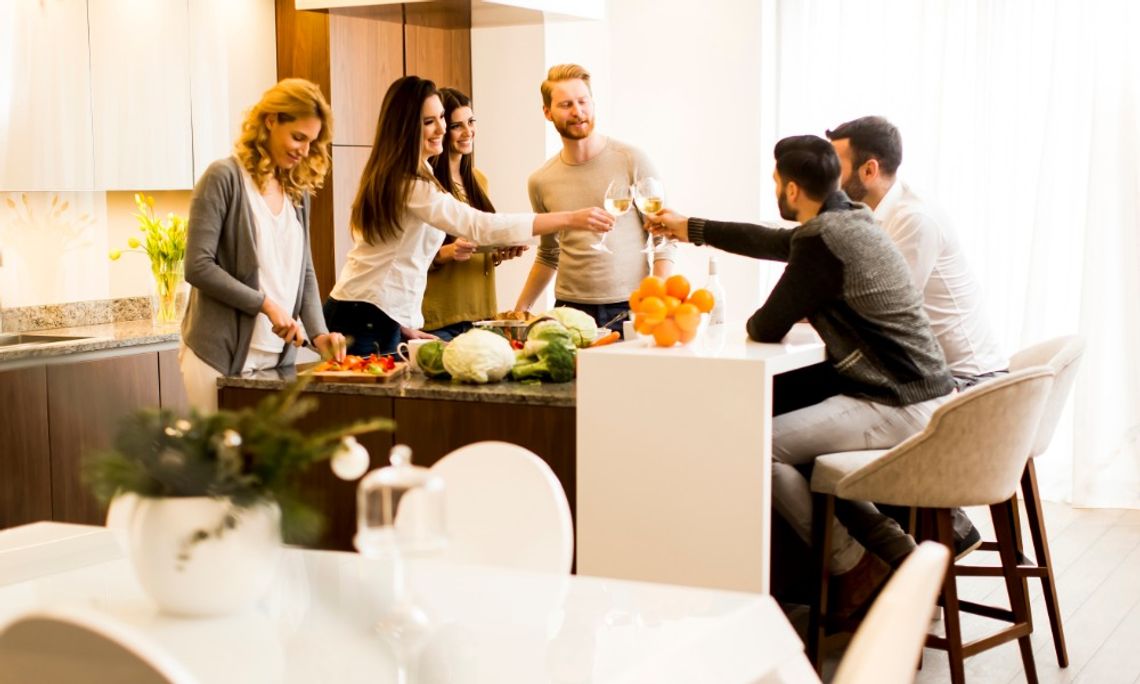
Your kitchen usually becomes the heart of a gathering whether you plan for it or not. Guests wander toward good food, conversations settle around the counter, and someone always asks if they can help. For Pelahatchie homeowners who enjoy hosting, a kitchen should make those moments easier. Smart design creates room to cook and spend time together.
Creating a kitchen that works for entertaining doesn’t require endless square footage or a complete luxury remodel. The goal is to make better use of the space you already have. Clear movement and practical features can completely change how a gathering feels. Every decision should help the host stay connected with their guests.
Create a Layout That Keeps Everyone Moving
Good entertaining starts with a kitchen layout that prevents guests and cooks from competing for the same floor space. Think about the paths people take between the sink, refrigerator, oven, and gathering areas. This way, guests can reach refreshments without entering the busiest cooking zone and interrupting your cooking time.
An open floor plan can support this flow, but homeowners can also improve traditional kitchens. Removing unnecessary obstacles or repositioning furniture may open valuable walking space. Even a small kitchen feels more comfortable when people have obvious routes through it.
Pay attention to door swings, appliance doors, and cabinet access when evaluating the room. A refrigerator door that blocks a walkway can become frustrating when several people gather nearby. The same problem happens when stools crowd an important cabinet. Small layout details often determine whether a kitchen feels spacious or surprisingly cramped.
Give Guests Their Own Gathering Zone
Guests naturally want to stay close to whoever prepares the meal. Instead of fighting that tendency, create a comfortable place for them to gather. A kitchen island can provide seating while creating separation from active preparation areas. A peninsula can accomplish a similar goal when an island would overwhelm the room.
Make sure seating leaves enough room for people to walk comfortably behind occupied stools. Guests should not need to stand every time someone passes through the kitchen. Proper spacing also makes the room feel more relaxed during larger gatherings. Comfort matters just as much as fitting another seat around the counter.
The gathering zone can also become a casual serving area before dinner. Place appetizers there while keeping the primary preparation surface available for cooking. Guests can help themselves without reaching around cutting boards or hot pans. That simple division makes the kitchen easier for everyone to navigate.
Choose Appliances That Match Your Hosting Style
Appliances should support how your household actually entertains, not just look impressive. Think about the meals you prepare and how many people you typically host. Frequent family dinners may place greater demands on cooking capacity. Casual gatherings might make refrigeration and convenient reheating more important.
Homeowners who prepare several dishes simultaneously may appreciate the benefits of upgrading to a built-in wall oven. A wall oven can place food at a comfortable working height while opening new possibilities for the kitchen layout. Pairing one with a separate cooktop can also divide cooking tasks between multiple people. That flexibility helps when several dishes need attention at once.
Placement matters almost as much as appliance capacity. Keep major appliances accessible, but don't let open doors block important walkways. Leave useful landing space near ovens and refrigerators for hot pans or groceries. These details help the kitchen function smoothly when activity increases.
Organize Storage Around Entertaining
Frequent hosts usually own more than everyday plates and cookware. Serving platters, pitchers, table linens, and specialty dishes all need convenient storage. When these pieces hide in awkward cabinets, preparing for guests becomes unnecessarily frustrating. An island can also provide valuable storage for entertaining supplies. Accessible storage reduces the need to search through several cabinets during meal preparation.
A practical entertaining kitchen may include dedicated storage for:
- Serving platters and large bowls
- Extra glasses and everyday drinkware
- Serving utensils and trivets
- Table linens and placemats
- Containers for sending leftovers home
Don't fill every cabinet just because storage space exists. Keeping some room available makes it easier to accommodate new cookware or serving pieces later.
Use Lighting to Change the Mood
A kitchen needs bright lighting while you chop vegetables, read recipes, and handle hot cookware. That same brightness can feel harsh once everyone settles in for dinner. Layered lighting gives homeowners greater control over the atmosphere. Different fixtures can support different activities throughout the evening.
Pendant lights can brighten an island while helping define it as a gathering area. Under-cabinet fixtures provide useful task lighting without relying entirely on overhead fixtures. Dimmers allow homeowners to lower the intensity after cooking ends. These adjustments can make the room feel warmer without changing its physical layout.
Natural light also deserves attention during daytime gatherings. Avoid window treatments that unnecessarily block sunlight from entering the kitchen. A bright room can feel larger and more inviting when friends arrive for lunch. After sunset, thoughtful fixtures can continue that welcoming feeling.
Select Surfaces That Handle Real Life
Entertaining brings plenty of foot traffic and messes. Your kitchen surfaces should handle those realities without demanding constant attention. Durable countertops make food preparation easier and simplify cleanup afterward. Practical flooring can also withstand repeated gatherings while maintaining its appearance.
Consider maintenance before choosing materials based solely on a showroom sample. Some surfaces require regular sealing or special cleaning products to maintain their condition. Others provide simpler care for households that use their kitchens heavily. Choose materials that match the amount of maintenance you realistically want to perform.
Make Cleanup Part of the Design
A kitchen can perform beautifully during dinner and still create a major headache once everyone leaves. Planning for cleanup makes entertaining easier throughout the whole event. Place trash and recycling where everyone can easily reach them, and keep cleaning products close by but out of sight.
Dishwasher placement also affects how quickly the kitchen returns to normal. An open dishwasher door should not completely block a major walkway. Nearby storage for plates and utensils can shorten the unloading process later. Practical organization turns cleanup into a manageable task instead of a late-night marathon.
Guests sometimes want to help clean, which makes an intuitive layout even more useful. When storage locations make sense, helpers can contribute without asking where everything belongs.
Design for the Way You Actually Entertain
The best kitchen reflects the people who use it, not every current design trend. Some Pelahatchie families may host large holiday meals, while others prefer backyard cookouts or casual game nights. Those different habits require different priorities. Start with the experiences you want the kitchen to support.
When you design a kitchen to entertain friends and family, consider where everyone gathers and what causes frustration during current get-togethers. Maybe everyone crowds the refrigerator, or serving dishes take up every available counter. Solving those recurring problems can deliver more value than adding flashy features.
A functional kitchen should make hosting feel easier from the moment guests arrive. When every feature supports real household habits, the kitchen feels comfortable even when the guest list grows. That leaves more time for good food and conversation with the people who matter.
Comment
Comments