
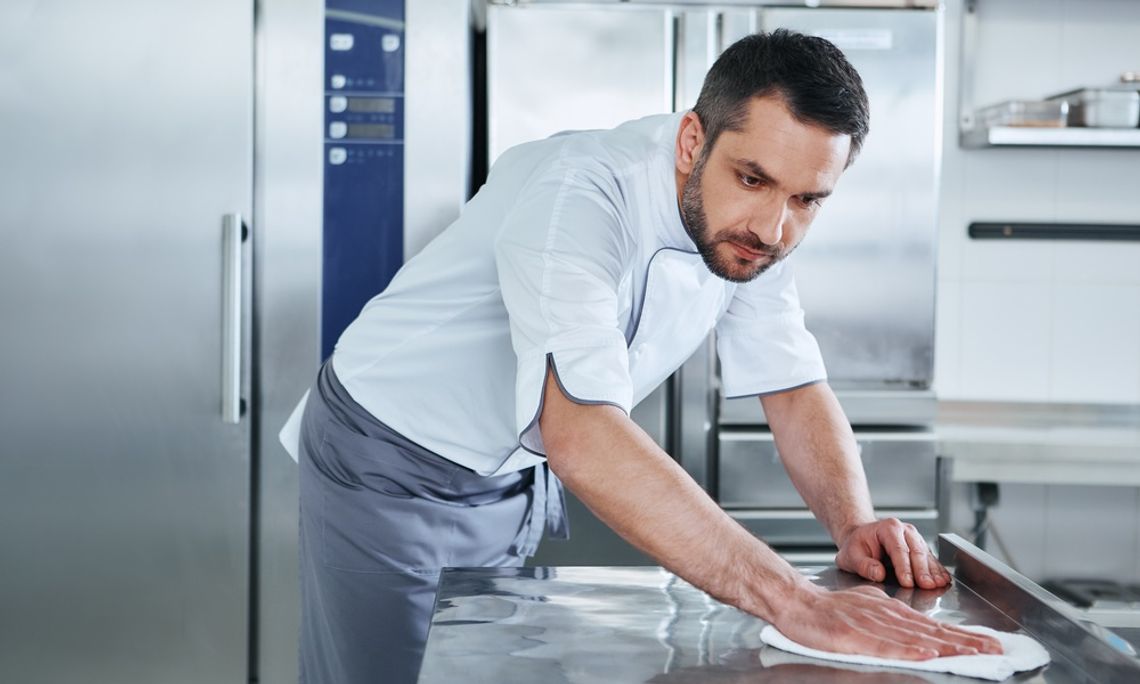
A clean commercial kitchen supports safe food preparation, efficient service, and a professional workplace. Busy kitchens create grease, food residue, spills, and waste throughout every shift, so employees cannot treat cleaning as an occasional project. The best practices for commercial kitchen cleaning establish clear routines that help employees control buildup before it becomes difficult to manage. A thoughtful cleaning approach also protects equipment, reduces avoidable hazards, and helps the entire kitchen operate more smoothly during demanding service periods.
Build Cleaning Into Daily Operations
Effective kitchen cleaning begins with routines that fit naturally into the workday. Employees should address spills and food debris as they appear rather than waiting until closing time. Immediate attention keeps floors safer and prevents residue from drying onto counters or equipment.
Managers should assign cleaning responsibilities according to each employee's work area. Clear expectations prevent employees from overlooking important surfaces because everyone assumed someone else would handle them. Staff members can clean their stations between tasks when food safety procedures allow. This approach keeps sanitation connected to normal kitchen operations instead of separating it from everyday work.
Clean Food-Contact Surfaces Carefully
Preparation tables, cutting surfaces, and other food-contact areas require consistent attention. Employees should remove visible debris before washing surfaces with an appropriate cleaner. They can then sanitize the area according to the product instructions and allow enough contact time for the sanitizer to work properly.
Cleaning cloths and tools also need proper handling. A dirty cloth can spread grease or food residue across surfaces instead of removing it. Kitchens should replace or clean reusable materials frequently and store them correctly between uses. Employees should also avoid using the same cleaning tools for food-contact surfaces and dirtier areas, such as floors.
Pay Attention To Cooking Equipment
Cooking equipment collects grease and food residue quickly, especially during high-volume service. Staff should wipe accessible surfaces after equipment cools and follow manufacturer recommendations for deeper cleaning. Regular attention can prevent heavy buildup that takes much longer to remove later.
Different appliances require different methods, so employees should avoid treating every piece of equipment the same way. Managers should keep cleaning instructions accessible and train staff on safe procedures. Correct methods help maintain cleanliness while protecting expensive kitchen equipment from unnecessary wear.
Control Grease Around Hoods and Ducts
Ventilation systems remove heat and grease-laden vapors from busy cooking areas, which means grease can accumulate on hood components over time. Staff can clean accessible hood surfaces and filters according to established procedures, while trained professionals may need to handle areas deeper within the exhaust system.
Managers should understand kitchen hood duct cleaning requirements because cleaning needs can vary with cooking volume and equipment use. A kitchen that produces large amounts of grease may require more frequent professional attention than a lower-volume operation.
Keep Floors Clean Throughout the Shift
Commercial kitchen floors face constant exposure to crumbs, grease, water, and dropped ingredients. Waiting until closing to address every mess can create slippery conditions during service. Employees should clean spills promptly and use signs or other precautions when an area remains wet.
At closing, staff should move accessible items when practical so they can reach hidden debris. Sweeping or collecting loose material before washing the floor prevents food particles from turning into a messy residue. Employees should use cleaning products suited to the flooring material and follow proper dilution instructions to avoid leaving a slippery film.
Remember Walls and Hard-To-Reach Areas
Visible counters often receive the most attention, but grease and dust can collect on walls, shelving, corners, and spaces behind equipment. These areas may not need the same cleaning frequency as preparation surfaces, yet they should still appear on a regular schedule.
Instead of trying to clean every difficult area in one exhausting session, managers can divide tasks across the week or month. Employees can then focus on a defined section and complete the work thoroughly without interfering with essential daily cleaning responsibilities.
Maintain Refrigeration and Storage Areas
Refrigerators and dry-storage spaces stay cleaner when employees address spills quickly and remove expired or damaged products. Shelves should remain free from crumbs and sticky residue, while containers should stay closed and organized. Clean storage conditions make it easier for staff to notice leaks or other problems.
Employees should clean refrigerator interiors with methods appropriate for food storage areas. They should also inspect door seals and accessible surfaces where grime can accumulate. In dry storage, keeping products off the floor improves access for cleaning and makes it easier to maintain orderly spaces around stored ingredients.
Handle Waste Before It Becomes a Problem
Trash can quickly create unpleasant odors and attract pests when employees allow containers to overflow. Staff should empty waste bins regularly and clean the containers when leaks or residue appear. Liners can simplify disposal, but they do not eliminate the need to wash dirty bins.
Moving containers during routine cleaning gives employees access to these hidden messes. Outdoor waste areas should also remain orderly so discarded food does not create sanitation concerns near the building.
Use a Structured Deep-Cleaning Schedule
Daily cleaning handles immediate messes, while scheduled deep cleaning targets buildup that develops gradually. Managers can create a written calendar for equipment, storage areas, ventilation components, and less accessible surfaces. Assigning each task to a specific role makes accountability clearer.
The schedule should reflect how heavily employees use each area rather than applying the same frequency everywhere. Managers can adjust routines when they notice recurring grease, residue, or sanitation issues. Reviewing completed tasks also helps identify gaps before they become larger problems.
Train Employees on Proper Cleaning Methods
A cleaning plan only works when employees understand how to carry it out. Training should explain which products belong on specific surfaces and how to use them safely. Staff also need to know when equipment must cool, shut down, or receive other preparation before cleaning begins.
Managers can reinforce expectations by demonstrating procedures and checking completed work. New employees should receive cleaning instruction as part of their kitchen training rather than learning solely through observation. Refresher guidance can correct shortcuts that develop over time and help the team maintain consistent standards across different shifts.
Create a Cleaner, More Efficient Kitchen
Following the best practices for commercial kitchen cleaning turns sanitation into an ongoing part of kitchen management rather than a last-minute chore. Clear responsibilities and appropriate cleaning methods help teams stay ahead of grease, spills, and food residue while protecting important equipment. When cleaning is part of daily routines, kitchens stay organized, efficient, and ready for service.
Comment
Comments