
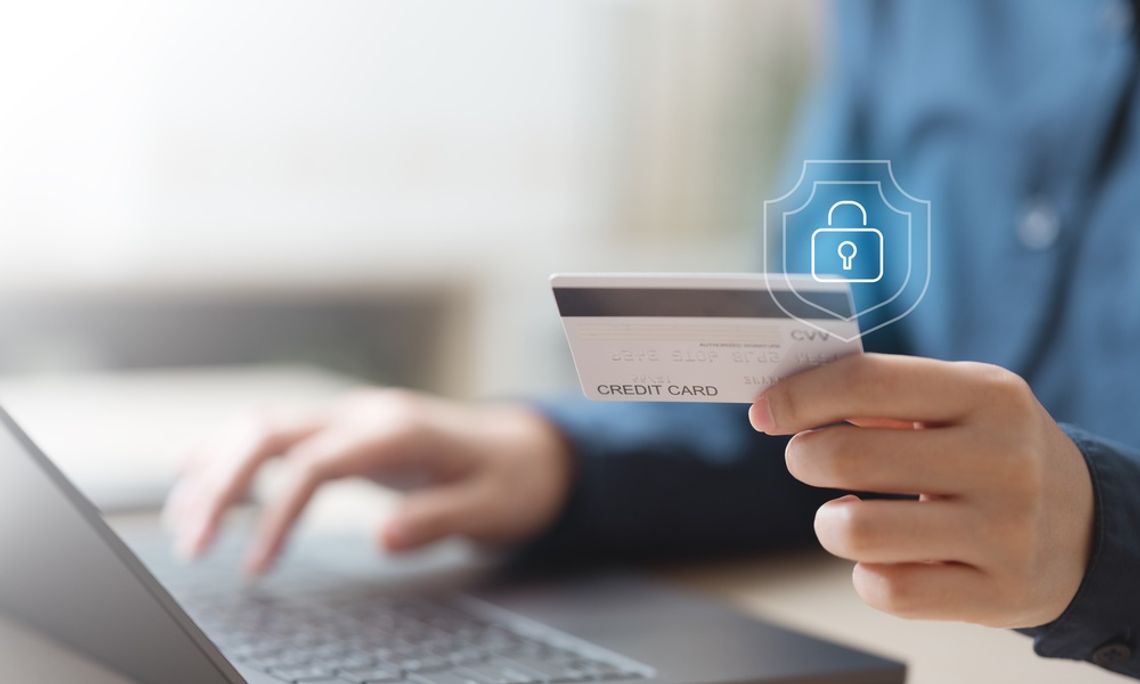
Financial fraud can affect anyone, and modern scams often look convincing enough to fool even careful consumers. Criminals may impersonate trusted companies, create urgent payment requests, or steal personal information to access accounts. Understanding how to protect yourself from financial fraud helps you recognize warning signs before a scam causes lasting financial damage. With thoughtful habits and consistent account security, you can reduce your exposure while responding more confidently when something seems suspicious.
Protect Your Personal Information
Personal information gives criminals opportunities to impersonate you, open accounts, or gain access to money. Treat Social Security numbers, bank account details, and login credentials as sensitive information. Avoid sharing these details unless you initiated the interaction and know why the recipient needs them.
Unexpected requests deserve extra scrutiny. A caller may claim to represent your bank and ask you to confirm an account number. Instead of providing information, end the conversation and contact the institution through a trusted phone number. Taking control of the communication helps you avoid convincing impersonation attempts.
Create Strong, Unique Passwords
Reusing passwords can turn one compromised account into a much larger security problem. Create a different password for each financial account so that stolen credentials cannot unlock several services. Long passphrases can make passwords easier to remember while remaining difficult for unauthorized users to guess.
A reputable password manager can help you organize unique credentials without relying on memory. Never send passwords through email or text, even if a request appears to come from someone familiar. Legitimate financial institutions should not need your complete password to provide customer support.
Enable Multifactor Authentication
Multifactor authentication adds another verification step after you enter your password. Depending on the account, you might approve a login through an application or provide a temporary security code. This additional barrier can stop an intruder who has already obtained your password.
Turn on this feature for banking, investment, and payment accounts whenever possible. Never approve an authentication request that you did not initiate. An unexpected prompt may indicate that someone has your login credentials, so change your password promptly and review recent account activity.
Recognize Phishing Messages
Phishing scams use deceptive emails or text messages to persuade people to reveal information. Fraudsters often imitate banks, delivery services, or familiar businesses. They may claim that an account has been suspended or that immediate action is necessary to prevent a financial penalty.
Urgency should encourage caution rather than a quick response. Examine the sender carefully and avoid opening unexpected attachments. Instead of following a questionable link, navigate directly to the company's official website or application. You can then check for legitimate notifications without entering information into a potentially fraudulent page.
Monitor Financial Accounts Regularly
Reviewing account activity can help you identify unauthorized transactions before additional charges appear. Check bank accounts and credit cards frequently instead of relying only on monthly statements. Even a small unfamiliar purchase deserves attention because it may indicate that someone has obtained your payment information.
Account alerts can make monitoring easier. Many financial institutions allow customers to receive notifications when purchases or transfers occur. If an alert shows activity you do not recognize, contact the institution promptly using a trusted communication channel.
Dispose of Financial Documents Securely
Paper records can expose information just as easily as poorly protected digital accounts. Old statements, tax paperwork, and financial correspondence may contain account numbers or other identifying details. Keep necessary records somewhere secure and avoid leaving sensitive paperwork where unauthorized people can easily access it.
When you no longer need financial documents, destroy them before throwing them away. Shredding helps protect your financial information by making sensitive details difficult to recover from discarded paperwork. Never place readable documents containing account numbers or other personal information directly in the trash or recycling bin.
Question Unexpected Payment Requests
Scammers frequently pressure victims to send money before they have time to think. A fraudulent request might involve an unpaid bill, an emergency involving someone you know, or a supposed prize. The details vary, but pressure and unusual payment instructions often signal trouble.
Do not let urgency prevent verification. Contact the person or organization independently using information you already trust. Be especially cautious if someone insists that you cannot discuss the request with another person. Taking a few minutes to verify a story can prevent an irreversible financial decision.
Secure Your Devices
Phones and computers often provide direct access to financial accounts, making device security essential. Install software updates promptly because updates can address vulnerabilities that criminals might exploit. Protect each device with a strong passcode and configure it to lock automatically when you stop using it.
Limit Personal Details Online
Fraudsters can use publicly available information to make scams more believable. Social media may reveal where you work, when you travel, or which businesses you use. A criminal can incorporate those details into a message that appears unusually personal and trustworthy.
Review privacy settings and think carefully before posting information that could help someone impersonate you. Security question answers deserve similar protection. Avoid using information that strangers could easily find through public profiles or online searches.
Review Your Credit Information
Credit activity can reveal fraud that does not appear in your everyday bank accounts. An unfamiliar account or inquiry may indicate that someone attempted to use your identity. Periodic reviews give you an opportunity to identify suspicious changes and investigate them before the problem grows.
If you notice information you do not recognize, contact the relevant organization and follow its dispute process. Additional credit protections may also be appropriate after identity theft. Continue watching your financial records afterward because stolen personal information can remain useful to criminals.
Act Quickly After Suspected Fraud
If you notice suspicious activity, contact the affected financial institution immediately. Explain what happened and follow its instructions for securing the account. Change compromised passwords and review other accounts that might contain similar login information.
Save relevant messages and records associated with the incident. Clear documentation can make it easier to explain what happened when reporting unauthorized transactions. Continue monitoring your accounts closely for additional activity, since one fraudulent transaction may not be the only attempt.
Build Strong Financial Security Habits
Fraud prevention works best when security becomes part of your normal financial routine. Learning how to protect yourself from financial fraud gives you practical ways to evaluate unexpected requests and keep sensitive information away from criminals. Regularly reviewing your accounts, protecting your login credentials, and verifying unusual communications can reduce unnecessary risk. Consistent caution helps you spot problems sooner and maintain greater control over your money across your most important financial accounts.
Comment
Comments