
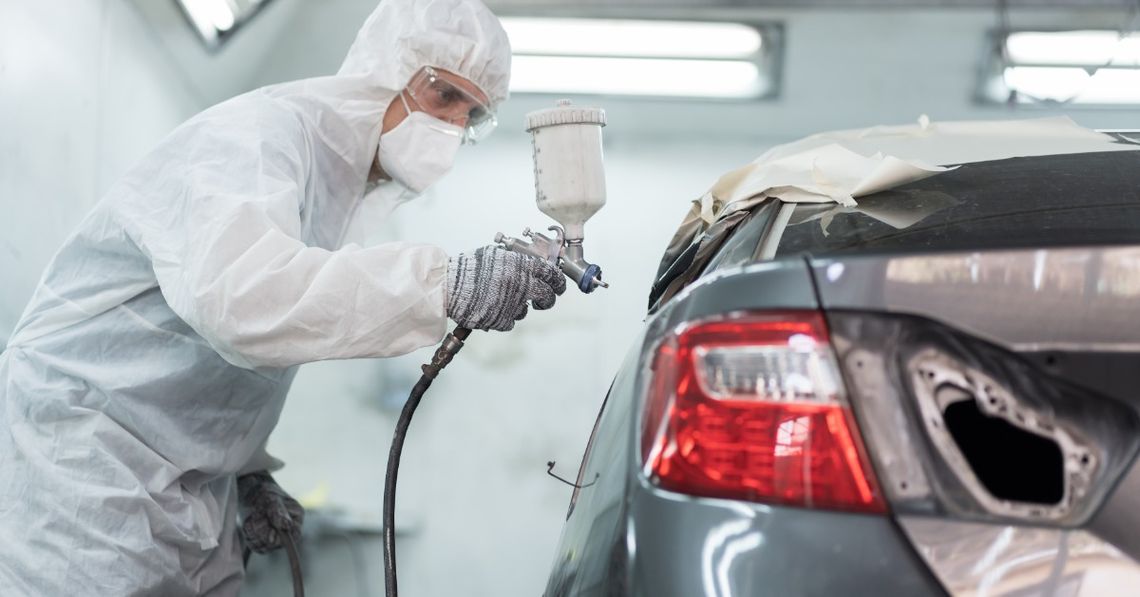
Fresh paint gets all the attention when a car leaves the body shop. You notice the shine first, especially when an older panel suddenly looks new again. Still, most of the work behind a good repaint happens long before anyone sprays color.
If you have ever wondered what happens before a car gets a fresh repaint, the process starts with finding every flaw underneath the old finish. For drivers around Pelahatchie, careful prep matters even more since Mississippi sun and humid weather put plenty of stress on automotive paint.
The Shop Starts With a Close Look at the Paint
Before sanding begins, a technician needs to assess the surface condition. Some cars arrive with faded clear coat or scratches that cut into the color underneath.
The technician also looks for signs of previous bodywork. Old repairs sometimes hide beneath layers of paint, and those areas might need extra attention before the new finish goes on.
This first inspection shapes the rest of the job. If the existing paint still bonds well to the body, the shop might keep much of it and prepare the surface for new coatings. If the finish has started peeling, the crew needs to remove more material before moving forward.
A Thorough Wash Removes More Than Dirt
Next, the shop cleans the body before anyone starts sanding. You might wonder why washing matters if the crew plans to cover the surface anyway. The answer comes down to contamination. Road film leaves oily residue behind. Wax creates another barrier between the old finish and whatever comes next.
A good wash gives technicians a cleaner surface to work with. From there, they usually follow with a dedicated surface cleaner that removes residue ordinary soap might leave behind.
This step is especially important in Mississippi, where cars spend plenty of time around pollen and road grime. If those contaminants stay on the body, they might interfere with the finish later.
Trim Comes Off When It Gets in the Way
Once the car is clean, the crew decides which exterior pieces to remove. Removing trim takes extra time, but painting around every piece rarely gives you the cleanest result. Door handles sometimes come off when the job calls for a more complete finish. Badges might come off too, especially if paint needs to reach the panel underneath them.
Good Prep Reaches the Edges
This part of the process separates a careful repaint from a rushed one. If a shop paints right up to a piece of trim, you might notice a hard paint edge when you look closely. Removing the part lets the technician work more naturally into the surrounding area. The shop needs enough access to prepare the surface properly before fresh color ever reaches the car.
Dents and Chips Need Attention First
Fresh paint does not hide body damage. In many cases, a glossy finish makes small dents easier to notice because reflections show every change in the panel, so technicians address those flaws before worrying about color. They repair dents where practical and smooth damaged areas until the panel returns to the correct shape.
Before the repaint moves ahead, technicians inspect areas such as:
- Hood edges with stone chips
- Door panels with parking-lot dents
- Fenders with old scratches
- Lower panels with road damage
- Previous repair areas that feel uneven
Taking care of those flaws now helps the finished surface look smooth instead of freshly colored over old problems.
Sanding Gives New Paint Something To Hold Onto
Sanding takes up a large part of paint preparation because new coatings need the right surface underneath them.
Technicians do not simply attack the body with rough sandpaper. They choose abrasives based on what the panel needs. A damaged section might require more aggressive sanding at first, while a sound painted surface needs a much finer approach.
As the work progresses, the technician blends repaired areas into the surrounding panel. The goal is to remove sharp transitions that would show through the final finish.
If you run your hand across a properly prepared panel, the surface should feel consistent. Any ridge you feel now has a good chance of becoming visible once glossy paint starts reflecting light.
Rust Has To Go Before Paint Covers the Area
Rust creates a bigger problem than a faded finish. Painting directly over corrosion only hides it for a while. Technicians first determine how far the rust has traveled. Light surface corrosion might affect only the top layer of metal. Deeper rust requires more repair because the metal itself has started breaking down.
The shop removes corrosion until solid material remains. From there, the technician treats and prepares the exposed area before moving on to primer.
Primer Creates a Better Starting Surface
After repairs and sanding, some areas need primer before the color stage begins. It helps create a uniform surface over repaired spots or bare metal. Technicians also use primer to reveal imperfections they might have missed earlier. Once the primer dries, they sand it again and watch for low spots or rough edges.
This is one of those stages customers rarely see, yet it can become very obvious in the results. Glossy paint reflects light clearly, so even a shallow wave in the panel can show up outdoors.
Masking Keeps Paint Where It Belongs
Eventually, the crew reaches the point where surrounding surfaces need protection. Windows and other areas that stay unpainted require careful coverage before spraying begins.
Understanding the role of masking in automotive coating helps explain why this step takes more thought than taping newspaper around a window. The technician needs clean boundaries without creating awkward paint edges.
Good masking also protects openings from overspray. Even a fine mist of automotive coating leaves a rough feel when it lands where it does not belong.
Great Paint Starts Long Before the Spray Gun
A shiny finish might make the biggest first impression, but preparation decides whether that finish looks good months and years later. When you see what happens before a car gets a fresh repaint, you start to understand why body shops spend so much time on work that disappears beneath the final color.
For drivers around Pelahatchie, careful prep also helps deal with the wear that comes from regular Mississippi driving. The best-looking part of the job might come at the end, but the quality starts much earlier.
Comment
Comments