
Industrial components operate under conditions that wear surfaces and reduce performance. Choosing a protective coating can extend component life in demanding environments. Understanding when to use tungsten carbide coatings starts with evaluating the type of wear a component faces and its operating conditions. Tungsten carbide coatings provide hardness and wear resistance, making them valuable for parts exposed to abrasion or erosion. Engineers should consider the component material, service environment, temperature range, and coating process before deciding whether tungsten carbide offers the right protection.
What Makes Tungsten Carbide Coatings Different?
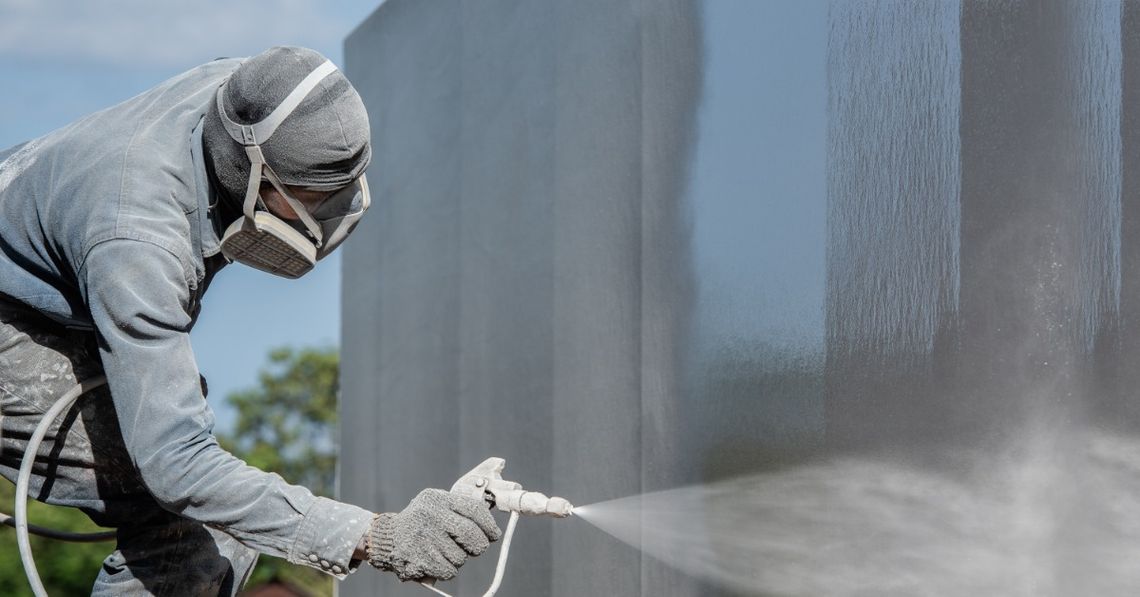
Tungsten carbide combines carbide particles with a metallic binder that holds the coating together. Thermal spray processes apply this material to a component’s surface, creating a dense protective layer. The finished coating can resist wear without requiring manufacturers to produce the component from an expensive wear-resistant material.
This approach allows companies to retain the useful properties of the base component while strengthening the surface where damage occurs. A steel part, for instance, can maintain its structural characteristics while gaining a harder exterior. Manufacturers can also finish the coating after application to achieve the surface texture or dimensional requirements that the equipment demands.
Use Coatings When Abrasive Wear Threatens Components
Abrasive wear occurs when hard particles or rough surfaces repeatedly move against a component. Over time, this contact can remove material, alter dimensions, and reduce operating efficiency. Components that handle powders, minerals, slurries, or other abrasive materials often face this type of damage.
Tungsten carbide works especially well in these environments because its hard surface resists scratching and material loss. Pump components, sleeves, and processing equipment can benefit when abrasion would otherwise shorten their useful lives. Applying a coating to vulnerable areas may also allow maintenance teams to protect costly parts without changing the entire equipment design.
Consider Tungsten Carbide for Erosive Conditions
Erosion differs from conventional abrasion because moving particles or droplets repeatedly strike a surface. High-velocity material flow can gradually remove small amounts of the component, eventually changing its shape or reducing its ability to function properly.
A tungsten carbide coating can create a durable barrier between that flow and the underlying material. This protection can prove useful on components used in fluid-handling equipment or industrial processing systems where particles continually impact exposed surfaces. The coating becomes especially valuable when maintaining precise component dimensions affects equipment performance.
Protect Parts Exposed To Sliding Wear
Repeated contact between moving surfaces can produce sliding wear. Shafts, bearing areas, seal surfaces, and similar components may experience friction that gradually damages their working surfaces. A hard coating can reduce the rate at which this contact removes material.
The benefits of tungsten carbide coatings become particularly relevant when a component needs a hard, wear-resistant surface while retaining the properties of its original substrate. Proper finishing can also produce a smooth surface suited to certain sealing or sliding applications. Engineers must still evaluate lubrication, mating materials, and contact conditions before selecting the coating.
Evaluate the Operating Temperature
Temperature plays an important role in coating selection because tungsten carbide systems have practical thermal limits. Excessive heat can change the coating’s binder or promote reactions that reduce carbide performance. A coating that performs exceptionally well at moderate temperatures may therefore offer less protection in a much hotter environment.
Engineers should compare expected service temperatures with the specifications of the proposed coating system. Applications that routinely experience extreme heat may require a different carbide formulation or another coating material entirely. Considering temperature before application helps prevent premature coating degradation and ensures the selected surface treatment matches actual operating conditions.
Account for Corrosive Service Environments
Wear and corrosion can occur at the same time, creating a more complicated surface problem. Some tungsten carbide coating systems use binders designed to provide greater corrosion resistance than others. Selecting the proper formulation matters when equipment encounters moisture, chemicals, or aggressive process fluids.
Teams should identify the substances that will contact the coated surface and evaluate how the coating system responds to them. A formulation that excels in a dry abrasive environment may not provide the same performance in corrosive service. Matching the binder and carbide composition to the operating environment helps create more dependable protection.
Consider the Substrate Before Application
A coating performs only as well as its bond with the underlying component. The substrate must tolerate surface preparation and the thermal spray process without suffering harmful distortion or other damage. Its geometry should also provide suitable access for coating equipment.
Before specifying tungsten carbide, engineers should examine the base material and component design. Thin sections or difficult internal surfaces may create application challenges. Proper preparation also matters because contamination or inadequate surface conditioning can weaken adhesion. Working with an experienced coating provider helps determine whether the component can accept the coating successfully.
Think About Surface Finish Requirements
A freshly applied tungsten carbide coating may not have the final texture or dimensional accuracy that a component needs. Many applications require grinding, polishing, or another finishing process after spraying. These steps can create precise dimensions and a surface suited to the component’s function.
Designers should include finishing requirements when evaluating coating cost and feasibility. A highly polished seal surface requires different post-coating work than a component whose primary purpose involves resisting abrasive particles. Defining the desired finish early allows the coating provider to select appropriate application thickness and finishing methods.
Recognize When Another Coating Makes More Sense
Tungsten carbide offers impressive wear resistance, but choosing it automatically can lead to unnecessary cost or poor performance. Components primarily exposed to extreme heat may need a material developed for high-temperature service. Other applications may require stronger chemical resistance or different friction characteristics.
The best coating choice comes from identifying the dominant damage mechanism rather than selecting the hardest available material. Engineers should evaluate how the component fails, where the damage appears, and what operating conditions cause it. This approach helps match the surface treatment to the actual problem and avoids using tungsten carbide where another solution would perform better.
Selecting Tungsten Carbide With Purpose
Effective coating decisions begin with an understanding of the component’s working environment and failure mechanism. Understanding when to use tungsten carbide coatings means recognizing applications where hardness and wear resistance can address surface damage without compromising other performance requirements. Abrasive service, erosive exposure, or repeated sliding contact may make tungsten carbide a strong candidate when the substrate and temperature conditions support its use. Careful evaluation also helps teams determine when corrosion concerns or application constraints point toward another material. Matching the coating system to the operating challenge can protect valuable components and reduce avoidable wear.
Comment
Comments