
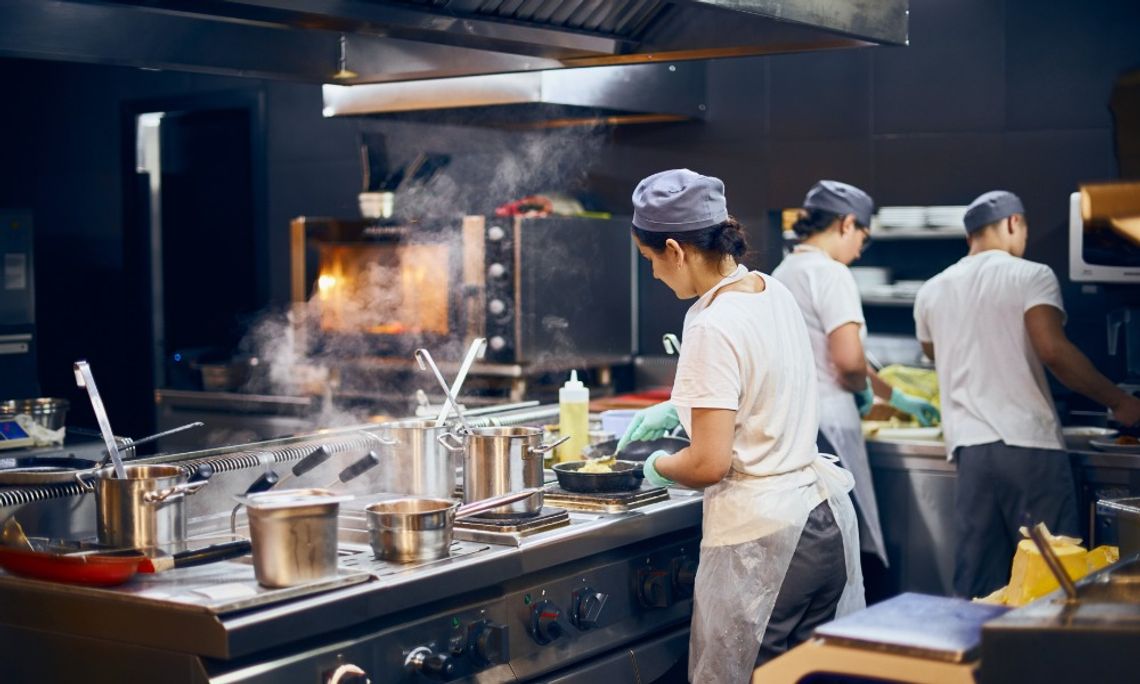
Running a restaurant means paying attention to the problems that your customers may never notice. Kitchen ventilation belongs near the top of that list because a busy cookline produces heat, smoke, and grease-laden vapors throughout service. When your exhaust system doesn’t perform as intended, those conditions can affect the kitchen and allow grease to accumulate where you don’t want it.
For Pelahatchie restaurant owners, consistent ventilation can help create a safer commercial kitchen. These kitchen ventilation tips for restaurant owners focus on practical habits you can incorporate into routine operations.
Keep the Hood Area Clean
Your ventilation system works directly above equipment that can produce grease-laden vapors. As you cook throughout the day, grease can collect on accessible surfaces around the hood and cooking area. Regular housekeeping helps you keep those surfaces from developing heavy grease accumulation.
Pay particular attention to changes between cleanings rather than relying only on a fixed routine. If one station creates more grease than another, you may need to check that area more frequently.
Pay Attention to Airflow
You spend enough time around your cookline to recognize when something changes. Smoke that lingers longer than usual or begins entering the kitchen can signal that the ventilation system isn’t moving air as intended. Treat those changes as a reason to investigate rather than accepting them as part of a busy shift. Proper airflow matters because commercial cooking equipment that produces smoke or grease-laden vapors relies on exhaust ventilation to manage those conditions.
Watch During Peak Service
Your busiest periods can reveal ventilation problems that are less obvious during prep. When several pieces of cooking equipment operate at once, watch where smoke travels and whether the hood captures it effectively.
Ask employees to report unusual smoke movement instead of working around it. Someone stationed at the cookline may notice a change earlier than you do, especially if you’re moving between the kitchen and dining room.
Check Filters Consistently
Grease filters help capture grease before it travels farther into the kitchen exhaust system. For proper filtration, each filter needs to fit securely without gaps that allow air to move around it instead of passing through it. Check the filter placement regularly so you can address loose, damaged, or poorly fitted components that may reduce filtration effectiveness.
Make filter checks part of your kitchen routine rather than waiting for an obvious ventilation problem. Depending on your system, commercial filter pads may provide a disposable filtration option in various dimensions for compatible commercial kitchen applications. Whatever filtration setup you use, make sure each component fits and functions as intended.
Keep the Cookline Orderly
Your ventilation system doesn’t operate separately from the rest of the kitchen. Changes around the cookline can affect the conditions under the hood, so you should consider ventilation whenever you adjust equipment placement or kitchen operations.
When you change your cookline arrangement, consider whether the existing exhaust setup still matches the location and use of your cooking equipment. A qualified professional can inspect the installation after significant changes and identify whether the new arrangement affects ventilation performance. Taking that step helps you address potential concerns rather than assuming the existing setup will work the same way.
Know Your Warning Signs
You don’t need to diagnose a mechanical problem yourself to recognize that something isn’t right. Your daily experience in the kitchen gives you a useful baseline for spotting unusual conditions.
Some warning signs that deserve prompt attention include:
- Smoke that begins rolling back into the kitchen
- Grease that accumulates unusually quickly in accessible areas
- Exhaust systems that don’t seem to capture cooking vapors effectively
- A clear change in ventilation performance
Once you notice a recurring problem, don’t assume additional surface cleaning will solve it. A qualified professional can evaluate areas of the system you can’t see during everyday kitchen work.
Schedule Qualified Inspections
Daily observation can tell you a great deal, but you can’t see the entire exhaust pathway from the cookline. Grease can collect inside parts of the system that require professional access, which makes qualified inspection an important part of ventilation care.
Restaurant owners should take responsibility for keeping their kitchen exhaust systems properly inspected, maintained, and clean. Because grease can accumulate in areas you can’t safely access or evaluate during daily operations, qualified professionals should handle full exhaust system inspections.
Local requirements and cooking activity can influence your maintenance needs, so work with professionals who understand commercial kitchen exhaust systems and can identify areas that need attention.
Follow Up on Findings
An inspection provides more value when you understand what the professional found. Ask which areas showed accumulation and whether any components require attention. That information can help you make better maintenance decisions between professional visits.
Keep service documentation somewhere you can access easily. When you can review previous findings, you’ll have useful context for future inspections and any changes you notice during daily operations.
Clean Accessible Areas Regularly
Professional service doesn’t replace the cleaning your staff can safely perform as part of normal operations. You should keep accessible cooking areas free of grease and address residue before it becomes heavy accumulation.
Set clear expectations for the areas employees can clean safely and leave internal exhaust cleaning to qualified personnel. Commercial exhaust cleaning can require specialized protective gear and lockout/tagout procedures.
Make Ventilation a Team Priority
Your ventilation routine becomes easier to maintain when employees understand what deserves attention. Staff members don’t need to become experts in exhaust systems, but they should know which changes require a manager’s attention.
Explain what normal ventilation looks like during a typical shift and encourage employees to speak up when conditions change. By making restaurant kitchen ventilation practices part of your team’s daily routine, you can catch potential concerns between scheduled service visits.
Build Safer Habits Over Time
You don’t need to wait for smoke problems or visible grease buildup to think seriously about ventilation. When you watch airflow, maintain accessible areas, and arrange qualified service when needed, you give yourself a clearer picture of what’s happening above the cookline.
For Pelahatchie restaurant owners, the next step is to look at the ventilation practices already happening in your kitchen. Identify where routine checks have become inconsistent and tighten those habits during upcoming shifts. A safer kitchen often grows from the maintenance decisions you make while everything still appears to be working normally.
Comment
Comments