
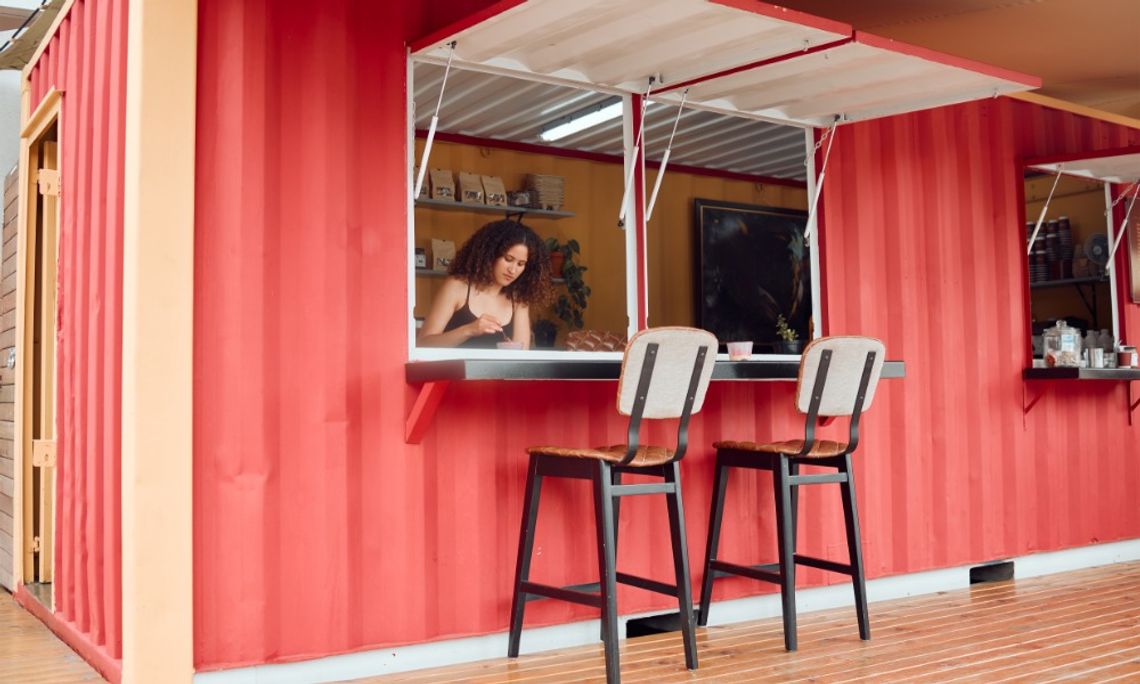
Opening a pop-up restaurant gives chefs and food entrepreneurs a flexible way to test a concept without immediately committing to a permanent dining space. However, temporary does not mean simple. Every successful pop-up requires thoughtful planning around the concept, location, kitchen setup, customer experience, and daily operations. Knowing what to consider before opening a pop-up restaurant can help you create an experience that feels intentional rather than improvised.
Define the Purpose of Your Pop-Up
A clear purpose guides nearly every decision that follows. If your goal involves testing a menu, you may prioritize a location that attracts your ideal customers. If you want to generate buzz, the atmosphere and promotional strategy may require more attention. Establishing a focused objective also gives you a meaningful way to evaluate the pop-up after it ends.
Develop a Focused Concept
A pop-up needs a recognizable identity that customers can understand quickly. Develop a concept that connects your food with the overall dining experience. Your menu, service approach, and visual presentation should support the same central idea without making the operation unnecessarily complicated.
Keep the temporary nature of the restaurant in mind as you develop your concept. An ambitious idea can generate excitement, but it still needs to work within your available space and equipment. A focused concept helps your team execute consistently while giving guests a clear reason to visit during the limited operating period.
Choose the Right Location
Location can influence visibility and shape the type of experience you can offer. Consider whether your target customers can reach the site conveniently and whether the surrounding area supports your concept. Foot traffic may benefit a casual lunch pop-up, while a destination dining experience can succeed in a less prominent location if your marketing creates enough interest.
Look beyond the address itself. Evaluate available utilities, storage capacity, ventilation, and food preparation space before making a commitment. A visually appealing venue can quickly become difficult to operate if it cannot support the practical requirements of your menu.
Plan Your Kitchen Around the Menu
Design your menu with the available kitchen environment in mind. Every dish should fit the equipment, preparation space, and service pace you can realistically maintain. Limiting unnecessary complexity can reduce bottlenecks and help your staff deliver a more consistent experience during busy periods.
Alternative spaces can also create opportunities for flexible restaurant concepts. For example, container structures are perfect for pop-up kitchens when the design provides the appropriate utilities and food-service features. A purpose-built temporary kitchen can give you more control over workflow than a venue not designed for cooking.
Understand Permits and Local Requirements
Do not assume that a venue's existing approvals automatically cover your operation. Your menu, equipment, or service model may create additional requirements. Contact the appropriate local authorities and clarify expectations before investing heavily in the space. Addressing compliance early helps prevent delays that could shorten an already limited operating window.
Build a Realistic Budget
A short-term restaurant can still involve substantial expenses. Calculate the costs associated with the venue, equipment rentals, ingredients, staffing, permits, insurance, and marketing. Account for set up and removal expenses as well, since temporary spaces often require work before opening and after the final service.
Build some flexibility into your budget for unexpected needs. A broken appliance or last-minute supply purchase can quickly affect a tightly planned operation. Understanding your financial limits also helps you make better decisions about menu pricing and service capacity without relying on unrealistic sales expectations.
Create an Efficient Staffing Plan
Your staff must learn the concept quickly because a pop-up offers little time for a long adjustment period. Hire people who can adapt to the temporary environment and clearly explain each person's responsibilities before opening. Training should cover the menu and workflow so employees understand how their roles connect during service.
Schedule enough time for a practice run before welcoming paying guests. A rehearsal can reveal awkward movement through the kitchen or confusion between front- and back-of-house staff. Fixing those problems early creates smoother service once customers arrive.
Market the Limited-Time Experience
Scarcity gives pop-up restaurants a natural promotional advantage. Customers know they have a limited opportunity to visit, so your marketing should clearly communicate when the restaurant opens and how long it will operate. Make essential details easy to find across every promotional channel you use.
Start building interest before opening day instead of waiting until the space is ready. Share the concept and provide glimpses of the menu as preparations progress. Consistent messaging can turn curiosity into reservations or walk-in traffic while helping customers understand what makes the temporary experience different from a traditional restaurant.
Prepare for the Customer Experience
Guests judge the entire experience, not only the food. Think through what customers encounter from the moment they arrive until they leave. Signage should make the entrance obvious, and the ordering process should feel intuitive. Seating arrangements should also match the style and expected pace of service.
Temporary spaces sometimes have quirks that permanent restaurants would eliminate during construction. Identify these issues beforehand and decide how to manage them without distracting guests. Thoughtful details can make an unconventional space feel purposeful rather than unfinished.
Decide How You Will Measure Success
Determine how you will evaluate the pop-up before opening. Revenue matters, but your original purpose may call for other measures. Customer feedback can show whether the concept resonates, while ordering patterns can reveal which menu items deserve a place in future plans.
Keep useful records throughout the operating period instead of relying on memory afterward. Review what worked and identify recurring operational problems. These observations can guide your next pop-up or help you refine plans for a permanent restaurant. A temporary concept becomes more valuable when you treat it as an opportunity to learn.
Turn a Temporary Restaurant Into a Valuable Opportunity
Understanding what to consider before opening a pop-up restaurant allows you to approach a temporary concept with the same care you would give a permanent establishment. Define your purpose, build an operation that fits the space, and prepare your team for the demands of a condensed schedule. Strong planning can help the restaurant feel polished from its first service while giving you practical information about customer demand and operational needs. When you use the experience to test ideas and learn from real guests, a short-lived restaurant can create benefits that continue long after you serve the final meal.
Comment
Comments