
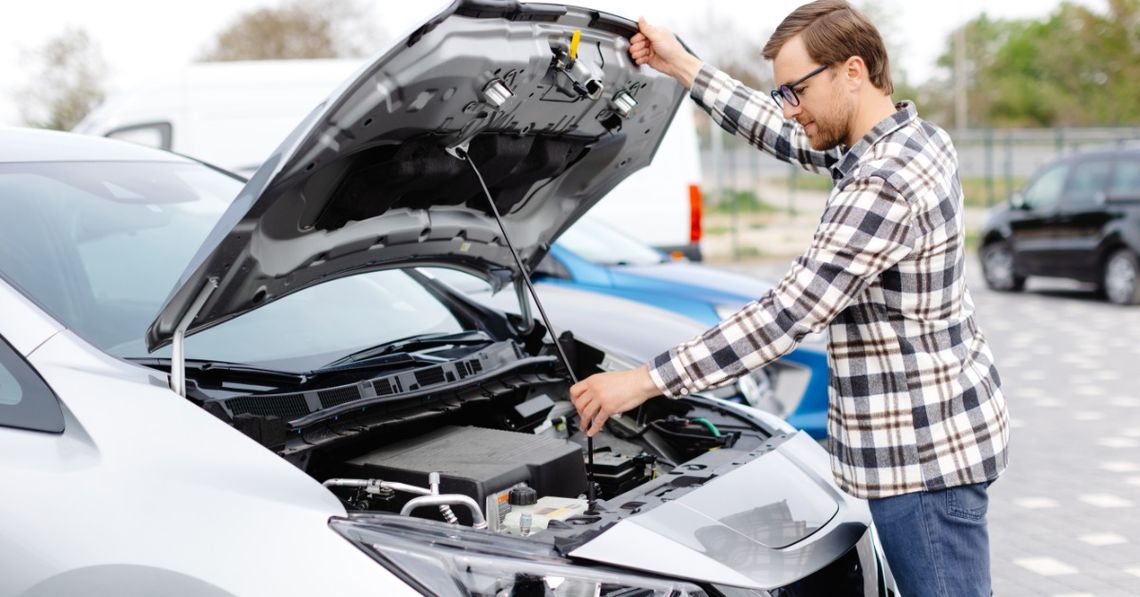
Few car problems announce themselves at a worse time than a dead battery. You turn the key or press the start button, only to hear a weak click, a sluggish crank, or nothing at all. The most common reasons car batteries die range from an innocent light left on overnight to faults elsewhere in the electrical system. Take a closer look at the circumstances around the failure and contact a qualified automotive professional if electrical faults seem likely.
The Battery Has Reached the End of Its Service Life
Car batteries don’t last forever. Each start asks the battery to supply a large burst of electrical current, and years of heat, cold, vibration, and normal use gradually reduce its ability to hold a charge. Eventually, a battery that worked without trouble last month may struggle to start the engine.
Age can also explain a battery that seems fine one day and weak the next. A cold morning or a few short trips may expose a loss of capacity that wasn't obvious before. If the battery has several years of service behind it, a battery test can reveal far more than a visual inspection alone.
Lights or Accessories Stay On After You Park
Every part of the electrical system plays a key role, which is why you should know all the common mistakes when replacing car connectors. Headlights, interior lamps, cargo lights, or other electrical accessories can draw power after the engine shuts off. Leave one active for several hours, and the battery may not have enough energy left to start the car.
Modern vehicles reduce this risk through automatic shutoff features, but no system can account for every accessory or electrical modification. A device plugged into an always-powered outlet can also contribute to battery drain. Dash cameras, phone chargers, aftermarket electronics, and similar devices deserve a quick check after an unexplained dead battery.
Extreme Temperatures Put the Battery Under Stress
Weather can be rough on automotive batteries at both ends of the thermometer. High temperatures can accelerate chemical reactions inside the battery and contribute to internal deterioration. The damage may build over time before the driver notices any symptoms.
Cold weather creates a different problem. Low temperatures reduce the battery's available power at the same time the engine requires more effort to start. A battery with reduced capacity may get through mild fall weather without trouble, then fail after the first hard freeze. That sudden winter failure can seem like a problem caused entirely by the cold. In reality, the low temperature may have exposed a battery that had already lost much of its strength.
The Alternator Isn't Recharging the Battery Properly
Once the engine starts, the vehicle's charging system takes over much of the electrical workload. The alternator also replenishes power the battery lost during startup. Trouble in that system can leave the battery with less charge after every drive.
A weak alternator can produce symptoms beyond a dead battery. Drivers may notice dim lights, electrical accessories that act strangely, warning lights on the dashboard, or repeated battery trouble. Those clues deserve attention before another battery gets installed. Replacing the battery alone won't correct a faulty alternator. A technician can test charging voltage and related components to determine if the battery receives the power it needs.
Corroded or Loose Connections Disrupt Current Flow
A healthy battery can't do its job if electrical current has trouble passing through its connections. Corrosion around the battery terminals can create resistance, and loose cable connections can produce similar symptoms. The result may look a lot like a weak or dead battery.
Drivers may notice slow cranks, intermittent electrical trouble, or a car that starts after someone adjusts a battery cable. Visible buildup around the terminals also provides a useful clue. Since battery service involves electrical current and corrosive material, proper safety precautions matter during inspection or repair. Connections elsewhere in the starting and charging circuits can cause trouble, too. Damaged cables, poor grounds, and deteriorated electrical connectors can interrupt current flow even when the battery tests well.
A Parasitic Draw Uses Power After Shutdown
Every vehicle uses a small amount of electricity after the engine shuts off. Computers, security systems, clocks, and memory functions need some power at rest. Trouble starts when a component draws more current than the vehicle was designed to tolerate.
This type of fault is known as a parasitic draw. A malfunctioning module, relay, light, switch, or aftermarket accessory can slowly discharge the battery as the car sits. The vehicle may start normally after a long drive, then have a dead battery a day or two later. Parasitic draws can be frustrating because the faulty component isn't always obvious. Proper electrical tests can measure current draw and help narrow the fault to a particular circuit.
The Vehicle Sits Unused for Long Periods
A parked vehicle still consumes some battery power. Leave it unused long enough, and normal electrical demands can gradually reduce the available charge. Battery condition, temperature, vehicle design, and installed accessories all affect how quickly that happens.
This scenario comes up with seasonal cars, second vehicles, and cars stored during long trips. Starting the engine for a few minutes in the driveway may not restore the energy used for the start. Regular road use or a suitable maintainer can provide a better approach for vehicles that spend long periods parked.
Electrical Problems Can Mimic Battery Failure
Not every no-start condition points directly to the battery. Starter problems, damaged cables, poor grounds, faulty connections, and other electrical defects can produce similar symptoms. Guesswork can become expensive once several parts enter the picture.
For example, a driver may replace a battery after repeated slow starts, only to see the same symptom return days later. Tests then reveal excess resistance in a cable or a fault in another part of the starting circuit. Diagnosis before replacement can save time, money, and another frustrating morning in the driveway.
Watch for Early Signs of Battery Trouble
Cars sometimes offer a little warning before the battery becomes too weak to start the engine. A starter that cranks more slowly than usual deserves attention, especially if the symptom appears on several consecutive starts. Electrical accessories may also behave differently when voltage drops.
Repeated jump-starts are another sign that something needs attention. A jump can get the car back on the road, but it doesn't explain why the battery lost its charge. Testing the battery and electrical system can reveal if the trouble comes from battery age, inadequate charge, excess current draw, or another fault.
Knowing the most common reasons car batteries die can turn an unexpected no-start into a much more manageable problem. Pay attention to the pattern instead of treating every dead battery as an automatic replacement. A battery that dies after the headlights stay on tells a different story from one that loses its charge every two days. That context can point you toward the right repair and reduce unnecessary part replacements.
Comment
Comments