
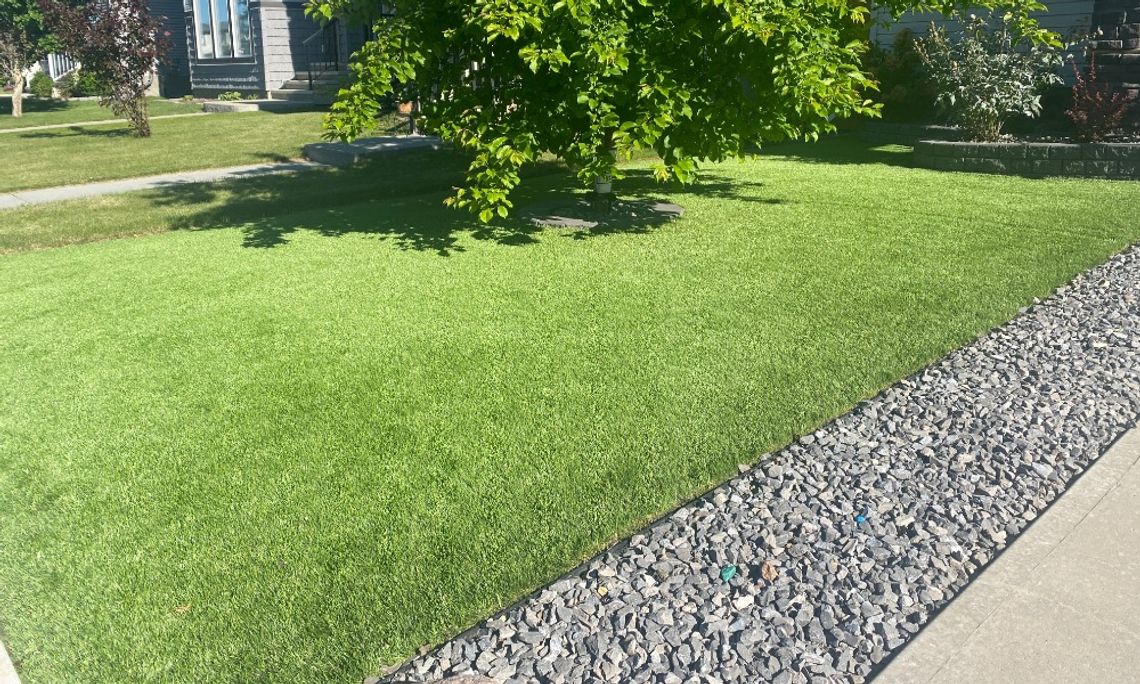
Natural grass isn't always better. There are some circumstances where soil, sunlight, or foot traffic make a healthy lawn almost impossible to maintain no matter how much time or money you put into it. Here are eleven signs you should consider switching to turf for your own yard, especially if you've already tried reseeding, fertilizing, or adjusting your watering schedule without much change.
Grass Won't Grow No Matter What You Try
Some yards have soil that fights against grass from the start. Compacted clay, poor drainage, or years of chemical buildup can strip soil of the nutrients grass needs to root properly. If you've reseeded the same bare patch three or four times and nothing takes, the problem probably isn't your technique. One of the best uses for artificial grass is in lawns that never manage to grow anything themselves, no matter how much seed or fertilizer goes down. This is common in older neighborhoods with decades of soil compaction from construction or heavy foot traffic.
Shade Covers Most of the Yard
Grass needs a minimum amount of direct sunlight to photosynthesize and spread. Most turfgrass varieties need at least four hours of sun daily, and shade-tolerant types still need some direct light to survive long-term. A yard with mature trees or a north-facing exposure often can't provide that, leaving you with thin, patchy grass that thins out more every year regardless of shade-tolerant seed blends.
Your Water Bill Spikes Every Summer
A standard lawn needs roughly one to one and a half inches of water per week during hot months to stay green. In dry climates or during drought restrictions, that adds up fast, both in cost and in water usage. If your summer water bill climbs every year when irrigation starts, your lawn may be using a large share of your household water just to stay green through the hottest part of the season.
Pets Have Turned Parts of the Yard to Dirt
Dog urine contains nitrogen concentrated enough to burn grass on contact, leaving yellow spots that spread if the same areas get used repeatedly. High-traffic zones near doors, fence lines, and favorite digging spots wear down even durable grass varieties. If your yard has more dirt patches than grass in the areas your pets use most, no amount of reseeding will keep pace with that kind of daily wear.
Mowing Has Become a Weekly Chore You Dread
Standard lawns need mowing every five to seven days during peak growing season to stay under three inches, which is the height most experts recommend for healthy root systems. That's on top of edging, fertilizing, and dealing with clippings. If lawn care eats up a chunk of your weekend every single week without much payoff in how the yard looks, that time cost is worth factoring into any decision about long-term lawn maintenance.
Weeds Keep Coming Back After Treatment
Thin or stressed grass leaves bare soil exposed, and bare soil is exactly where weed seeds germinate fastest. If you're applying pre-emergent herbicide every season and still pulling dandelions and crabgrass by midsummer, the weeds are filling gaps your grass isn't dense enough to close on its own. Reseeding to thicken the lawn can help, but only if the underlying soil and light conditions support grass growth in the first place.
Allergies Flare Up Every Time You're Outside
Grass pollen is one of the most common seasonal allergy triggers, and mowing kicks up both pollen and mold spores that settle on skin and clothing. If spending time in your own yard consistently leaves you sneezing or itchy, your lawn may be contributing to those symptoms. Replacing natural grass with turf removes one source of pollen from the yard and cuts out mowing, which can stir allergens into the air.
Erosion Is Washing Away Soil on Slopes
Grass roots typically extend four to six inches into soil, which helps hold slopes together during heavy rain. When grass is patchy or thin on a slope, water runoff can carry topsoil away faster than it regenerates. If you're noticing bare channels forming after storms or soil collecting at the bottom of a hill, root density isn't sufficient to hold the ground in place.
You're Tired of Brown Patches During Droughts
Grass without enough water turns brown and dormant within one to two weeks of insufficient watering, and repeated drought stress can kill root systems permanently over several seasons. Watering restrictions during dry months mean brown lawns are common even for homeowners doing everything right. If your yard cycles between green and brown every summer depending on rainfall, the grass simply isn’t getting the consistent moisture it needs to stay green.
Kids or Pets Track Mud Into the House Constantly
Wet soil under thin or patchy grass turns to mud fast, and mud gets tracked indoors on shoes, paws, and toys. If cleaning the entryway floor has become a daily task during rainy months, that's a sign the ground cover underneath your grass isn't holding up to regular use. Consistent mud usually points to compacted or poorly draining soil beneath the grass, not just the grass itself.
The Yard Looks Different Every Few Months
Grass changes with the seasons: it greens up in spring, can go dormant in summer heat, and may thin out again in winter depending on your climate and grass type. If you want a yard that looks the same in July as it does in April, seasonal grass cycles work against that. Some homeowners don't mind the variation, but for others, that inconsistency becomes the most frustrating part of lawn ownership over time.
Your Lawn Doesn't Have to Be a Constant Project
Your yard should give you space to use, not another recurring job that keeps demanding repairs. If poor growth or repeated wear keeps sending you back to the same sections, changing the surface may make more sense than continuing the cycle.
The signs your lawn could benefit from a switch to turf aren't limited to a lawn that has completely failed. Sometimes the biggest clue is simply how much work you're putting into keeping natural grass in a space where it continues to struggle.
Comment
Comments