
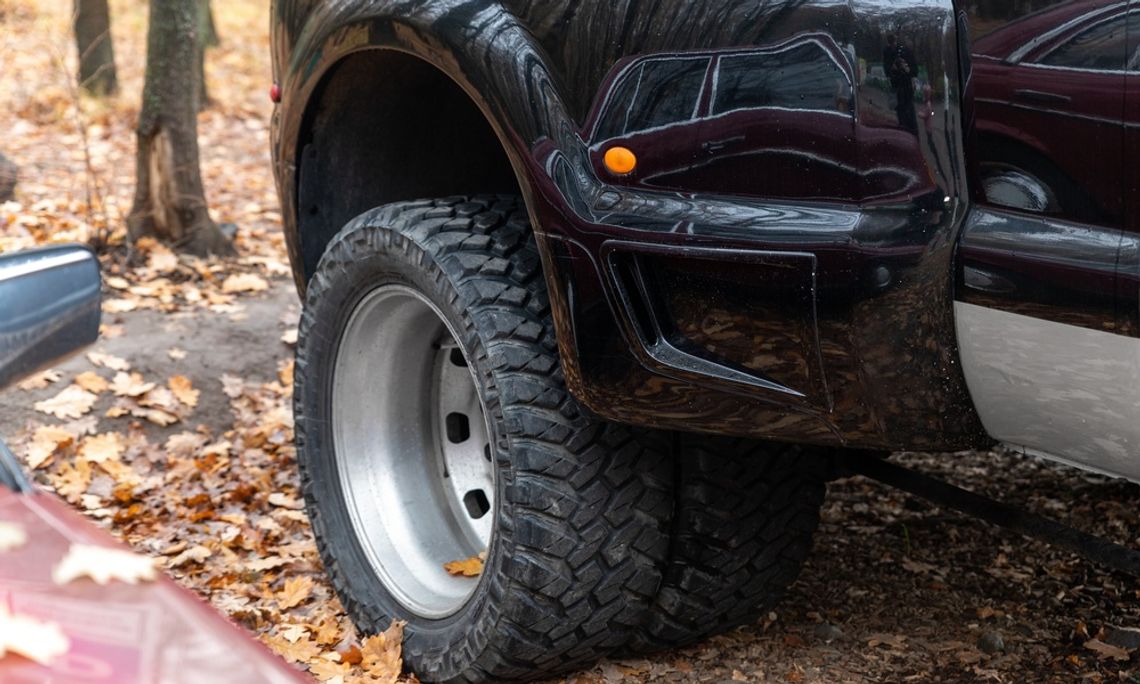
A dually truck feels different from a standard pickup as soon as you spend enough time behind the wheel. Its wide rear stance changes how the truck responds to the road and how much space it needs. Owners who understand that behavior can develop better habits and feel more confident during everyday travel.
The differences become more noticeable when the truck carries extra weight or travels across rough pavement. Even a familiar truck can develop a different feel once road conditions change. Paying attention to those changes helps a driver recognize when the truck needs a different approach.
Strong handling for dually truck owners starts with an understanding of how the truck normally behaves. Each trip gives an owner another chance to become familiar with steering response and general road feel. That familiarity can make an unexpected change much easier to notice.
Get Comfortable With the Truck’s Width
The broad rear stance is one of the first differences a new dually owner will notice. Rear wheels extend farther outward and require additional space through narrow areas. This width can seem unusual until the driver becomes familiar with the truck.
Mirrors become valuable references when space starts to feel limited. Drivers can use them to understand where the outer rear tires sit relative to nearby obstacles. With enough experience, judging that distance starts to feel much more natural.
Understand How Extra Weight Feels
A dually often feels different once significant cargo places additional pressure across the chassis. The change may appear subtle at first but can become obvious during normal road travel. Drivers should become familiar with how their truck responds under its usual work demands.
Poor weight placement can make the vehicle feel less predictable. A noticeable change in steering response deserves attention rather than an immediate assumption that the truck has a mechanical fault. Sometimes the load itself explains why the vehicle suddenly feels different.
Give Every Rear Tire Attention
Four rear tires share responsibility for supporting the truck across the rear axle. When one tire loses pressure, the difference can affect how that side responds to the road. Regular pressure checks help owners recognize a problem before the truck starts to feel unusual.
Tire condition also deserves close attention because wear can change road contact over time. A tire that no longer matches its partner may create a different response across the same side. Owners should address unusual wear before it becomes part of the truck's normal feel.
Respond to Unstable Wheels Early
Unexpected movement deserves attention when a dually usually feels calm on smooth pavement. A new vibration can signal that something has changed beneath the truck. Ignoring that sensation can allow a manageable concern to become more difficult to address.
Learning what to do when dually wheels feel unstable will help you react without making an abrupt correction that worsens the problem. Reduce speed with care and move toward a safe place away from active traffic. If the unstable feel remains, professional inspection can reveal the source before another trip places more stress on the truck.
Allow More Room Through Turns
A dually requires a different approach to tight corners because the rear axle occupies more road space. Front clearance does not always mean the rear tires have enough room to pass safely. Drivers should remember the complete truck as they judge each turn.
Experience can make these movements feel much easier. A driver soon develops a better sense of how much room the truck needs before the turn becomes too tight. Smooth control gives that driver more time to adjust when available space starts to disappear.
Keep Steering Movements Smooth
A heavy truck responds better to calm steering input than sudden movement. Sharp corrections can make the truck feel unsettled because its mass cannot change direction instantly. Gentle input gives the vehicle time to respond in a more predictable manner.
Drivers can make this easier when they keep their attention farther down the road. Earlier awareness creates more time to react when traffic or pavement conditions require a change in direction. This approach reduces the need for aggressive corrections at the last moment.
Leave More Space Before a Stop
A dually needs adequate room when the driver wants to reduce speed. The truck may require more distance when additional weight increases the force that its brakes must control. One of the most important things to know when handling a dually truck is that leaving enough road ahead allows the driver to use the brake pedal with greater restraint.
Wet pavement can make this need for space even more apparent. Tire grip changes once the road becomes slick, and the truck may not respond exactly as it does on dry asphalt. A patient approach gives the driver more room to manage that difference.
Read the Road Ahead
Rough pavement can make a dually feel different because its broad stance places tires across a wider section of road. A deep rut on one side can influence the truck before the opposite side reaches the same area. That sensation can surprise drivers who expect both sides to react together.
The best response often starts before the tires reach the rough section. A driver who sees damaged pavement early has more time to reduce speed without a sudden reaction. This creates a calmer transition across the surface and helps the truck remain predictable.
Adjust Your Approach With a Trailer
A trailer changes how a dually reacts because the truck must control additional weight behind its rear axle. Drivers may notice that steering feels different once the trailer places pressure on the truck. Becoming familiar with this response is an important part of confident tow travel.
Turns also require more patience once the truck has a trailer attached. The complete setup needs additional space before it can pass through a corner without trouble. A smooth approach gives the driver enough time to judge the path without abrupt steering input.
Pay Attention to Small Changes
A truck often provides subtle clues before a handling problem becomes severe. The driver may first notice that the vehicle simply does not feel as settled as usual. That small difference deserves attention when it continues across several stretches of smooth road.
Familiarity makes these changes easier to recognize. An owner who knows the truck well can notice when its normal road response begins to shift. Early attention can prevent that unfamiliar behavior from becoming accepted as part of everyday use.
Owning a dually means becoming familiar with a truck that demands a little more attention from the person behind the wheel. Its wider stance creates a road presence that feels powerful once you understand how the vehicle reacts. That knowledge turns unfamiliar responses into something you can recognize and address with confidence.
The strongest connection between a driver and a dually develops through experience on the road. Pay attention when the truck suddenly feels different because subtle changes can reveal a problem before it becomes more serious. When you understand your dually's normal behavior, every mile gives you greater confidence in the truck beneath you.
Comment
Comments