
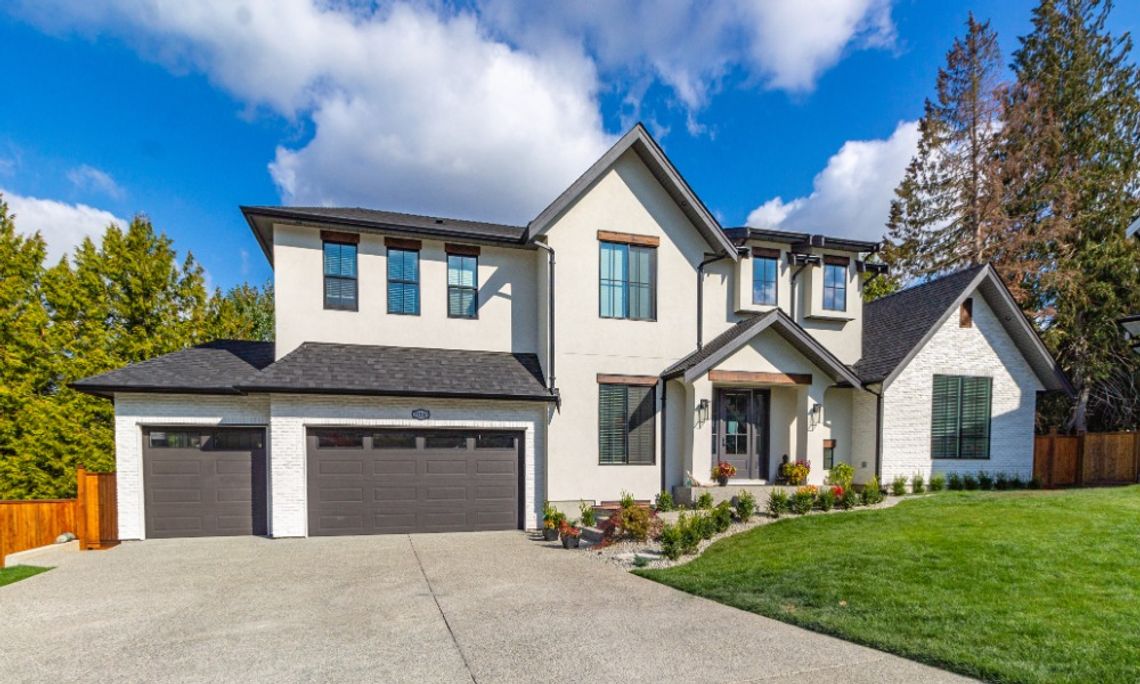
A garage door with rust stains or a color that doesn’t complement the exterior is an eyesore. On the other hand, a door with weak materials won’t be able to withstand rigorous storms.
Whether homeowners want to enjoy a sturdy garage door or improve its appearance to appeal to future buyers, it’s helpful to know which garage door features will increase the home’s value. Consider these components before upgrading the door.
Insulation Improves Thermal Performance
Insulation gives a garage door greater control over heat transfer between the garage and outdoors. In Mississippi’s hot summers, that barrier reduces the amount of outdoor heat moving through the door panels. Cool winter temperatures work in the opposite direction, making insulation useful throughout the year.
Extreme temperatures inside the garage place greater thermal pressure on adjoining spaces. An insulated door moderates those temperature swings and contributes to a stable environment around the connected portions of the home.
Insulation also changes the physical construction of the door. Many insulated models use layered panels that increase rigidity compared with basic single-layer designs. Homebuyers evaluating upgrades may appreciate this combination of thermal performance and solid construction because both qualities contribute to the sense of a well-finished property.
Weatherstripping Limits Outdoor Air Movement
Small gaps around a garage door allow outdoor air, moisture, dust, and debris to enter the space. Weatherstripping closes many of those openings by forming a flexible seal around the door perimeter.
A bottom seal sits between the lowest door section and the garage floor. Side and top seals reduce gaps around the remaining edges. Together, these components limit hot outdoor air from moving freely into the garage during summer and reduce drafts during cool periods.
Weatherstripping also protects the finished appearance of the garage interior. Wind-driven rain and debris have fewer openings to pass through when the perimeter seals properly. Although weatherstripping seems minor compared with panels or insulation, its performance contributes to how complete the entire door system feels.
Durable Materials Protect the Exterior
Material selection influences how well a garage door handles years of sun exposure, humidity, and rain. Steel is a common choice because it offers strength without demanding extensive upkeep. Protective coatings shield the surface from moisture and corrosion common in humid climates.
Natural wood delivers distinctive grain and depth that manufactured materials approach in different ways. However, the material generally calls for consistent finishing to protect it from moisture and sunlight. From a value perspective, the strongest choice is a material suited to the home’s style and the surrounding climate.
Wind Resistance Strengthens Storm Performance
Severe thunderstorms and tropical weather systems bring strong winds into Mississippi communities. Since the garage door covers a large portion of the facade, it must be able to withstand high wind pressure.
Wind-rated garage doors use reinforced components designed to resist specified pressure levels. From reinforced tracks and struts to heavy-duty hardware, the door won’t falter when extreme weather arrives.
Even when a particular rating isn’t legally required, storm-resistant construction may appeal to homeowners who prioritize long-lasting quality. Buyers comparing two otherwise similar properties could view reinforced exterior components as evidence that previous owners selected materials with local weather conditions in mind.
Quality Hardware Improves Door Movement
Hardware carries much of the mechanical workload every time the garage door travels along its tracks. Rollers, hinges, brackets, and related components all contribute to how steadily the door moves.
Higher-quality components reduce unnecessary vibration and provide firm connections between door sections. Smooth movement also protects the impression created by the rest of the upgrade. A beautiful door loses some of its appeal if there’s shaky operation.
Hardware remains mostly out of sight. Nevertheless, you’ll feel the effect of the hardware’s quality in every door cycle. It’s best to select durable hardware from the start to reinforce the door’s structure.
A Style That Complements the House
Panel patterns, window layouts, and decorative hardware all influence whether the door blends naturally with the home’s architecture or appears disconnected from it. Traditional raised panels tend to pair well with classic home styles, while clean horizontal lines suit many contemporary exteriors. Carriage-style doors offer another option for properties with farmhouse or craftsman influences.
A few coordinated elements establish enough visual consistency to make the exterior appear thoughtfully designed. Matching the garage door to exterior home finishes brings the siding, trim, masonry, and door into a cohesive exterior palette. Buyers viewing the property see one coordinated composition instead of a garage door competing with the rest of the house.
Windows Enhance Architectural Character
Garage door windows introduce visual detail without changing the basic function of the door. Their greatest value comes from how they break up a large exterior surface and connect the garage with other windows across the home.
Placement influences the overall effect. A row of windows across the upper section creates a balanced traditional appearance, while vertical or asymmetrical configurations suit contemporary designs.
Smart Technology Offers Convenient Access
Modern garage door openers increasingly include connected features that allow homeowners to monitor and operate the door through compatible devices. Remote status checks are particularly useful when someone leaves home and wonders whether the garage closed properly.
Some systems provide activity notifications or temporary access options for household members and approved visitors. These functions turn the garage entrance into another part of the home’s connected technology.
Technology evolves quickly, so buyers may care more about compatibility and reliable operation than a particular app or brand. A well-integrated system still signals that the garage received the same level of attention as other frequently used areas of the property.
Select Features With Lasting Appeal
A single decorative upgrade won’t revitalize the garage door. However, carefully selecting elements that will strengthen the door’s visual appeal and sturdiness will prevent you from needing to replace the door within a few years.
Focusing on the garage door features that will increase your home’s value—including insulation, durable materials, and quality hardware—will lead you to the right decision. Take into consideration the home’s current architecture as well as the climate. Finding a door that combines all of these elements will ensure that the door fits the property perfectly for decades.
Comment
Comments