
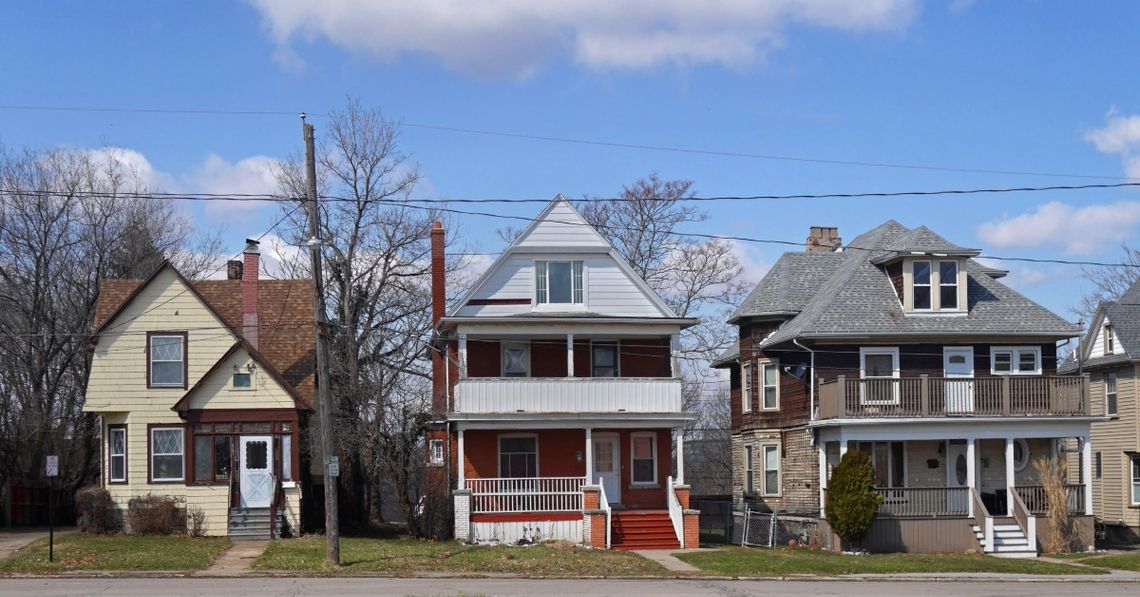
Older homes can offer character, established neighborhoods, larger lots, and layouts that you may not find in newer developments. However, age can also bring maintenance issues that require extra attention before you commit to a purchase. Some problems only need minor repairs, while others can significantly increase your costs after closing. Taking a careful look at the home’s major systems, structure, materials, and maintenance history can help you understand what you’re buying and prepare for future expenses.
Start With the Home’s Structural Condition
A home’s structure should sit near the top of your inspection priorities. Years of soil movement, moisture exposure, settling, and previous renovations can affect foundations, framing, floors, and walls.
Small cracks don’t always indicate a serious issue, but large cracks, uneven floors, sticking doors, or visible gaps around windows deserve attention. Look for sagging rooflines and walls that bow or lean as well. A qualified home inspector can identify warning signs and recommend further evaluation from a structural engineer when necessary.
You should also ask whether previous owners completed foundation repairs. Repair records can help you understand the history of the property and determine whether contractors addressed the underlying cause.
Take a Close Look at the Electrical System
Older electrical systems may struggle to support modern lifestyles. Decades ago, homeowners didn’t need electrical systems that could simultaneously power computers, large televisions, multiple appliances, chargers, entertainment systems, and other electronics.
Check the electrical panel and ask about its age. You should also determine whether the house contains outdated wiring materials or lacks grounded outlets in important areas.
Pay attention to extension cords, overloaded power strips, flickering lights, frequently tripped breakers, or outlets that feel warm. These signs may indicate that the electrical system needs professional attention. An electrician can evaluate the system and explain potential upgrade costs before you purchase the property.
Determine the Age of the Plumbing
Plumbing can create expensive surprises in an older house. Supply lines, drainpipes, fixtures, and sewer lines all have limited lifespans. Some older materials may also create problems as they deteriorate.
Ask the seller about previous plumbing upgrades and repairs. Find out whether contractors have replaced major sections of the system or only completed small fixes over the years.
Check faucets for water pressure and look underneath sinks for leaks, corrosion, or moisture damage. Pay attention to slow drains and unusual odors. A sewer scope can also reveal cracks, root intrusion, blockages, and other problems that a standard home inspection might not uncover.
Inspect the Roof and Attic Carefully
A roof replacement can add a major expense shortly after you buy a house, so find out how old the roof is before making your decision. Ask about the roofing material, installation date, warranties, and previous repairs.
From inside the attic, look for signs of moisture, staining, mold growth, damaged insulation, or daylight entering through gaps. The attic can also reveal ventilation problems.
Older houses sometimes provide easy entry points for wildlife intrusions through damaged soffits, roof vents, chimneys, or small exterior openings. Animals can damage insulation, wiring, ductwork, and other materials, so investigate unusual noises, droppings, nesting materials, or visible entry points.
Watch for Water and Moisture Problems
Water can cause extensive damage when homeowners fail to control it. Older houses may have experienced decades of leaks, drainage problems, basement moisture, or plumbing failures.
During your walkthrough and inspection, look for:
- Water stains on ceilings and walls
- Musty odors in basements and crawl spaces
- Soft or damaged flooring near plumbing fixtures
- Efflorescence or moisture on basement walls
- Rot around windows, doors, and exterior trim
- Gutters that drain too close to the foundation
Don’t focus only on current leaks. Old stains and repaired surfaces may reveal previous problems. Ask what caused the damage and what steps the owner took to correct it.
Learn About the Home’s Insulation
Many older homes lack the insulation standards that newer construction follows. Poor insulation can make rooms uncomfortable and increase heating and cooling costs.
Ask your inspector to evaluate accessible insulation in the attic, basement, and crawl space. You should also look for noticeable temperature differences between rooms and drafts around doors or windows.
Improving insulation can increase comfort and efficiency, but you should understand the potential cost before purchasing. Some houses make insulation upgrades relatively straightforward, while others require more complicated work.
Evaluate the Heating and Cooling Systems
Furnaces, boilers, air conditioners, heat pumps, and ductwork eventually require replacement. When several components approach the end of their expected service lives at the same time, your expenses can add up quickly.
Ask for the installation and maintenance records for each major system. Regular professional maintenance can provide useful insight into how previous owners cared for the equipment.
Test heating and cooling equipment when conditions allow. Listen for unusual sounds, check airflow from vents, and note major temperature differences throughout the house. An HVAC professional can provide a more detailed evaluation if the system looks particularly old or questionable.
Consider the Condition of Windows and Doors
Original windows can contribute to an older home’s appearance, but they may also allow drafts, moisture, and outside noise into the house. Check whether windows open, close, and lock properly. Look for deteriorated frames, damaged seals, condensation, and signs of water intrusion.
Doors deserve similar attention. A door that suddenly refuses to close properly may indicate normal wear, but several sticking doors could point toward structural movement.
Replacement costs can vary considerably depending on the number, size, material, and style of the windows and doors.
Ask About Hazardous Building Materials
Construction practices have changed significantly over time. Depending on the home’s age, you may encounter materials that require special handling during repairs or renovations.
Lead-based paint and asbestos-containing materials represent two common concerns in older properties. You shouldn’t automatically assume their presence makes a house unsuitable, but you should understand where these materials exist and how they could affect future projects.
Professional testing can provide clearer answers when you plan major renovations. Knowing about these materials beforehand also helps you create a more realistic remodeling budget.
Look Beyond Cosmetic Renovations
Fresh paint, new flooring, modern appliances, and attractive fixtures can make an old house look updated without addressing its most important systems. Don’t allow cosmetic improvements to distract you from the foundation, roof, plumbing, electrical system, drainage, or HVAC equipment.
Ask what renovations the seller completed and when they completed them. You should also investigate whether significant projects required permits and whether contractors handled the work.
A beautiful kitchen adds value and convenience, but it doesn’t compensate for major hidden problems elsewhere.
Research Previous Repairs and Renovations
Maintenance records can tell you a lot about an older home. Ask for invoices, warranties, permits, and other documentation related to major projects.
Pay particular attention to foundation work, roofing, electrical upgrades, plumbing replacements, additions, basement finishing, and structural modifications. Documentation can help you determine whether qualified professionals completed major work and whether transferable warranties remain available.
If the house contains obvious renovations but the seller provides little information, investigate further before closing.
Give Yourself Time To Understand the Property
Many older houses remain comfortable and reliable because previous owners maintained and updated them carefully. The key involves looking beyond appearance and understanding the condition of the property before you commit.
Schedule a thorough inspection, ask detailed questions, review available maintenance records, and bring in specialized professionals when concerns arise. When you understand the home’s structure, systems, repair history, and likely future expenses, you can approach your purchase with clearer expectations and fewer expensive surprises.
Comment
Comments