
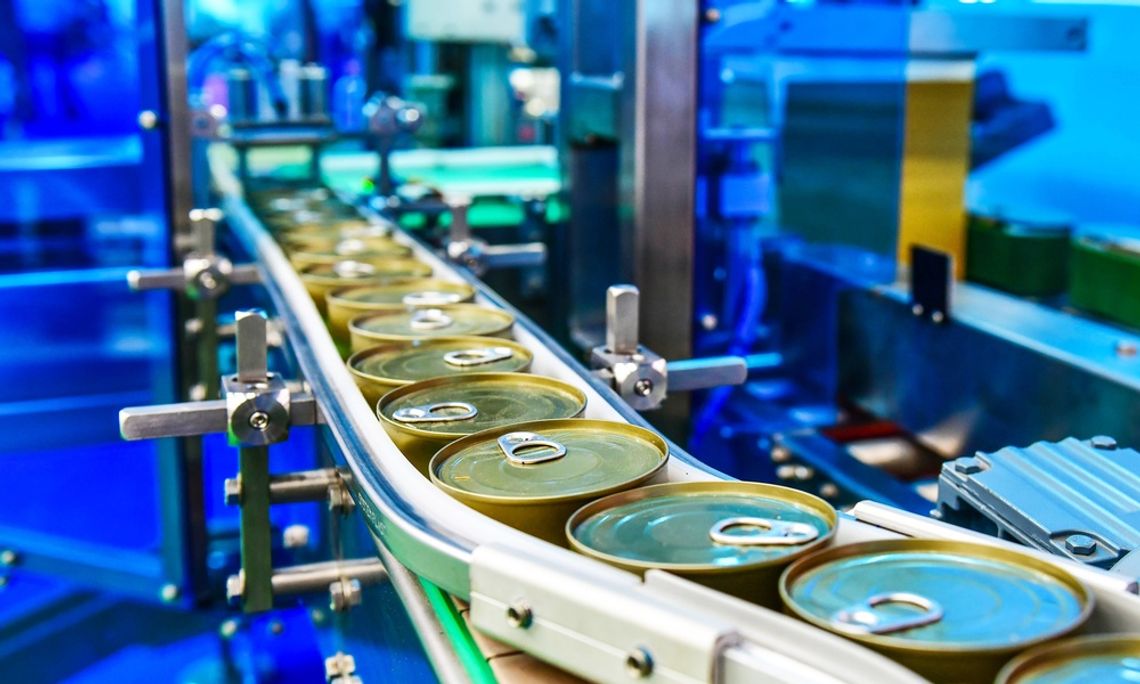
Growth can create an unexpected problem for food producers. More orders should represent good news, but higher production volume can expose weaknesses that were easy to overlook when demand was lower.
One machine may process products faster than the next station can accept them. Employees may spend too much time moving finished cases by hand. A packaging operation that once felt efficient may suddenly struggle to keep pace.
For food producers serving Pelahatchie, Rankin County, and markets throughout Mississippi, expanding capacity requires more than purchasing faster equipment. Keep reading to understand how to scale a food packaging line without bottlenecks.
Measure the Current Process Before Expanding It
Before adding equipment, operators need a clear picture of how products currently travel through the facility.
Start by documenting production rates at each major station. Measure how many units move through filling, sealing, case packing, palletizing, and other relevant steps during a normal shift. Then compare those figures with periods of peak production.
Average performance alone may hide a constraint. A machine could perform well for most of the day but create backups during changeovers or high-volume production runs.
Downtime deserves the same attention. Track how long equipment remains unavailable because of cleaning, adjustments, material replenishment, jams, or maintenance. Small interruptions can have a large cumulative effect.
Find the True Bottleneck
A bottleneck occurs where work arrives faster than the next process can handle it. Adding capacity elsewhere does little to solve that problem.
Consider a facility where a case packer handles 25 cases per minute while the palletizing process handles only 18. Increasing the speed of the case packer will not increase output. It will simply create a larger queue before palletizing.
Operators should identify where products consistently accumulate and where employees spend time waiting. Those observations reveal whether the restriction comes from machinery, labor, material handling, or another part of the workflow.
Temporary slowdowns also matter. If a station becomes a constraint only during certain product runs, the facility may need flexibility rather than permanently higher capacity.
Plan Capacity as a Complete System
If you want to scale a food packaging line without bottlenecks, you must plan the capacity of the complete system. Packaging equipment works best when neighboring processes operate at compatible rates.
Before increasing the speed of one station, evaluate what happens immediately before and after it. A faster filler may require additional conveying capacity. Faster case packing may put new pressure on palletizing. Higher pallet output can create congestion if stretch wrapping or warehouse transportation cannot keep pace.
This systems approach helps prevent a common scaling mistake: solving one restriction while creating another.
Facilities should also consider buffer capacity between critical processes. Strategic accumulation space can allow one part of the operation to continue briefly when another station slows down. The right amount depends on product characteristics, available floor space, and production requirements.
Use Modular Equipment To Preserve Flexibility
Demand does not always increase in a straight line. Food producers may add new products, change package dimensions, enter new markets, or experience seasonal surges.
Equipment that supports flexible configurations can make those changes easier to manage. Modular systems allow facilities to expand select parts of an operation instead of replacing an entire installation whenever production requirements change.
That flexibility can become especially valuable near the end of the packaging process. Palletizing must keep pace with upstream production while accommodating different case sizes, pallet patterns, and load requirements.
Facilities considering phased automation can use this overview of modular palletizer food packaging machines as a technical reference when comparing approaches to scalable end-of-line layouts.
Give End-Of-Line Operations Enough Attention
Businesses sometimes concentrate expansion investments on processing equipment because that equipment directly affects how much product the plant can make. Finished products, however, still must move through secondary packaging and shipping.
Case handling, palletizing, load stabilization, and material movement can become significant constraints after upstream equipment receives an upgrade.
Imagine a producer that increases production by 30 percent but leaves palletizing the same. Employees at the end of the operation now must absorb that additional volume. Manual handling requirements rise, staging space fills more quickly, and forklifts may need to make additional trips.
Review the Facility Layout
Equipment capacity means little when poor layout interrupts product flow.
Look for unnecessary turns, long conveyor routes, crowded intersections, or repeated movement of the same materials. Employees should not need to carry packaging supplies across active traffic areas whenever a machine needs replenishment.
A compact layout can reduce travel, but squeezing equipment together creates its own problems. Maintenance personnel need safe access to components. Operators need enough room for normal tasks, and cleaning crews need space to meet sanitation requirements.
Food facilities must also account for hygienic design and separation requirements when changing layouts. Expansion plans should preserve access for cleaning while maintaining orderly product movement.
Automate the Right Tasks
Automation can increase capacity, but automation works best when it addresses a specific constraint.
Repetitive end-of-line processes can provide practical opportunities. Automated case handling or palletizing may reduce manual movement while creating a more predictable production rate. Conveyors can move products between stations without requiring repeated handling.
However, installing automation simply because a process is manual may not improve total throughput. If the automated station already exceeds the capacity of the rest of the system, the investment will not remove the actual restriction.
Prepare for Product Changeovers
Food manufacturers rarely run a single package format forever. Different flavors, product sizes, containers, or case configurations can require equipment adjustments.
Changeovers reduce available production time, so their impact becomes more noticeable as volume increases.
Facilities can examine which adjustments consume the most time and determine whether equipment settings, standardized procedures, or better preparation could shorten the transition. Teams can stage required materials before a production run ends rather than searching for them after the line stops.
Strengthen Preventive Maintenance as Volume Rises
Higher output places more operating hours on equipment. A sufficient maintenance schedule for lower production levels may no longer provide enough protection after expansion.
Teams should review service intervals as utilization increases. Maintenance records can reveal recurring failures before they turn into major interruptions.
Critical spare parts deserve attention as well. A relatively inexpensive component can stop an entire process when no replacement is available. Facilities can identify parts with long lead times or a history of failure and decide which ones justify keeping on-site.
Build Room for the Next Stage of Growth
Expansion decisions should address today's demand without making tomorrow's changes unnecessarily difficult.
That does not mean purchasing excessive capacity years in advance. Instead, businesses can preserve options. Electrical service, conveyor connections, floor space, controls, and equipment placement can all affect how easily a system expands later.
The most effective food packaging line grows as a coordinated operation rather than a collection of isolated machines. When businesses understand their true constraints, match capacity between processes, and preserve flexibility, they can increase output without allowing success to create a new set of production delays.
Comment
Comments