
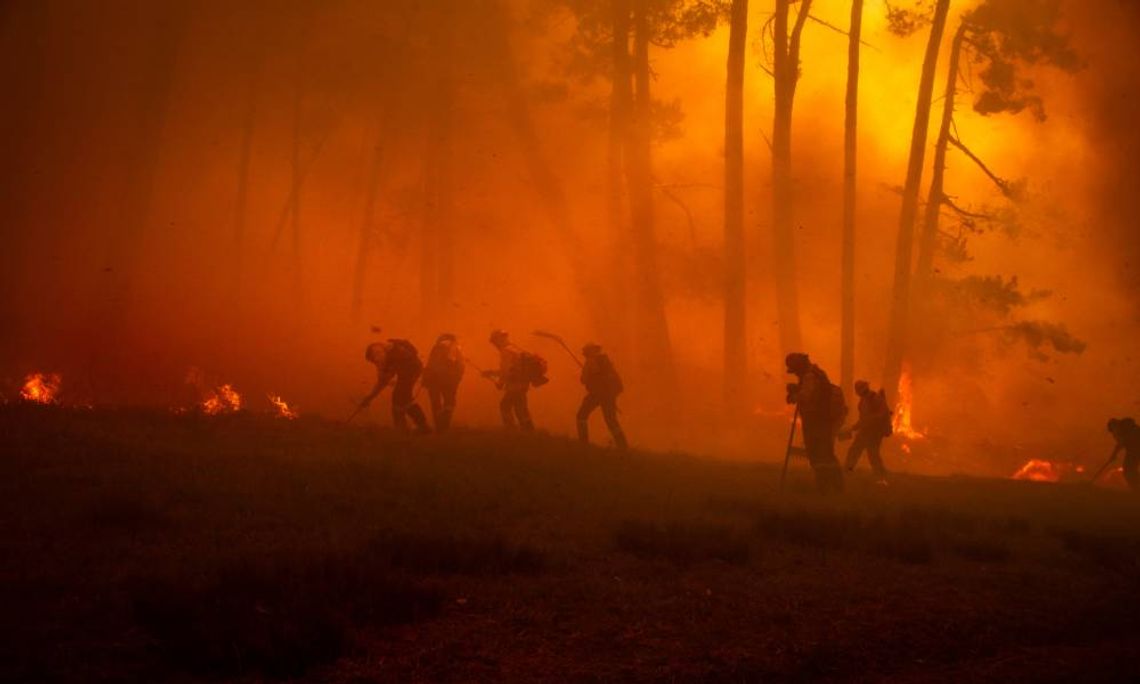
Wildland firefighters work in environments where conditions can change remarkably fast. A calm afternoon can quickly give way to gusty winds, thunderstorms, falling temperatures, or rapidly changing humidity. These shifts aren't simply uncomfortable—weather can influence where a wildfire moves, how intensely it burns, and whether crews can safely continue working in a particular area.
Mississippi residents know how quickly the weather can change. Sudden changes in wind, humidity, and precipitation can affect fires across our wooded and grassy landscapes. Understanding how wildland firefighters handle sudden weather reveals just how much planning and adaptability go into managing fires in unpredictable outdoor environments.
How Does Sudden Weather Affect Wildfires?
Wind
Few weather variables demand as much attention during a wildfire as wind. Changes in wind speed or direction can alter fire behavior and redirect flames toward previously unthreatened areas. Strong winds can also carry embers beyond the main fire, potentially creating spot fires.
Plans that made sense under one set of conditions may need to change when the wind does. When wind direction changes, crews must reconsider where the fire could move next and whether their current locations remain appropriate. Firefighters account for that possibility by maintaining situational awareness and identifying escape routes and safety zones.
Thunderstorms
A thunderstorm can create a complicated situation, even when heavy rain appears likely. Storms can produce abrupt and erratic winds that affect fire behavior before significant precipitation ever reaches the ground.
Thunderstorms can also bring lightning. In areas with dry vegetation, lightning can start additional fires, sometimes far from an existing incident. Those fires may not become obvious immediately, creating another challenge for agencies responsible for monitoring the surrounding area.
Rain isn't always straightforward, either. A brief shower may dampen fine vegetation temporarily without delivering enough moisture to substantially change larger fire conditions. Heavy rainfall, meanwhile, can create hazards of its own, particularly on steep or recently burned ground where vegetation no longer holds soil as effectively.
Temperature and Humidity Changes
Temperature and humidity can also quietly reshape conditions throughout the day. Hotter, drier conditions can remove moisture from vegetation, potentially making some fuels more receptive to burning. Cooler nighttime temperatures and rising humidity may moderate fire behavior.
Temperature changes also affect the firefighters themselves. Crews may work through hot afternoons and significantly colder nights during the same assignment. Knowing how to stay warm during wildland firefighting can be particularly important when temperatures fall unexpectedly or an assignment stretches into colder overnight hours. Having the ability to manage those temperature swings helps firefighters remain prepared for work in environments that don’t follow convenient schedules.
Terrain Adds Another Layer of Complexity
Weather doesn't operate independently of the landscape. Terrain can influence both local weather and fire behavior, creating combinations that firefighters must continually evaluate. Fires can behave differently when moving uphill; add changing winds to sloped terrain, and conditions can become even more complicated. Valleys and drainages may also influence airflow, while shaded and sunny areas can experience different temperatures and fuel conditions.
These interactions explain why field observations remain so valuable. Broad regional forecasts provide essential information, but crews also need to understand how the weather will interact with the ground directly in front of them.
How Firefighters Handle Sudden Changes in Weather
Preparation Starts Before Conditions Change
The best time to think about sudden weather isn't when the first wind gust arrives or when thunder begins rumbling nearby. Firefighters receive briefings, study forecasts, assess terrain, identify potential hazards, and establish contingency plans in advance. However, they also have to account for the reality that conditions may be different several hours into a shift. Preparation gives crews more options if something unexpected happens.
Crews Continuously Monitor the Weather
Weather awareness starts well before firefighters reach the fireline. Forecasts help crews anticipate conditions they could encounter throughout an operational period, but those forecasts are only one part of the whole picture. Once crews are in the field, they continue paying attention to what’s happening around them. Changes in cloud development, wind direction, temperature, and humidity can provide important clues about evolving conditions. Weather observations from the field can supplement forecasts and help firefighters understand what's occurring at their specific locations.
This matters because conditions aren't necessarily identical across an entire wildfire. Terrain, vegetation, elevation, and time of day can create differences from one location to another. Constant observation gives crews a chance to respond as circumstances evolve.
Communication Keeps Everyone on the Same Page
Recognizing a weather change is useful only if the information reaches the people who need it. Communication plays a major role when conditions begin shifting. Weather observations, forecasts, and reports of changing fire behavior can be shared among personnel so that crews have updated information. Supervisors can then reassess tactics accordingly.
Clear communication is especially valuable because wildfires can cover enormous areas. No individual can see everything happening across an incident at once.
Firefighters Are Prepared To Change the Plan
One of the most important aspects of how wildland firefighters handle sudden weather is their ability to adapt. Wildland firefighting isn't a situation in which crews establish a plan in the morning and follow it regardless of what happens next. Strategies and tactics can change when conditions change. A task that was reasonable earlier in the day might become inappropriate after stronger winds, a thunderstorm, or another significant development occurs. That may mean relocating personnel, adjusting objectives, changing tactics, or temporarily disengaging from an area. Adaptability is part of working safely in a dynamic environment.
Crews also consider what changing weather could do next, rather than focusing only on current conditions. A forecast wind shift expected later in the day, for example, can influence decisions well before the wind actually changes.
For residents in Mississippi and elsewhere, wildland firefighting may look like a straightforward battle between firefighters and flames. In reality, however, the surrounding environment is constantly influencing that work. Wind, humidity, temperature, storms, terrain, and vegetation all interact.
Sudden weather is part of that complicated equation. Through observation, communication, preparation, and an ability to adjust tactics, wildland firefighters work to keep pace with conditions that can quickly change.
Comment
Comments