
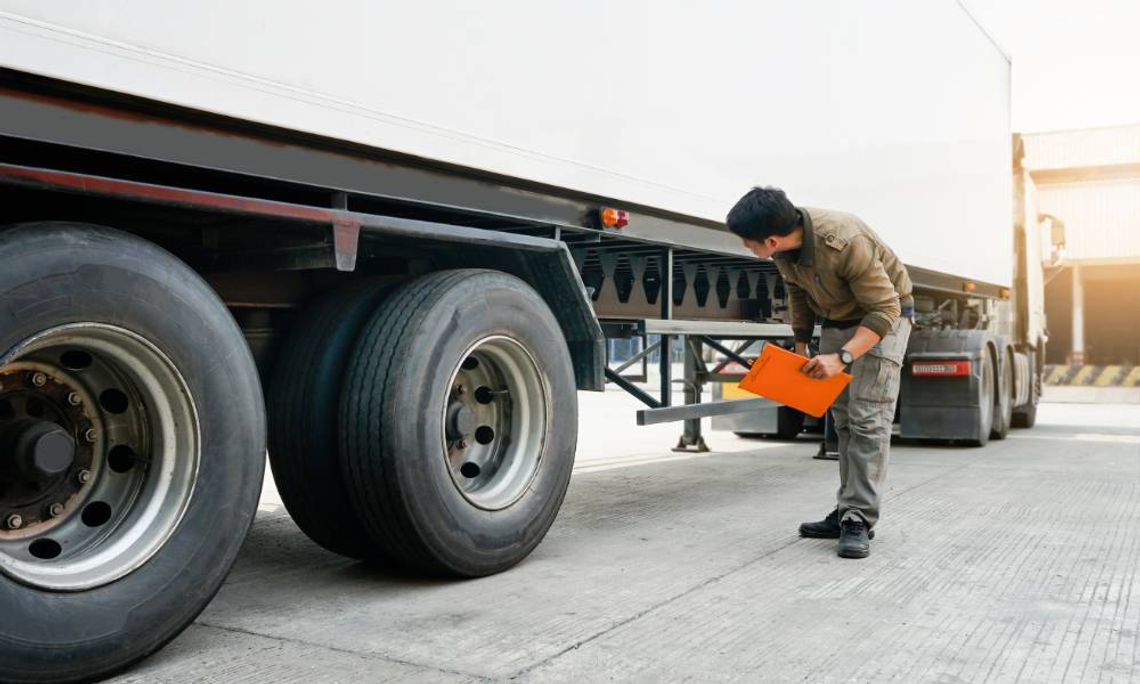
You want your work truck to remain reliable for as many miles and years as possible. As soon as a breakdown sidelines your rig, you're either losing income while it sits, or you're stuck in a replacement truck you're not familiar with and don't trust the same way. So, how do you stop small wear issues from turning into expensive downtime? Here are maintenance tips for keeping your truck running the way it should for the long haul.
Keep Up With Engine Oil Changes
Engine oil protects internal parts from excess friction under heat and heavy loads. As the oil ages, it loses some of its ability to protect those parts during normal operation.
Follow the manufacturer's oil change interval instead of pushing service farther because the truck still runs fine. Old oil can leave internal components with less protection mile after mile. That extra friction can shorten engine life and lead to repairs that cost far more than routine oil service.
Watch Your Coolant Level
A heavy-duty engine creates a great deal of heat, and the cooling system has to control that heat throughout every trip. Low coolant gives the system less fluid to carry heat away from the engine.
Check the reservoir regularly and pay close notice to a level that keeps dropping. Repeated coolant loss can point to a leak somewhere in the system. Continual top-offs won't solve the source of the problem. Find the leak before repeated heat exposure damages engine components.
Stay Ahead of Tire Pressure Problems
Tires wear differently when pressure falls outside the recommended range. Low pressure allows more sidewall flex, which creates extra heat as the tire rolls. High pressure puts more force on the center of the tread.
Temperature changes can also alter tire pressure between checks. Measure pressure when the tires are cold and compare the result with the range recommended for the truck. Proper inflation reduces uneven wear and gives each tire a better shot at reaching its expected service life.
Catch Brake Wear Before It Spreads
Work trucks put their brakes through repeated heavy stops. That heat wears friction material down over time. If pads or shoes wear too far, damage can spread to drums or rotors.
Changes in brake performance deserve an inspection before the problem gets worse. A longer stop distance can point to worn brake components. Pull to one side during a stop can also indicate a problem. Don't wait until you hear metal grind against metal. At that point, routine brake service may have already turned into a larger repair.
Lubricate The Fifth Wheel Properly
Your truck's fifth wheel allows the tractor and trailer to connect while still allowing movement through turns. If the fifth wheel runs dry or its parts wear, the connection can place excess stress on nearby components.
One common problem is micro-oscillation wear in the pins. Tiny repeated movements at the connection point gradually wear metal surfaces. Regular inspection and the correct lubricant reduce that wear. Remove contaminated grease before you apply fresh lubricant so grit doesn't remain trapped against the metal.
Replace Worn Belts Before They Fail
Belts spend their service life under tension while engine heat works against the rubber. Small cracks or frayed edges can show that the material has begun to break down.
A failed belt can stop an accessory that the engine depends on and leave the truck out of service. Check belt condition during routine maintenance instead of waiting for noise or a sudden break. If a belt shows damage or no longer holds the right tension, replacement can prevent an avoidable roadside failure.
Treat Suspension Wear Early
The suspension absorbs movement from rough pavement and keeps the truck stable under load. Worn bushings or damaged suspension parts change how that force travels through the chassis. Extra vibration can then put additional stress on tires or nearby hardware.
A truck that pulls to one side may need suspension work. Excess bounce can point to worn components as well. Have those changes checked before loose movement puts more strain on surrounding parts.
Keep The Air System Dry
Air-brake systems depend on dry compressed air. Water inside the system can corrode components and freeze when temperatures drop.
The air dryer removes moisture before it travels farther through the system, but the dryer also needs routine service. Follow the manufacturer's service interval for the cartridge and check the system if excess water collects in the tanks. Cold weather can turn neglected moisture into a brake-system problem with very little warning.
Stop Ignoring Small Leaks
A few drops under a truck may look minor after a long workday. The problem won't correct itself, and continued fluid loss can reduce lubrication or hydraulic pressure.
Check where the fluid is coming from and what it looks like. Engine oil points you toward one part of the truck, while coolant sends the inspection elsewhere. You don't need to diagnose the repair in the parking lot. You do need to have an unexplained leak checked before a small seep becomes a larger failure.
Let Maintenance Records Guide Service
Memory isn't a good substitute for service records. A written maintenance history shows when previous work took place and gives you a reference for future service.
Record the mileage or engine hours at each appointment. Those records make it easier to follow proper service intervals. They can also reveal when the same component needs repair again within a short period, which may point to another problem that continues to cause premature wear.
Building A Maintenance Routine That Actually Sticks
A truck that runs for years instead of wearing out early usually has one thing in common: an owner who checks the small stuff before it turns into the expensive stuff. Tire pressure, fluid levels, filters, and connection points like the fifth wheel don't take long to inspect, but skipping those checks is exactly how minor wear turns into a truck sitting in a shop instead of on the road. Building these habits into your regular routine, rather than treating them as afterthoughts, is what separates a truck that lasts from one that costs you more in repairs than it should.
Comment
Comments