
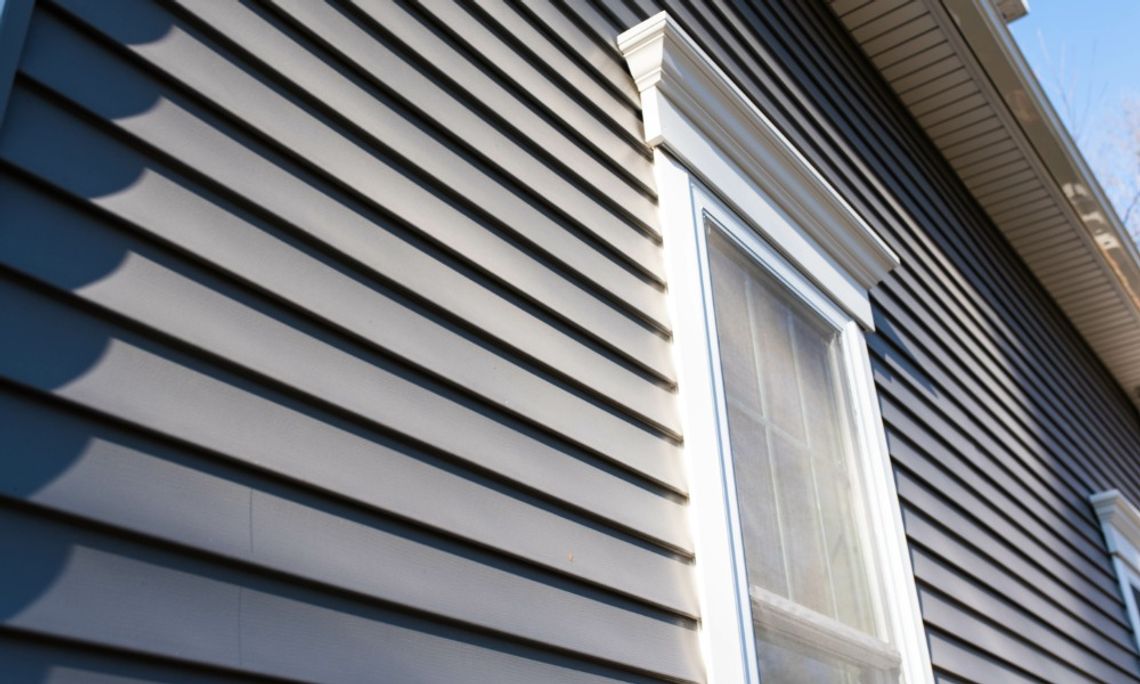
Updating your siding can transform your home’s appearance. However, choosing new siding involves more than selecting a color. You need to think about your home’s condition, your local climate, and the amount of maintenance you want to handle. You should also consider how different materials affect your budget. Understanding what to consider before updating your home’s siding can help you make confident decisions. Careful planning allows you to choose an exterior that looks attractive and performs reliably.
Evaluate the Condition of Your Current Siding
Before replacing your siding, determine why the existing material needs attention. Some homeowners want a visual update, while others need to address damage. Look for warped boards, loose panels, cracks, or areas where moisture may enter. Peeling paint and recurring mildew can also indicate that your current siding no longer protects the house.
A thorough inspection can reveal whether you need replacement or targeted repairs. If damage appears, replacing everything may provide more consistent protection. Understanding the condition of the underlying sheathing helps you prepare for repairs before contractors install the new material.
Think About Your Local Climate
Weather should influence your siding choice because exterior materials face exposure to conditions. Homes in areas with heavy rain need siding that handles moisture well. Properties that experience intense sunlight may benefit from materials and finishes that resist fading or deterioration.
Temperature changes can also cause certain materials to expand and contract. Ask how each option performs during the weather patterns. Selecting siding that suits your climate can reduce premature wear and help the exterior maintain its appearance. A material that works well in one region may require more upkeep or repairs in another.
Compare Siding Material Options
Siding materials differ in appearance, durability, maintenance needs, and installation requirements. Vinyl remains popular because it offers many styles and generally requires limited care. Fiber cement can mimic other exterior materials while providing a substantial appearance. Wood offers natural character but typically requires more attention to protect it from weather exposure.
Consider how each material will complement your home’s architectural style. The right choice should support the appearance you want without creating maintenance demands you cannot meet. Review product warranties, since coverage can vary by manufacturer and material.
Set a Realistic Project Budget
Establish your budget before becoming attached to a siding option. Material prices represent only part of the expense. Installation complexity, removal of old siding, and repairs can increase project costs. Features such as multiple stories or unusual architectural details may affect labor requirements.
Build some flexibility into your budget for issues that contractors may uncover after removing the old exterior. Hidden water damage or deteriorated sheathing can require attention before installation continues. Planning for additional work can prevent unexpected repairs from disrupting your project or forcing you to compromise on improvements.
Consider Energy Efficiency
New siding gives you an opportunity to evaluate your home’s exterior insulation. Siding itself does not determine energy performance, but the replacement process can expose gaps or weaknesses in the exterior envelope. Contractors may recommend improvements that help reduce unwanted heat transfer.
Ask how the siding system works with house wrap, insulation, and exterior components. Proper installation matters because gaps can undermine the benefits of materials. Improving exterior performance during a siding project may make indoor temperatures easier to manage while helping the home feel more comfortable.
Choose a Style That Complements Your Home
Siding covers a large portion of your exterior, so its design influences the appearance of the property. Consider your home’s architectural features before choosing panel profiles, textures, or colors. A siding style that suits the structure can create a more cohesive result than one selected only because it follows a current trend.
Think about permanent features that will remain after the project, such as roofing and masonry. Time to compare samples in light can prevent surprises because siding colors often look different outdoors than they do in a showroom. You can also ask how trim details will affect the finished appearance. These planning choices help the exterior feel intentional rather than disconnected from the rest of the property. Your new siding should coordinate with these elements rather than compete with them. Siding replacement can become one of the renovations that increase your home's curb appeal when the design enhances the character of the property.
Understand Maintenance Requirements
Every siding material requires some level of care. Before making a decision, consider how much time and money you want to devote to exterior maintenance. Some materials need periodic painting or sealing, while others mainly require cleaning and inspections.
Ask about maintenance concerns for each product you are considering. Learn how homeowners should address stains, minor damage, or loose sections. You should also find out whether repairs require specialized materials. Choosing siding with manageable maintenance requirements can make it easier to keep your home’s exterior in good condition over time.
Plan the Timing of the Project
Siding replacement can temporarily affect access around your property. Contractors need room to remove existing materials and install new panels safely. Think about upcoming events or home projects before scheduling the work. Coordinating projects can prevent crews from interfering with each other and reduce unnecessary disruptions.
Weather may influence the installation schedule. Ask your contractor whether temperature or moisture conditions affect the siding product you selected. Planning around suitable conditions can support a smoother installation. You should also discuss the estimated timeline so you understand how long areas of the exterior may remain under construction.
Research Installation Professionals Carefully
Quality siding can perform poorly when installers use incorrect techniques. Look for a contractor with experience installing the specific material you choose. Ask potential contractors about local licensing and insurance coverage. Review their workmanship warranties carefully before hiring. You can also request examples of siding projects that resemble your home.
Discuss how the crew will protect landscaping and handle removed materials during the project. A proposal should explain the scope of work and identify what the quoted price includes. Clear expectations can reduce confusion and make it easier to address questions throughout the project.
Prepare for a Successful Siding Update
New siding can improve your home’s exterior while addressing wear that has developed over time. A successful project begins with understanding your current siding and selecting a replacement that fits your climate. Your budget and maintenance preferences should guide decisions, while your home design should shape the final selection. Working with an experienced contractor can help you identify hidden concerns and understand the requirements of your chosen material. When you know what to consider before updating your home’s siding, you can approach the project with realistic expectations and create an exterior that supports your home’s appearance and protection.
Comment
Comments