
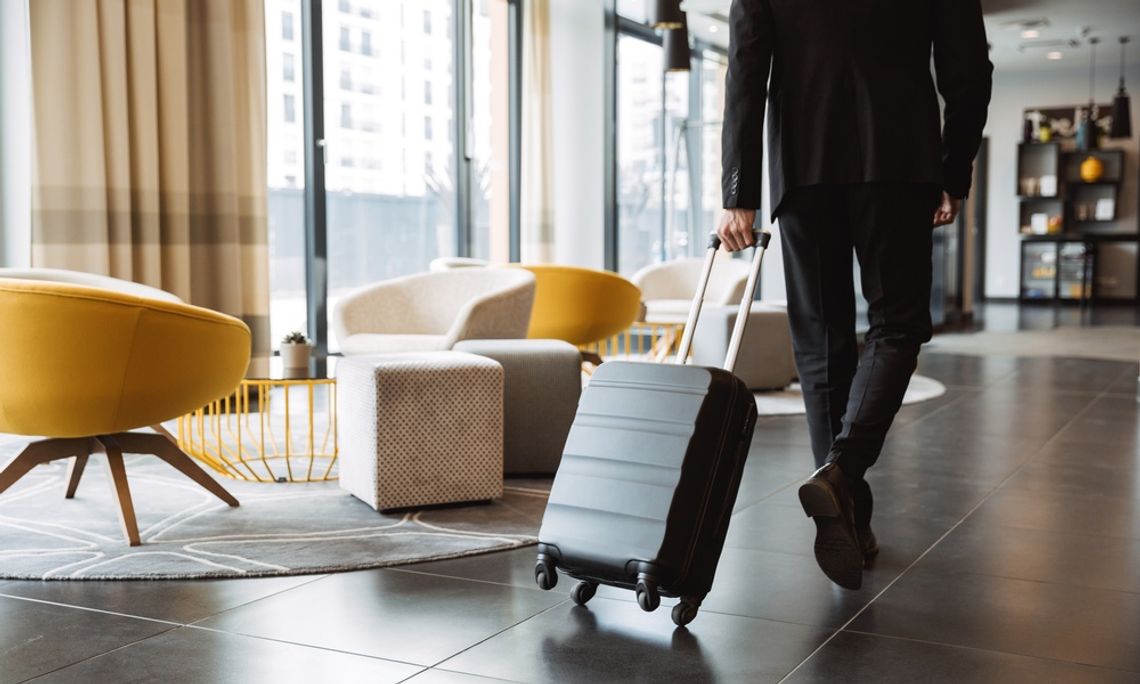
Travelers often remember how a hotel made their stay easier and more enjoyable long after they leave. Comfortable rooms matter, but thoughtful amenities can turn an ordinary visit into an experience guests want to repeat. The best additions do not need to feel extravagant; they simply need to provide genuine value while complementing the property’s atmosphere. Consider these hotel amenity ideas that will impress your guests when looking for practical ways to elevate stays and create a stronger impression.
Create a More Inviting Fitness Center
A cramped room with a treadmill and a few weights may technically qualify as a fitness center, but it rarely creates an appealing experience. Hotels can make exercise facilities more inviting by providing enough room for guests to move comfortably. Quality cardio equipment and strength-training options can accommodate travelers with different workout routines without overwhelming the space.
Good lighting also changes how a fitness room feels. Natural light can make the environment seem open, while thoughtfully placed artificial lighting keeps the area welcoming during early morning or evening workouts. Mirrors can help guests monitor their form and make smaller fitness rooms feel larger.
Many travelers want to maintain routines away from home, and guests prefer hotels with modern fitness spaces when choosing accommodations that support their lifestyle. A clean, well-designed facility can become a meaningful selling point rather than an overlooked extra.
Upgrade the In-Room Coffee Experience
Morning coffee can influence the start of a guest’s day, making the in-room beverage station a small amenity with significant potential. Instead of relying on basic equipment and limited choices, hotels can provide a quality coffee maker that guests can operate easily. Fresh coffee options can make the experience feel more intentional.
Presentation matters as well. A clean, organized station with attractive mugs creates a polished impression than supplies scattered across a counter. Hotels can also include tea options for guests who prefer something different without turning the station into a crowded collection of products.
Guests receive a convenient morning ritual without needing to leave their room immediately after waking. This modest upgrade can add a sense of comfort that feels especially valuable during busy business trips or leisurely weekend stays.
Offer Convenient Device Charging
Travelers rely heavily on phones, tablets, and other electronics, so easy access to power has become an important part of a comfortable hotel room. Guests should not need to move furniture or unplug lamps just to charge a phone beside the bed. Hotels can install conveniently positioned outlets with USB charging ports near nightstands and work areas.
Integrating wireless chargers into bedside tables reduces cable clutter while giving compatible devices an easy place to recharge. Clear placement helps guests notice and use the feature without needing instructions.
Hotels should also inspect charging equipment regularly. A damaged port can create frustration precisely because guests expect these features to work reliably. Providing dependable, easy-to-reach charging options accommodates modern travel habits and makes the room more convenient for guests.
Provide Flexible Work Areas
Business travelers are not the only guests who may need a functional place to use a laptop. Someone might need to answer a few emails, plan the next part of a trip, or join a virtual meeting. A comfortable workspace gives visitors the flexibility to handle these tasks without balancing a computer on the bed.
In-room desks should provide sufficient surface space while fitting naturally into the room layout. An adjustable chair can make longer work sessions comfortable. Hotels can support these areas with dependable internet access and conveniently located power outlets.
Properties can also create shared work areas in the lobby or another common space. These areas give guests an alternative when they want to leave their rooms without sacrificing productivity. Thoughtful seating arrangements can offer a degree of privacy while preserving the energy of a communal setting.
Improve the Outdoor Gathering Spaces
Outdoor areas can extend the usable footprint of a hotel and give visitors another place to unwind. A patio with comfortable seating can encourage guests to enjoy pleasant weather rather than staying in their rooms. Shade structures can make the area more usable during sunny parts of the day.
A resort might create relaxed lounge areas near landscaped grounds, while an urban hotel could make a rooftop terrace feel like a peaceful retreat from surrounding streets. The goal is to create a setting that feels purposeful instead of treating outdoor space as an afterthought.
Warm fixtures along walkways and seating zones can create a comfortable atmosphere while helping guests navigate safely. Regular maintenance also keeps furniture and surrounding surfaces looking cared for.
Make Hydration Easier
Guests frequently purchase bottled water because they want a convenient way to stay hydrated during their stay. Hotels can provide filtered water refill stations in accessible common areas, allowing visitors to fill reusable bottles before leaving for the day. This feature can work especially well near the lobby or fitness center.
In-room reusable bottles or clean glassware can complement refill stations and make the amenity easier to use. Clear signage should tell guests where they can find water without requiring them to ask the front desk.
This approach turns a basic need into a thoughtful experience. Guests can quickly get water before a workout or after returning from a long day. Convenience makes the amenity valuable even though the concept itself remains simple.
Add Thoughtful Local Touches
Amenities can also help a hotel connect guests with the surrounding destination. Locally made snacks in the room can introduce visitors to regional flavors while giving the stay a sense of place. Hotels can partner with nearby makers when those products suit the property’s identity.
A curated neighborhood guide can provide similar value. Instead of overwhelming guests with every nearby attraction, hotels can share useful recommendations that reflect different visitor needs. Staff knowledge can make these suggestions feel more personal and relevant.
Local touches work best when they feel authentic rather than promotional. Guests often appreciate details that help them understand where they are and encourage them to experience the destination beyond the hotel property.
Turn Useful Amenities Into Memorable Experiences
The strongest amenities solve real problems while making a stay feel more comfortable. Hotels do not need to add elaborate features simply for novelty. They can focus on thoughtful improvements that fit their guests’ habits and the property’s overall identity. When evaluating hotel amenity ideas that will impress your guests, prioritize additions that visitors can use naturally throughout their stay. Consistent attention to these details can strengthen the guest experience and give travelers meaningful reasons to return.
Comment
Comments