
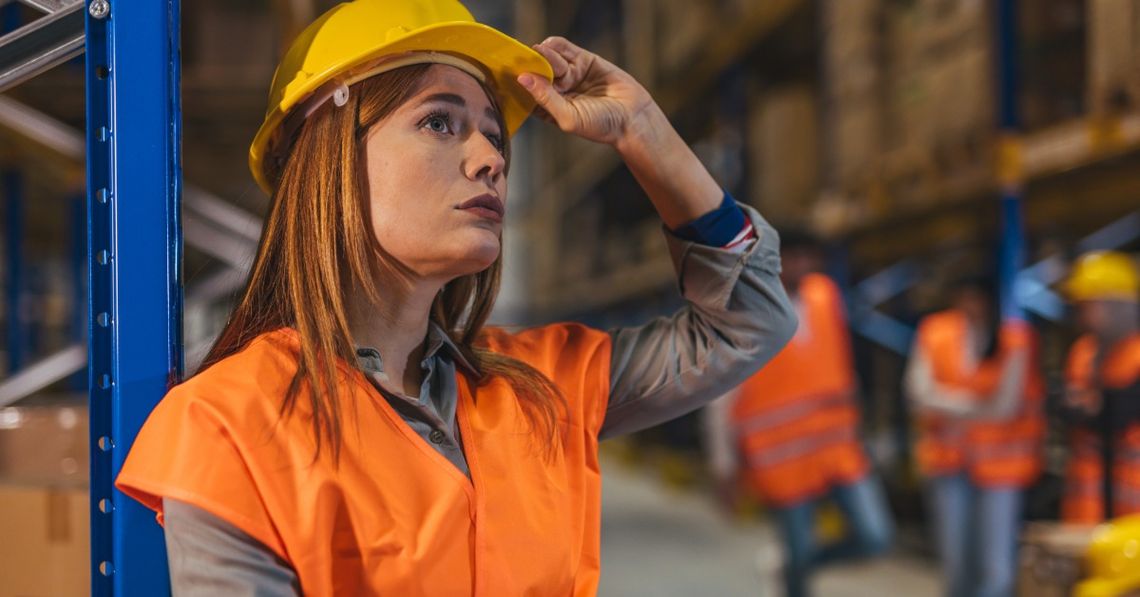
Warehouses keep products moving, but that fast pace creates many opportunities for injuries. Team members may work around forklifts, heavy pallets, sharp packaging materials, loud equipment, or dusty environments throughout the day. The right personal protective equipment can reduce those risks and help employees work with greater confidence.
PPE needs can vary from one warehouse to another, so companies should match protective gear to the tasks employees perform. A worker who unloads freight may need different protection than someone who handles chemicals or operates cutting tools. By choosing PPE carefully and replacing worn items as needed, managers can create a safer, more efficient work environment. Keep reading to explore the essential PPE supplies for warehouse team members.
Safety Glasses
Eye protection is essential in many warehouse environments, especially when workers handle packaging materials, debris, dust, or tools that can send particles into the air. Safety glasses should fit comfortably and not slip during movement. Workers also need clear lenses that won’t impair visibility. Scratched or damaged lenses can make it harder to see clearly, creating another safety concern.
Some tasks may require goggles instead of standard glasses. Goggles offer greater coverage and can help protect against dust or certain liquids. Supervisors should review job hazards before determining which type of eye protection is appropriate for each task. Employees should also clean their eye protection regularly so dirt and smudges don’t interfere with their vision.
Work Gloves
Hands face constant exposure to rough cartons, splinters, sharp edges, and repetitive handling. Work gloves can provide a useful barrier while improving grip.
Different glove materials suit different tasks. Coated gloves can help workers maintain traction when handling boxes or tools. Cut-resistant gloves may suit jobs that involve sharp materials or blades. Chemical-resistant options may make sense when workers handle cleaning products or other substances that can irritate skin.
Fit plays an important role. Gloves that feel too loose can bunch around the fingers, while tight gloves can restrict movement. Workers need enough dexterity to grip objects securely without constantly adjusting their gloves. Managers should also replace gloves when holes, thinning material, or damaged seams appear.
High-Visibility Clothing
Busy warehouses often include forklifts, pallet jacks, delivery vehicles, and other moving equipment. High-visibility clothing can make employees easier to spot in active work zones. Vests often provide a simple option because employees can wear them over normal work clothes. Facilities with outdoor loading areas may also use high-visibility jackets during colder months.
Color and reflective striping help drivers identify workers from multiple angles. However, bright clothing shouldn’t replace safe traffic patterns or operator awareness. It works best as part of a broader warehouse safety program. Supervisors should inspect high-visibility gear and replace clothing when dirt, fading, or damaged reflective material reduces visibility.
Protective Footwear
Warehouse employees spend long hours standing and walking across hard floors, and many handle heavy products that could fall. Protective footwear can help guard against impact injuries. Some jobs may call for steel-toe or composite-toe boots, while others may benefit from shoes that include puncture-resistant soles.
Slip-resistant tread also deserves attention. Warehouse floors can become slippery when moisture, oil, or packaging debris collects in walking areas.
Comfort still counts. Shoes that cause discomfort can contribute to fatigue during long shifts. Employers should look for footwear requirements that balance protection with practical movement. The right footwear can help workers navigate ramps, loading areas, and warehouse aisles with better stability.
Hearing Protection
Some warehouses contain equipment that produces high noise levels throughout the day. Conveyors, machinery, compactors, or loading operations can create enough sound to make hearing protection necessary. Earplugs offer a compact option that workers can use in designated areas. Earmuffs provide another choice and may work better for employees who frequently move in and out of loud zones.
Managers should identify which work areas require hearing protection and communicate those expectations clearly. Employees also need PPE that fits correctly. Poorly fitted earplugs can reduce protection, while uncomfortable earmuffs may tempt workers to remove them.
Hard Hats
Warehouses that store products at height may require head protection in areas where falling objects pose a risk. Hard hats can help protect workers from items that fall from racks or from overhead work areas. Facilities with construction activity may also require them during repairs or renovations.
Workers should inspect hard hats for cracks or other damage before use. The suspension system inside the hat also needs attention because it helps absorb impact. Employees shouldn’t drill holes into hard hats or make modifications that could weaken the shell. Managers should replace damaged equipment rather than trying to repair compromised protective gear.
Respiratory Protection
Dust, fumes, or airborne particles can create respiratory concerns in certain warehouse environments. Workers who handle powdered products, chemicals, or dusty materials may need additional protection. The correct respirator depends on the specific hazard. A simple disposable mask doesn’t provide the same protection as a properly selected respirator.
Employers should evaluate airborne hazards before choosing equipment. Some respirators also require fit testing and employee training. Workers need to follow storage and replacement instructions so masks and filters continue functioning as intended. Dirty or damaged respiratory equipment can compromise protection.
Protective Clothing
Some warehouse jobs require more coverage than everyday work clothes can provide. Aprons, coveralls, sleeve protectors, or disposable garments can protect clothing and skin from dust, dirt, liquids, or irritating materials. The right option depends on the products that employees handle.
Protective clothing should allow enough movement for lifting and reaching. Oversized garments can snag on equipment, while restrictive clothing can interfere with normal movement.
Facilities should also consider temperature. Heavy protective clothing may cause discomfort in warm environments, so employers need to select materials that match the work conditions. Workers should replace torn or heavily contaminated garments rather than continue using compromised protection.
PPE Storage Supplies
Protective equipment also needs a clean, organized place between uses. Warehouses should provide storage areas that keep PPE away from dirt, moisture, and damage. Hooks, lockers, bins, and wall-mounted organizers can help workers find their equipment quickly. Good storage also makes it easier to notice when supplies run low.
Many operations managers purchase bulk industrial supplies so they can maintain a reliable stock of commonly used PPE. Keeping extra gloves, safety glasses, and high-visibility gear on hand can help managers replace damaged items without unnecessary delays. Organized inventory can also prevent employees from sharing worn or poorly fitting equipment simply because replacements aren’t available.
Replacement Supplies
PPE doesn’t last forever. Even durable equipment can wear down after repeated use. Managers should create simple inspection routines for commonly used gear. Workers can check gloves for tears, glasses for scratches, and footwear for damaged soles before starting work.
Supervisors should also encourage employees to report damaged PPE right away. Workers shouldn’t feel pressure to keep using equipment that no longer provides reliable protection. A steady replacement schedule can prevent small equipment problems from becoming larger safety concerns.
Training and Fit
Buying PPE only solves part of the problem. Employees also need to understand how to wear it correctly. Managers should explain which equipment each task requires and demonstrate proper use. Workers need clear instructions about adjustment, inspection, cleaning, and replacement.
Fit deserves equal attention. A poorly fitting glove, respirator, hard hat, or vest may not function as intended. Employees should have access to sizes and styles that suit their needs. When workers understand why PPE matters and how to use it, they can make better decisions during busy shifts.
Build a Stronger PPE Program
Warehouse safety depends on more than posting rules near the break room. Team members need dependable equipment that matches the hazards they face every day.
When companies have essential PPE supplies for warehouse team members, they reduce the safety risk for everyone. A well-organized PPE program makes safety easier to follow because employees can find the right gear when they need it. When warehouses keep protective equipment available and in good condition, workers can focus more confidently on moving products and completing their tasks.
Comment
Comments