
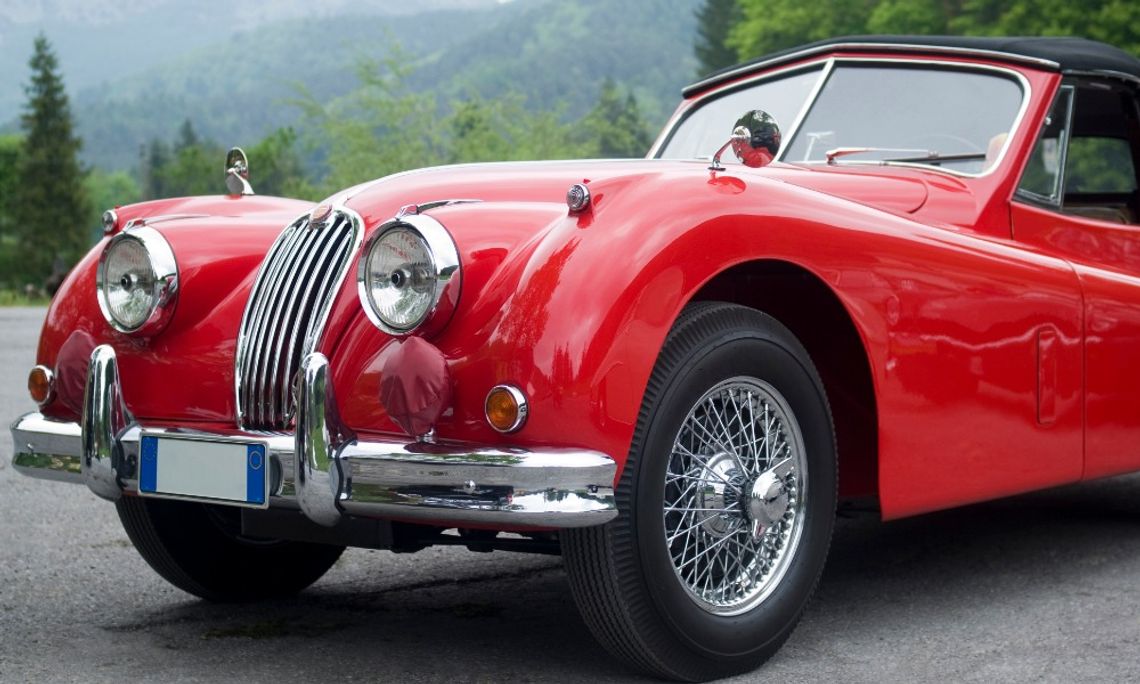
Owning a classic car is different from owning an ordinary vehicle. The appeal is not simply getting from one place to another; it is the mechanical feel, distinctive styling, familiar engine note, and connection to another era that make an older automobile worth preserving.
At the same time, nostalgia does not require putting up with every shortcoming of decades-old automotive technology. Thoughtful improvements can make a classic car safer, more dependable, and more enjoyable without losing its character.
Start With Reliability Before Chasing Power
Extra horsepower is exciting, but reliability is usually the better starting point. A classic that starts consistently and stays cool in traffic is more enjoyable than a powerful car that spends most of its time in the garage.
Begin by evaluating the basic systems. Aging hoses, belts, wiring, fuel lines, seals, and cooling components can cause problems even when the engine itself is healthy. Replacing worn pieces with quality modern equivalents improves dependability without noticeably changing the vehicle’s appearance or driving character.
The ignition system is another area where discreet updates make a difference. Depending on the vehicle, modern ignition components provide more consistent operation while remaining largely hidden from view. Owners concerned about authenticity can often retain original components so future caretakers have the option of returning the car to its earlier specification.
Make Performance Changes That Suit the Car
There is a temptation to judge an engine modification solely by how much horsepower it adds. With a classic vehicle, drivability matters just as much. A mild engine combination that delivers smooth power across the rev range can be more satisfying on the road than an aggressive setup designed primarily for maximum output. Carburetor selection and tuning, ignition timing, intake design, exhaust flow, gearing, and camshaft choice all influence how an older car behaves.
The important point is to consider these parts as a system. A dramatically oversized carburetor or radical camshaft, for example, may look impressive on a specification sheet but make an otherwise pleasant street car harder to drive.
This is particularly relevant for popular American V8 classics. Owners considering performance modifications for small-block Corvettes benefit from looking at how intake, exhaust, ignition, and related changes complement one another rather than choosing upgrades based on horsepower claims alone.
Improve Braking Without Changing the Experience
Better acceleration tends to get attention, but better braking can make a much greater difference in everyday confidence. Before replacing an entire braking system, determine whether the existing equipment is simply worn or poorly adjusted. Fresh brake fluid, properly functioning wheel cylinders or calipers, good hoses, quality friction material, and correct adjustment can transform a neglected system.
For cars that are driven regularly, more substantial upgrades may also make sense. Improvements such as dual-circuit master cylinders or appropriately designed disc-brake conversions provide additional reassurance. Whenever brakes are modified, compatibility among the master cylinder, booster, proportioning, wheels, and other components deserves careful attention.
Give the Suspension a Refresh
Sometimes, the best suspension upgrade is simply making the original suspension work as intended. Bushings deteriorate, springs settle, shocks wear out, and steering components develop play. The change happens gradually enough that an owner may not realize how much precision has disappeared over the years.
Replacing worn components restores steering response and ride quality while preserving the original personality. For drivers wanting a little more control, carefully chosen shocks, sway bars, or modest spring changes can reduce body movement without making the ride harsh.
Tires deserve attention as well. They are the vehicle’s connection to the road, affecting braking, steering, acceleration, and ride comfort. Modern tire construction provides meaningful benefits, although size and appearance should remain appropriate for the car.
Keep the Cabin Looking Like a Classic
Modern conveniences make an old car easier to use, but the interior is one place where restraint pays off. Rather than filling the dashboard with contemporary screens and controls, look for technology designed to blend into vintage surroundings. Some audio systems combine traditional-looking knobs and displays with modern connectivity. Charging ports can be installed discreetly, and upgraded speakers can often fit behind factory-style grilles.
Air conditioning also makes warm-weather driving far more comfortable. Well-planned systems can provide modern cooling while keeping visible changes relatively subtle.
Upgrade Lighting and Electrical Components Carefully
Older electrical systems were designed for the equipment available when the vehicle was built. Decades of repairs and added accessories can strain wiring that may already be brittle or corroded.
Inspecting grounds, connections, fuse protection, charging components, and wiring condition is worthwhile. Electrical upgrades should focus on safety and dependable operation rather than simply adding more accessories.
Lighting can also benefit from careful modernization. Brighter, more effective illumination improves nighttime visibility, but replacements should suit the vehicle visually. The goal is better performance without making a vintage front end look like it belongs on a brand-new car.
Preserve Original Parts Whenever Practical
One useful principle for modifying a classic is reversibility. When a functioning original component must be removed, label it and store it properly when practical. Original air cleaners, wheels, radios, intake components, steering wheels, and similar pieces may be valuable to a future owner or useful during a later restoration.
Avoiding cutting, drilling, and permanent structural changes also leaves more options open. A modification that bolts into existing mounting points is generally easier to reconsider than one requiring extensive alteration of original sheet metal.
Documentation helps, too. Keep receipts, part numbers, photographs, specifications, and notes about modifications. Years later, knowing exactly which master cylinder, alternator, ignition component, or suspension part was installed can make maintenance considerably easier.
Let the Car Decide How Far To Go
There is no universal formula for enhancing an older automobile. That is why improving a classic car without losing its character ultimately comes down to understanding what makes a particular vehicle enjoyable in the first place. If its mechanical simplicity is part of the appeal, preserve it. If the engine’s personality defines the car, build around that personality rather than replacing it. If original styling matters most, choose upgrades that stay out of sight.
A classic does not need to drive exactly like a modern automobile to be enjoyable. In fact, removing every old-fashioned sensation can remove much of the reason for owning one.
The most successful modifications solve genuine problems. They make the engine easier to live with, the brakes more reassuring, the steering more precise, or the cabin more comfortable while leaving the essential experience intact. When done thoughtfully, an improved classic still feels unmistakably like the car its designers intended.
Comment
Comments