
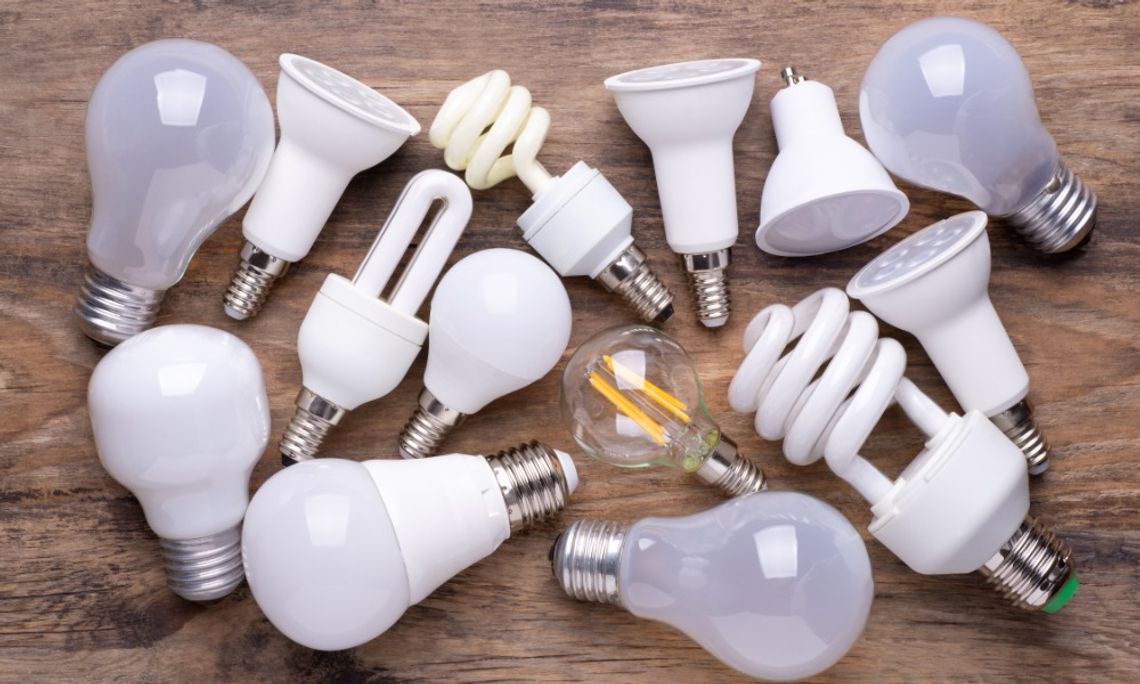
Need new lightbulbs for your home's fixtures? There are dozens of bulb styles, shapes, brightness levels, and color options out there! How do you know which one is best for each fixture?
To help you choose, start with the fixture itself and work outward from there. The right bulb needs to fit the socket, provide enough light for the space, and create the kind of lighting you want. What types of lightbulbs should you use in your fixtures? Here are the details to consider before you stock your cart.
Start With the Fixture's Bulb Base
The socket determines which bulb base belongs in the fixture. Standard table lamps and ceiling fixtures commonly take medium screw bases, while chandeliers and decorative fixtures may use smaller candelabra bases. Other fixtures use pin bases or specialty connections.
Check the existing bulb or the fixture label before buying a replacement. The base has to match the socket exactly. A bulb with the wrong base won't install properly, even if its shape and brightness look perfect for the room.
Check the Fixture's Maximum Wattage
Fixtures have maximum wattage ratings that tell you how much electrical power they're designed to handle. You can find this rating on a label near the socket or inside the fixture.
A bulb that exceeds that rating can create more heat than the fixture is designed for. That can damage the socket or other parts of the fixture over time. LEDs use less power than incandescent bulbs, so they give you more brightness without pushing past the fixture's wattage limit.
Match the Bulb Shape to the Fixture
Bulb shape affects both fit and appearance. Standard A-shaped bulbs are common in lamps, while globe bulbs appear frequently in vanities and exposed fixtures. Candle-shaped bulbs work with chandeliers because their narrow profile fits smaller shades and decorative sockets.
The amount of space around the bulb narrows your options. An enclosed shade may leave little room for a wide bulb, while an open fixture leaves the bulb visible. The right shape should fit comfortably inside the fixture without crowding the surrounding material.
Pick Brightness Based on the Room
Lumens tell you how much light a bulb produces, so they're more useful than wattage when comparing brightness. A higher lumen rating produces more light.
Think about what happens in the room before choosing your lumen level. A hallway needs enough illumination for safe movement, while a kitchen work area needs brighter lighting for food preparation. A bedside lamp serves a different purpose and doesn't need to flood the entire bedroom with light. The fixture's location should guide how bright its bulb needs to be.
Choose a Lighting Temperature
The next thing you'll want to consider is lighting temperature. Lighting temperature can affect the mood of a room; warmer light creates a softer, more relaxed atmosphere, while cooler light gives a room a brighter, more alert quality.
Color temperature appears in kelvins, or K. Bulbs around 2700K provide the warmer light commonly used in bedrooms and living rooms. Higher temperatures around 4000K or 5000K produce cooler light that works in areas where you want greater visibility and a more energized atmosphere.
Look at the Fixture's Bulb Orientation
A bulb doesn't always sit upright. Some fixtures position it horizontally, point it downward, or place it at an angle. That orientation affects where the light travels and how the bulb looks inside the fixture.
Directional bulbs make sense when the fixture is designed to send light toward one area. Recessed fixtures, for instance, commonly use bulbs that concentrate light below them. A lamp with a shade needs a bulb that spreads light through the surrounding space rather than sending most of it in one narrow direction.
Use Dimmable Bulbs With Dimmer Switches
A fixture connected to a dimmer needs a bulb designed for dimming. Standard LEDs may flicker, buzz, or refuse to dim properly when paired with a dimmer switch.
Look for "dimmable" on the bulb packaging before installing it. Compatibility between the LED and the dimmer also affects performance, particularly with older switches designed for incandescent bulbs. If a newly installed LED acts strangely at lower settings, the bulb isn't automatically defective. The dimmer itself may need to support modern LED lighting.
Consider Enclosed Fixtures Before Choosing LEDs
An enclosed fixture traps more heat around the bulb than an open lamp or exposed ceiling fixture. Not every LED bulb is rated for that environment.
Check the packaging for an enclosed-fixture rating before placing an LED inside a sealed globe or covered ceiling light. Heat buildup may shorten the life of a bulb that wasn't designed for the fixture. Manufacturers identify compatible bulbs on the package, so you don't have to guess based on the bulb's appearance or assume that every LED belongs in every socket.
Choose Damp-Rated Bulbs Where Moisture Is Present
Bathrooms, covered porches, and other moisture-prone areas need bulbs suited to those conditions. A damp-rated bulb is designed for locations where moisture exists without direct exposure to water.
Outdoor fixtures may require a wet-location rating when rain or other water can reach the bulb. The fixture itself also needs the proper rating for its location. Check both pieces rather than relying on the bulb alone. A bulb designed for damp conditions doesn't turn an indoor fixture into an outdoor-rated one.
Pay Attention to Color Rendering
Color rendering describes how accurately colors appear under a light source. You'll see this listed as CRI, or Color Rendering Index. A higher CRI lets colors appear closer to the way they look under natural light.
This becomes relevant around mirrors, clothing, artwork, food preparation areas, and other spaces where color perception affects what you're doing. Many residential LED bulbs now offer a CRI of 80 or higher, while bulbs rated 90 or above provide greater color accuracy. Compare the CRI when two bulbs otherwise have similar specifications.
Think About Decorative Bulbs in Exposed Fixtures
Some fixtures put the bulb front and center, so its appearance becomes part of the fixture design. Decorative bulbs come in globe, tubular, candle, and vintage-inspired shapes that look intentional without a shade hiding them.
Filament-style LEDs give you the appearance associated with older incandescent designs without the same energy use. If the bulb will stay visible, choose a decorative style that works with the fixture rather than treating the bulb as an afterthought. Just verify that the decorative option still meets the fixture's technical requirements.
Let the Fixture Lead the Choice
The best bulb isn't a single style that belongs throughout the entire house. Each fixture has its own socket, wattage limit, size restrictions, and lighting purpose. Those details narrow the options before preferences such as brightness and color temperature enter the conversation.
Once you know what the fixture accepts, choosing among compatible bulbs gets much simpler. Keep the technical requirements first, then select the light output and appearance you want. What types of lightbulbs should you use in your fixtures? The answer starts with what each fixture was designed to use.
Comment
Comments