
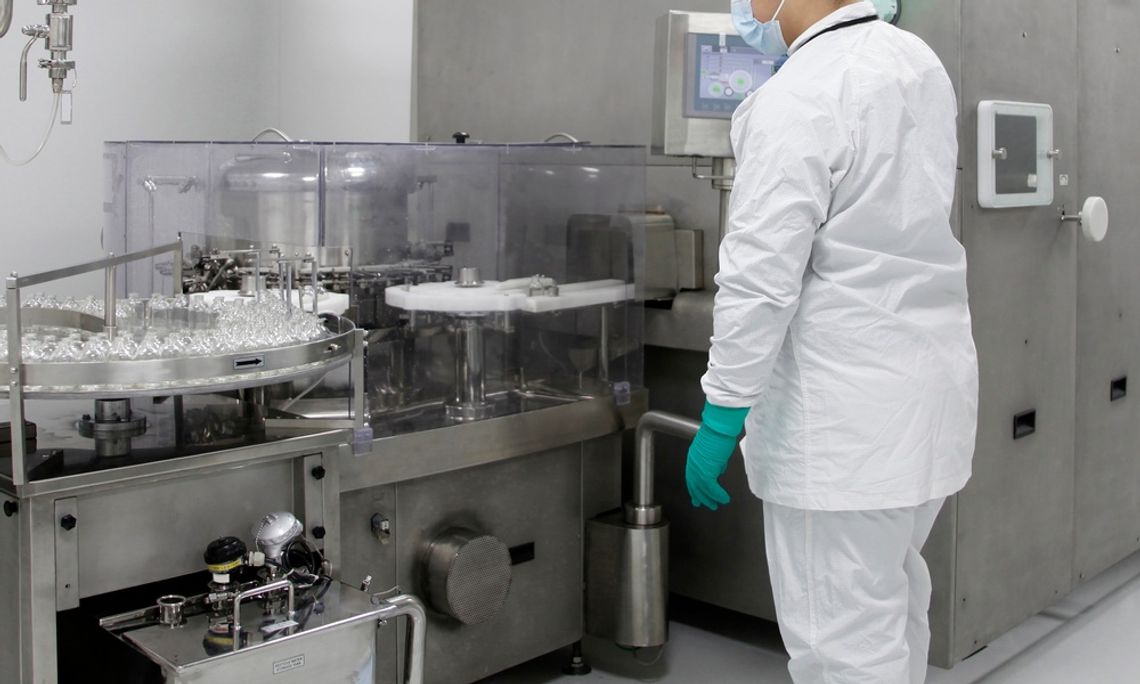
Efficiency looks different when a pharmaceutical manufacturer produces hundreds or thousands of units instead of operating a continuous, high-volume production line.
A small batch may require many of the same preparation, documentation, inspection, and equipment steps as a much larger run. As a result, setup time can consume a substantial share of the production schedule. Frequent product changes can add another layer of complexity.
For manufacturers, research laboratories, and other organizations working with limited quantities, improving efficiency in small-batch drug production does not simply mean making equipment run faster. A more useful approach focuses on reducing unnecessary movement, shortening changeovers, controlling variation, and matching equipment to the actual workload.
Map the Entire Production Process
Improvement starts with understanding where time goes.
Teams may focus on the filling, tableting, encapsulation, or packaging stage because that is where the physical product moves through equipment. Yet delays can occur well before or after that point.
A complete workflow review should examine material staging, equipment preparation, documentation, cleaning, inspection, labeling, and final transfer. Managers can then identify steps that regularly create queues or force employees to wait.
The most productive changes are not always dramatic. Moving frequently used materials closer to the point of use may reduce repeated trips across a facility. Preparing approved documents before a scheduled run can prevent administrative delays. Clear handoffs between production and quality personnel can also keep completed work from sitting unnecessarily.
Reduce the Burden of Changeovers
Changeovers are a common loss of time in small-batch drug production, so reducing their burden is an expedient way to improve efficiency.
Each transition can involve cleaning, line clearance, equipment adjustments, material verification, and documentation. Manufacturers cannot simply eliminate required controls, but they can examine whether the workflow surrounding those controls creates avoidable delays.
Standardize Repeatable Tasks
Clear procedures can reduce uncertainty during recurring changeovers. Operators should know which tools, materials, documents, and settings they need before work begins.
Visual checklists can also help teams confirm the completion of each step without relying on memory.
Consistency becomes especially valuable when multiple employees work with the same equipment. A standard sequence makes performance easier to evaluate and can reveal when a particular step takes longer than it should.
Prepare Before the Equipment Stops
Whenever procedures permit it, teams can stage approved materials and documentation before the current run ends.
This approach separates preparation from machine downtime. Instead of waiting until production stops to gather everything for the next batch, employees can have appropriate resources ready at the staging area.
Choose Equipment That Fits the Batch Size
More capacity does not automatically create more efficiency.
Equipment for high throughput may require setup, floor space, or supporting processes that make little sense for a small run. In a development environment or specialty production setting, flexibility may provide more value than maximum speed.
Manufacturers should consider the complete operating cycle when comparing equipment. Setup requirements and cleaning demands matter alongside throughput. The ability to store settings or accommodate several product formats may also affect how well a machine performs in a changing production schedule.
Make Product Identification Part of the Workflow
Marking and identification can become another source of delay when a facility handles changing product formats.
Traditional processes may require printing components or consumable materials. For a short run, marking preparation can represent a meaningful share of total production time.
Digital printing can give manufacturers more flexibility when identification requirements change between limited production runs. For teams comparing marking options, understanding the benefits of capsule printing machines for small batch runs can help clarify how faster setup changes, adaptable printing methods, and reduced preparation demands may support a more efficient workflow.
Improve Material Staging and Inventory Control
A production run can only move as efficiently as its materials.
Missing components can stop work abruptly. Excess material at the workstation can create clutter and complicate accountability. Small-batch operations need a stable middle ground.
Facilities can improve staging by defining what should arrive at the production area, when it should arrive, and where employees should place it. Labels and designated storage locations can make materials easier to identify without creating unnecessary handling.
Inventory records also need to reflect actual availability. When production planners have accurate information, they can schedule batches with greater confidence and reduce last-minute substitutions or delays.
Use Digital Records To Reduce Administrative Friction
Documentation protects traceability and quality, but inefficient recordkeeping can slow a small run considerably.
Paper-based processes may require employees to enter the same information more than once. Manual transcription can also create opportunities for mistakes that require investigation or correction.
Digital systems can streamline approved recordkeeping processes when organizations configure and validate them appropriately. Staff may gain faster access to current procedures, equipment histories, batch information, and other authorized records.
Build Quality Checks Into Production
Waiting until the end of a batch to discover a problem can waste material and staff time.
In-process checks give teams opportunities to identify deviations earlier. The exact controls depend on the product and approved manufacturing process, but the broader principle remains straightforward: quality should operate as part of production rather than as a final hurdle after production ends.
Operators should understand which conditions require attention and how to document an issue. Clear escalation procedures also help prevent uncertainty when results fall outside expected limits.
Maintain Equipment Before Downtime Becomes Urgent
Small production schedules can make equipment failures especially disruptive.
When a facility allocates little time to a particular batch, a breakdown may affect the rest of the day's work. Preventive maintenance can reduce that risk by addressing wear, calibration needs, and other equipment concerns on a planned schedule.
Maintenance records can reveal patterns as well. If a component frequently causes interruptions, managers can investigate the underlying cause rather than treating every failure as an isolated event.
Review Performance After Every Run
Continuous improvement works best when teams examine real production experience.
A short post-run review can identify slips in the schedule, which preparation steps worked well, and whether employees encountered unnecessary delays. The review does not need to become another burdensome meeting. It should capture information that can improve the next comparable batch.
Useful measures may include changeover duration, unplanned downtime, rejected units, documentation corrections, and the time spent waiting for materials or approvals.
Small Improvements Can Have an Outsized Effect
The economics of a limited run make every setup task and interruption more visible. A process that adds only a few minutes to a large production campaign may represent a significant percentage of a much shorter batch.
That makes disciplined workflow design especially valuable in*small-batch drug production.
Manufacturers can improve efficiency by examining the complete process, selecting equipment suitable for smaller volumes, and reducing unnecessary changeover time. Better staging, thoughtful documentation, and planned maintenance can strengthen the operation further.
Comment
Comments