
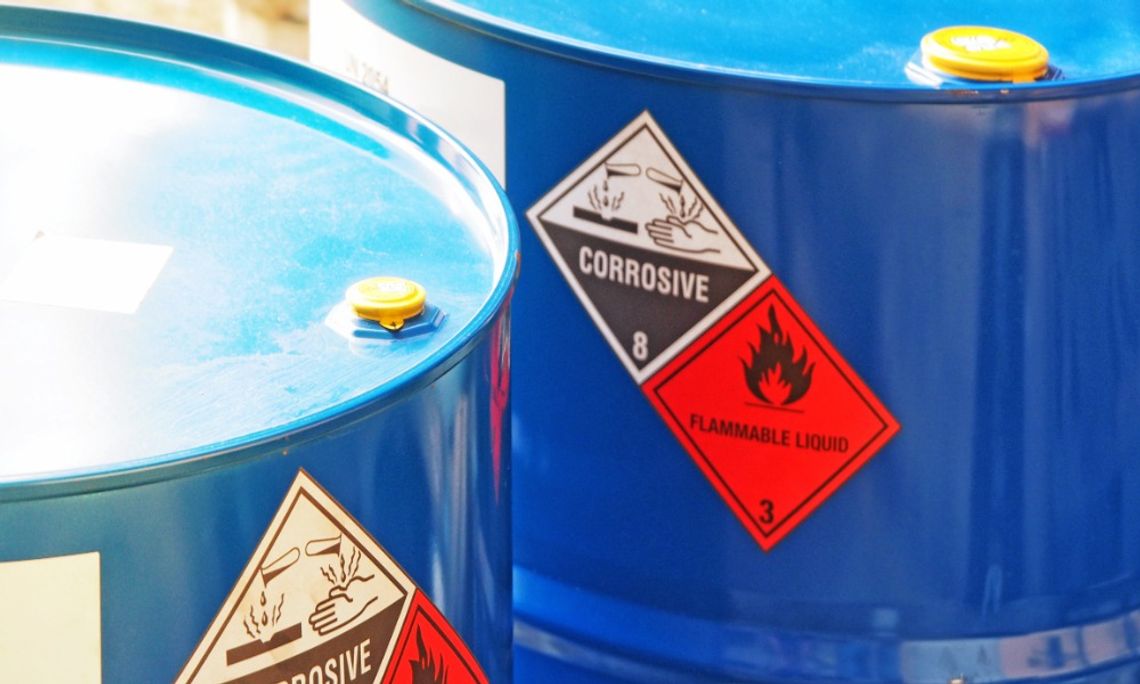
Chemicals play an important role in many industries, from construction and manufacturing to facility maintenance. However, improper chemical storage can create serious safety hazards for employees and visitors. Spills, accidental exposure, and dangerous chemical reactions can cause injuries or interrupt daily operations. Every workplace that handles hazardous substances needs reliable storage practices to protect its employees and maintain a safe environment.
Understanding chemical storage requirements can help businesses prevent accidents while meeting important safety regulations. Whether your facility handles small quantities of cleaning products or large volumes of industrial chemicals, proper storage starts with understanding the risks and taking appropriate precautions.
Understand the Hazards of Different Chemicals
Not every chemical presents the same risks. Some substances can cause burns or respiratory irritation, while others create fire hazards or react dangerously with certain materials. Understanding these differences helps businesses develop appropriate storage procedures.
Before storing any chemical, review its safety data sheet (SDS). Manufacturers provide these documents to explain potential hazards, handling instructions, and storage requirements.
Pay particular attention to chemical stability, temperature limitations, and potential reactions with other substances. Employees should understand these risks before handling chemicals.
Separate Incompatible Chemicals
One of the biggest mistakes workplaces make involves storing incompatible chemicals together. Certain substances can react violently when they come into contact, potentially producing toxic gases or causing fires.
For example, bleach should never come into contact with ammonia or acids. Oxidizers can also create dangerous situations when stored near combustible materials.
Organize chemical storage areas according to compatibility rather than convenience. Use separate cabinets or designated storage zones when necessary.
Always consult safety data sheets and applicable compatibility charts before placing chemicals together.
Choose Appropriate Chemical Storage Containers
Chemical containers must withstand the substances they hold. Using unsuitable containers can lead to deterioration, leaks, or dangerous reactions.
Select containers that match the chemical manufacturer's recommendations. Consider factors such as corrosion resistance and compatibility with the contents.
Avoid transferring chemicals into ordinary beverage bottles or food containers. These containers can confuse employees and increase the risk of accidental exposure.
Inspect containers regularly for cracks, corrosion, or damaged seals. Replace compromised containers promptly to prevent spills.
Maintain Clear and Accurate Chemical Labels
Proper labeling helps employees identify chemicals quickly and understand their hazards. Every chemical container should display accurate information about its contents.
Workplaces must follow applicable OSHA Hazard Communication Standard requirements when labeling hazardous chemicals.
Labels should communicate relevant hazards and provide appropriate precautionary information. Never remove manufacturer labels without providing compliant replacements when necessary.
If employees transfer chemicals into secondary containers, determine whether workplace labeling requirements apply.
Clear labels also help emergency responders recognize dangerous substances during incidents.
Plan Chemical Storage Areas Carefully
The location of your chemical storage area can significantly affect workplace safety. Choose locations that minimize exposure to vehicle traffic and routine employee activities.
Avoid placing chemical containers near busy walkways or emergency exits. Storage arrangements should allow workers to access materials without creating unnecessary hazards.
When staging for chemical storage, consider how employees will receive deliveries, move containers, and retrieve supplies throughout the workday.
Keep storage areas organized so employees can identify potential problems quickly. Facilities should also provide enough space for safe inspections and maintenance.
Control Temperature and Ventilation
Environmental conditions can affect chemical stability and increase workplace hazards. Some substances become unstable when temperatures rise, while others require protection against freezing.
Review manufacturer recommendations to determine appropriate storage temperatures.
Keep chemicals away from direct sunlight and unnecessary heat sources. Facilities that store flammable liquids must also evaluate potential ignition hazards.
Ventilation requirements depend on the chemicals involved and their storage conditions. Certain materials may require specialized ventilation systems to prevent hazardous vapor accumulation.
Consult qualified safety professionals when designing storage areas for particularly hazardous substances.
Use Proper Chemical Storage Cabinets
Specialized storage cabinets provide additional protection for certain hazardous materials. However, businesses must choose cabinets that match the substances they intend to store.
Flammable liquid cabinets help address specific fire safety concerns, while corrosive chemical cabinets offer materials that resist chemical damage.
Different cabinet designs serve different purposes. A cabinet suitable for flammable liquids may not provide appropriate protection for corrosive substances.
Check applicable fire codes and workplace regulations before selecting storage equipment. Avoid overcrowding cabinets or exceeding manufacturer capacity limits.
Prevent Chemical Spills With Secondary Containment
Even durable containers can develop leaks. Secondary containment helps prevent escaping chemicals from spreading throughout storage areas.
Spill pallets, containment trays, and compatible collection systems can capture leaks before they reach nearby equipment or drainage systems.
Consider these factors when choosing containment equipment:
- Chemical compatibility: Select materials that resist the substances you store.
- Containment capacity: Ensure the system meets applicable requirements and anticipated spill volumes.
- Container accessibility: Allow employees to inspect containers without unnecessary handling.
- Maintenance needs: Choose equipment that employees can clean and inspect safely.
Inspect containment systems regularly and address accumulated liquids according to established procedures.
Keep Chemical Storage Areas Secure
Chemical storage areas should have appropriate security measures to prevent unauthorized access.
Depending on the materials involved, businesses may need locked cabinets, controlled access points, or restricted storage rooms.
Keep hazardous substances away from employees who lack appropriate training. Security measures also help prevent accidental handling and unauthorized removal. However, access controls should never interfere with emergency response procedures.
Make sure authorized employees understand how to access chemicals safely during normal operations.
Train Employees on Safe Chemical Handling
Even the best storage equipment cannot eliminate hazards when employees lack proper training.
Workers should understand chemical labels, safety data sheets, and workplace handling procedures before working with hazardous substances.
Training should explain how to recognize damaged containers and report unsafe storage conditions.
Employees also need to understand which protective equipment their tasks require.
Supervisors should provide additional instruction whenever facilities introduce new chemicals or change storage procedures.
Regular refresher training helps reinforce safe habits and keeps employees aware of workplace expectations.
Prepare for Chemical Storage Emergencies
Every workplace that stores hazardous chemicals should establish appropriate emergency procedures. Employees need clear instructions for responding to spills, accidental exposure, and other chemical incidents.
Emergency plans should identify evacuation routes and explain when employees must contact emergency responders. Facilities should maintain suitable emergency equipment based on their chemical hazards and applicable requirements.
Never expect untrained employees to clean up dangerous chemical spills. Certain incidents require specialized personnel and protective equipment.
Practice emergency procedures periodically so employees understand their responsibilities.
Follow Chemical Storage Regulations
Chemical storage requirements vary depending on the substances involved, storage quantities, and workplace operations.
OSHA establishes important workplace safety requirements, including hazard communication obligations. Fire codes and environmental regulations may impose additional restrictions.
Businesses should also consider requirements from state agencies and local authorities. Review applicable regulations when introducing new chemicals or expanding storage capacity.
Maintaining accurate chemical inventories can simplify compliance efforts and help facilities identify potential storage concerns.
Inspect and Maintain Storage Areas Regularly
Chemical storage safety requires ongoing attention. Containers and storage equipment can deteriorate over time, especially in demanding industrial environments.
Establish a routine inspection schedule that reflects the hazards present.
Look for damaged containers, missing labels, and signs of leakage. Check storage cabinets and containment systems for deterioration. Address problems immediately rather than waiting for scheduled maintenance. Document inspections when workplace procedures or regulations require records.
Consistent maintenance helps businesses identify developing hazards before they cause serious incidents.
Make Chemical Storage a Workplace Priority
Safe chemical storage protects employees while supporting efficient daily operations. Businesses that understand chemical hazards and maintain suitable storage equipment can reduce unnecessary risks.
Review your current storage practices and identify areas that need improvement. Encourage employees to report concerns and participate in maintaining organized storage spaces.
With appropriate planning, training, and regular inspections, workplaces can create safer conditions for everyone who handles hazardous materials.
Comment
Comments