
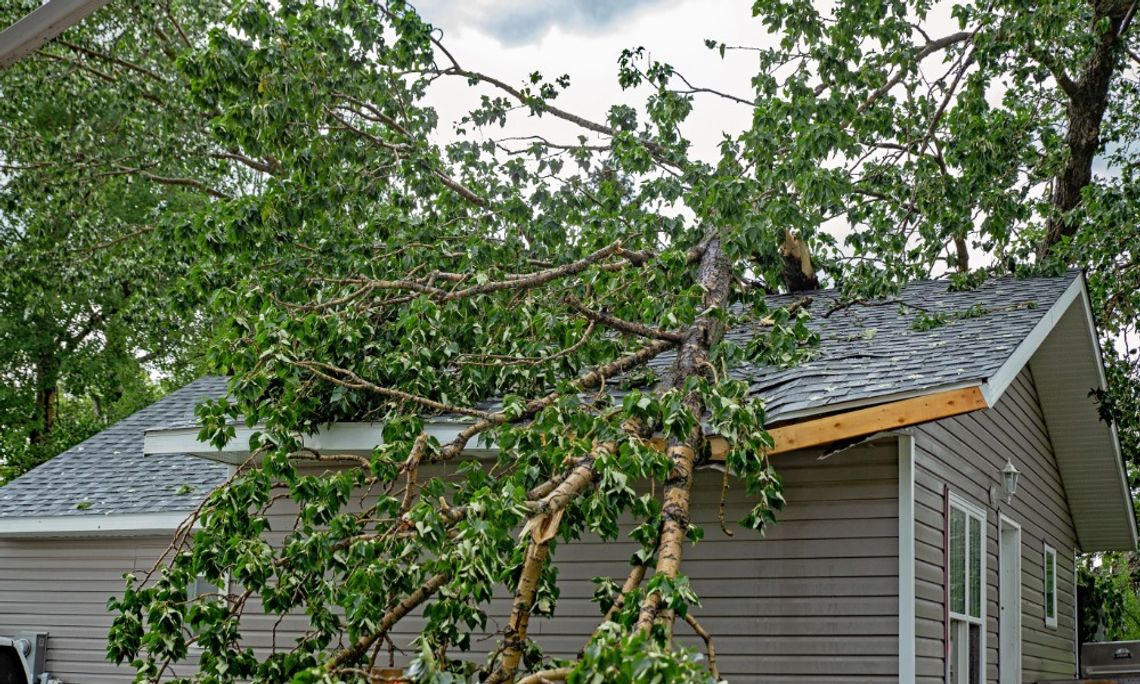
When a strong storm hits Pelahatchie, you may feel pressure to get your house back to normal. It's tempting to replace anything that looks damaged, but rushing Mississippi storm repairs can create new problems when water reaches areas you haven't considered.
The key difference is between acting quickly to stop further damage and finishing the repairs before your home is ready. Address active leaks and start safe drying as soon as possible. However, rebuilding too early can leave moisture trapped behind a fresh-looking surface.
Find the Source Before Covering the Damage
A water stain shows where the moisture ended up, not where it entered. It could have entered through a breach beneath the shingles and run down a roof beam before reaching your bedroom ceiling. Painting over the stain won't stop the next storm from doing it again.
Note when the damage first appeared and whether it increases after further rain. Look for changes in the area in question without opening walls or entering unsafe areas. If the source is still unclear, hire a qualified contractor to trace the leak before you proceed with interior repairs.
Check the Roof Before Repairing the Ceiling
After high winds, a missing shingle is usually a simple repair. The real issue is whether the rain got underneath the roof and soaked the material below. You need to be on the ground, not up on a storm-damaged roof! A roofer will inspect the area and decide whether the roof decking itself needs looking at. They'll also check for any openings around the roof penetrations where wind-driven rain got in.
Stop New Water First
Temporary protection will, of course, stop further rain from getting into the house while you complete the permanent work. An experienced roofer will be the one to do any work that involves climbing or working near any electricals. Once the roof is no longer leaking, then it's time to look at the ceiling.
Let Wet Walls Dry Before Installing New Drywall
Imagine a storm pushes water right under a window and the drywall on the other side ends up quite soft. You replace that panel, paint the wall, and it's all good again. A few weeks later, you get the same corner going off with a musty smell.
The issue may actually be behind the wall. Water often reaches the framing or insulation beyond the visible stain. A restoration professional typically uses moisture readings to determine which areas still need drying.
Act as soon as water gets into the home. Mold can be a problem within 24 to 48 hours, so waiting to start cleanup is risky. Get the water out and start drying safely; just don't go back in to rebuild until you're certain the materials are dry.
Look Under the Flooring Before Replacing Boards
Stormwater doesn't need to cover the whole room to damage the floor. Rain blowing through a poorly sealed door can collect along the wall and work its way under the laminate boards. From above, the floor may look absolutely fine for several days.
If the edges are beginning to lift or the floor feels spongy, check the moisture underneath before you replace the individual boards. Putting new flooring over a damp subfloor just traps the problem under another layer.
Inspect Crawl Spaces After Heavy Rain
For homes with crawl spaces, storm cleanup doesn't stop at the living room door. Heavy rain can leave standing water under the house even if every floor inside looks completely dry.
Take a safe look down the access opening without stepping into standing water or disturbing any suspect wiring. If you see any pooling water, arrange an inspection to determine how it got there. Deal with poor drainage around the foundation first!
Before you approve the project, ask your contractor about the damp wooden supports if water has been sitting underneath the house. New materials won't fix the root of the problem if moisture is still an issue.
Don't Rush Repairs Around Electrical Damage
Water at the outlets is a different matter entirely. Never touch wet electrical equipment, and don't enter standing water near exposed wiring! Always involve a qualified electrician before restoring power to affected areas.
For visible damage in safe areas, make a short record before cleanup changes the scene:
- Photograph each damaged room from multiple angles.
- Take close-up photos of the visible watermarks.
- Record the date you first noticed the damage.
- Save the receipts for any emergency protective work.
These records will help you explain what happened to your insurer and repair contractors.
Check Moisture Conditions Before Adding Insulation
After the damaged wall materials are stripped away, replacing the insulation is often the next step. The timing, though, is critical. You don't want a crew to seal up a section of the house while the framing is still damp.
This is how humidity affects polyurethane foam insulation. Excessive surface moisture will interfere with the foam's adhesion and cure. A competent installer will check surface conditions and follow the product's installation requirements rather than relying on how the surface looks.
Insulation shouldn't be used to hide an unsorted leak. Get the repair and drying done first, then discuss with your contractor what insulation material to use.
Ask Your Contractor To Explain the Repair Sequence
After a storm, you're likely to be tempted to hire the first available crew and get the job done. A clear repair plan is more important than a quick promise, though.
Ask the contractor how they'll confirm the original water source is no longer a threat to the house. Who will measure the moisture levels, and when do they expect to start the rebuild? A good answer will link each stage to a reason rather than just give you a completion date.
Be very careful with estimates that only address the visible stain. If a contractor suggests replacing only the ceiling without checking the leak above it, ask what they've done to rule out further damage.
Give Your Home a Repair That Lasts
Pelahatchie homeowners will tell you how fast a good downpour can change the day. A wet ceiling or a damaged floor doesn't necessarily have to turn into a second repair bill. The key is knowing which Mississippi storm repairs shouldn't be rushed and which steps require immediate attention.
Stop water from getting in, dry safely, and get qualified people to confirm what's ready for rebuilding. Fix the cause before you go any further with the appearance restoration, as that will give your home the best possible chance of staying dry when the next storm comes.
Comment
Comments