
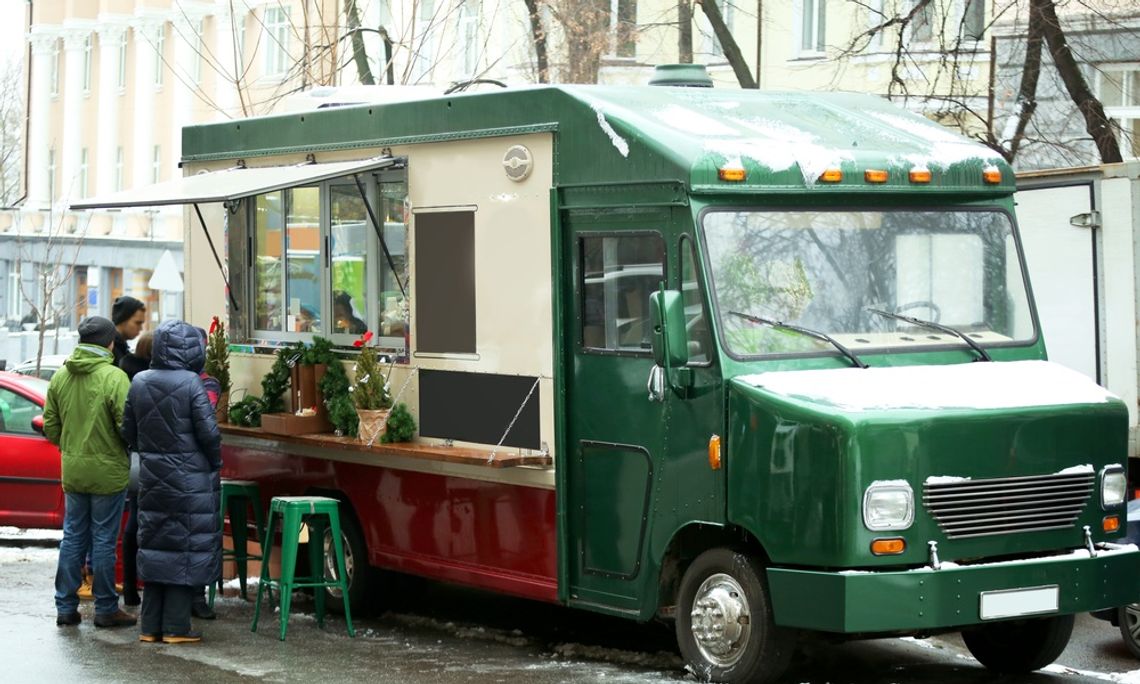
That's why the best tips for winterizing your food truck focus on preparation before the first major cold snap. A few practical adjustments can protect your equipment, improve daily operations, and help your business stay productive throughout the season. Use the tips below to prepare your truck for winter as soon as possible.
1. Protect Your Food Truck's Water System From Freezing
Your food truck's plumbing system deserves special attention before temperatures drop below freezing. Freshwater tanks, wastewater tanks, pipes, and faucets can suffer serious damage when trapped water expands into ice. Even a small crack can cause leaks that interrupt food preparation and sanitation.
Start by inspecting exposed pipes and vulnerable connections. Insulate accessible water lines with materials suitable for the vehicle's plumbing setup, and consider approved tank heaters for areas exposed to prolonged cold. Heated storage compartments may also help protect water tanks during service.
For trucks that won't operate during winter, drain the water system according to the equipment manufacturer's instructions. Remove residual water from vulnerable components and follow approved winter storage procedures. Never introduce automotive antifreeze into potable water systems.
2. Inspect Your Battery and Electrical Connections
Cold temperatures can reduce battery performance, especially in trucks that sit idle between events. A battery that worked perfectly during summer might struggle to start the engine on a frosty morning. Have the battery tested before winter arrives. Inspect terminals for corrosion, check cable connections, and examine visible wires for damage. Replace weak batteries before they leave you stranded at an event.
Your food truck's electrical demands extend beyond the engine. Refrigerators, lights, ventilation equipment, and other appliances place additional demands on the electrical system. You should also learn how to waterproof truck LEDs using pigtail connectors before winter weather rolls in. Have a qualified technician inspect the power distribution setup and confirm that generators and auxiliary batteries meet your equipment's requirements.
3. Prepare Your Heating and Ventilation Systems
A comfortable workspace helps your crew maintain productivity during long winter shifts. Cold air can enter through service windows, doors, and poorly insulated sections of the truck, leaving employees uncomfortable even when kitchen equipment produces heat. Inspect the cab heater and ventilation equipment before temperatures fall. Clean accessible vents, replace dirty filters where applicable, and have faulty heater components repaired.
Commercial kitchen ventilation still requires proper airflow during cold weather. Never block exhaust vents or reduce required ventilation to conserve heat. Gas-fired appliances and heaters must have adequate combustion air, and any supplemental heater must be approved for the vehicle and its intended use.
4. Check Tires, Brakes, and Other Road Safety Components
Winter roads introduce hazards that food truck operators can't afford to overlook. Snow and black ice can affect traction, particularly when a fully loaded truck travels through unfamiliar streets. Inspect tire tread depth, sidewalls, and inflation pressure. Cold temperatures can lower tire pressure, so check it regularly against the vehicle manufacturer's specifications.
Brakes deserve equal attention. Have worn pads and other brake system concerns addressed before the season begins. Check windshield wipers, washer fluid, exterior lights, and mirrors to maintain visibility during snowy conditions. For trucks that travel through regions with heavy snowfall, appropriate winter-rated tires may provide better traction. Keep an ice scraper and emergency supplies aboard for unexpected weather delays.
5. Seal Doors, Windows, and Exterior Openings
Small gaps around doors and windows can allow cold drafts into your food truck. They may also let moisture enter, potentially damaging interior surfaces and electrical components. Inspect door seals, window gaskets, and service hatch weatherstrips for cracks or deterioration. Replace damaged materials and check that every latch closes securely.
Pay particular attention to the service window. Employees may open it dozens of times during a busy lunch rush, and cold air can quickly lower interior temperatures. A properly fitted service-window cover or weather barrier can reduce exposure between orders, provided it doesn't obstruct required ventilation or emergency exits. These adjustments can help create a more comfortable workspace without major renovations.
6. Adapt Your Food Storage Practices for Cold Weather
Winter temperatures don't eliminate the need for careful food storage. Extreme cold can create unexpected complications for ingredients and equipment. Fresh produce, sauces, and beverages stored near exterior walls may freeze overnight. Meanwhile, refrigerators still need to maintain safe temperatures, even when the surrounding air feels cold.
Use calibrated thermometers to monitor refrigerated and frozen products. Keep refrigerated food at 41°F or below, unless applicable local regulations require a stricter standard, and maintain frozen products at appropriate storage temperatures. Avoid placing temperature-sensitive ingredients directly against poorly insulated surfaces. During overnight shutdowns, move vulnerable inventory into approved temperature-controlled storage if the truck can't maintain suitable conditions.
7. Develop a Practical Winter Maintenance Routine
Winter preparation shouldn't end after one inspection. Regular maintenance helps you catch minor problems before they become expensive disruptions.
Create a straightforward checklist that employees can follow before and after service:
- Check tire pressure and visible tire damage.
- Inspect water lines and tanks for leaks or ice.
- Test exterior lights and windshield wipers.
- Confirm safe food storage temperatures.
- Examine door seals and service-window closures.
- Remove snow and ice from access points.
- Verify that heaters and ventilation operate properly.
- Drain or protect vulnerable plumbing after service.
Assign responsibility for each task and document any problems that require repairs. A consistent routine can also help new employees understand your winter operating procedures.
8. Plan Ahead for Snowstorms and Unexpected Closures
Even a well-maintained food truck can face interruptions during severe winter weather. Road closures, cancelled events, and unsafe travel conditions can quickly disrupt a planned service schedule. Review weather forecasts before each event and establish clear criteria for postponements or cancellations.
Give employees enough notice when schedules change, and communicate updates through your business's usual customer channels. It's also worth identifying safe overnight parking locations with suitable electrical access and weather protection. If a storm prevents travel, a secure parking arrangement can help protect your vehicle and equipment.
Keep Your Food Truck Ready for Winter Service
The best tips for winterizing your food truck come down to preparation, consistent maintenance, and practical adjustments to your daily operations. From protecting water lines to inspecting tires and adapting your menu, each precaution helps reduce the chance of costly interruptions. Winter doesn't have to mean fewer opportunities for your food truck business. With dependable equipment and a thoughtful maintenance routine, you can continue serving customers even as temperatures fall. Rely on the guide above to keep your business prepared for another busy season.
Comment
Comments