
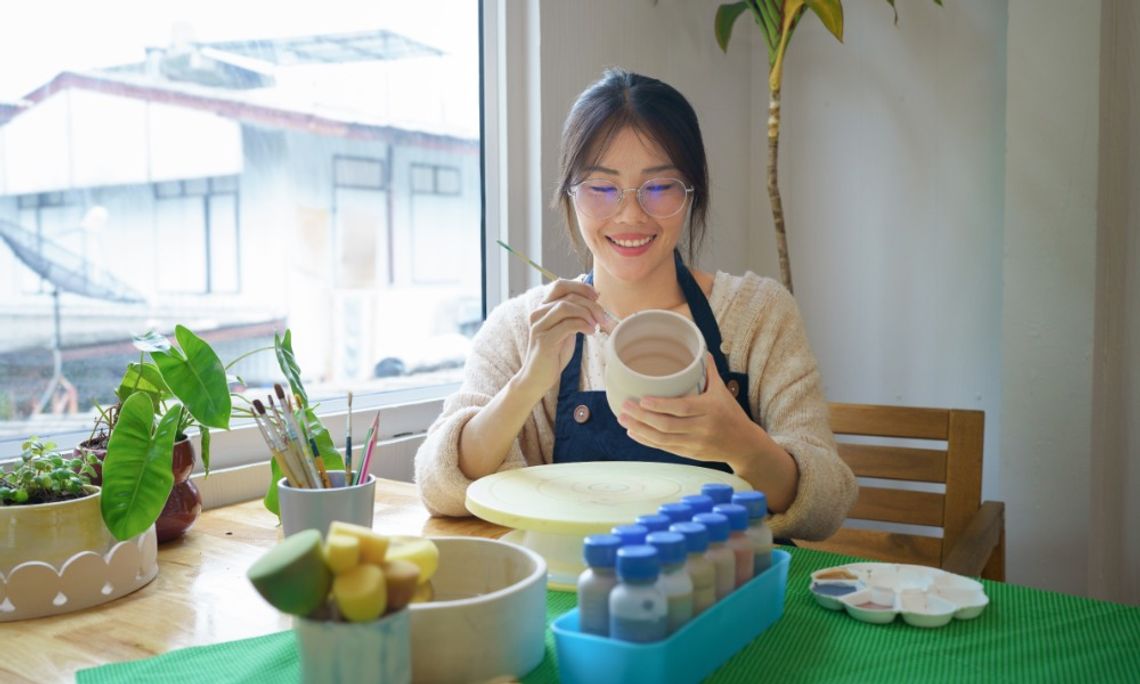
Finding time to relax can feel difficult when your schedule constantly demands your attention. Between work responsibilities and everyday obligations, you might struggle to enjoy a few quiet moments. Fortunately, certain hobbies can help you slow down and focus on the present. Mindfulness involves paying attention to your surroundings and experiences without constantly worrying about everything else. You don't need expensive equipment or special training to practice it, either. Many enjoyable activities naturally encourage mindfulness through concentration and repetition. Whether you prefer creative projects or outdoor activities, exploring hobbies that support mindfulness can help you manage stress and develop healthier habits.
Gardening Helps You Focus on the Present
Gardening offers an excellent opportunity to practice mindfulness while spending time outdoors. Planting seeds and caring for growing plants require patience and attention. Instead of rushing through your responsibilities, you can concentrate on individual gardening tasks.
Pay attention to the texture of the soil and the appearance of your plants. Notice how different plants respond to sunlight and watering schedules. These observations encourage you to remain present.
You don't need a large backyard to enjoy gardening. Small indoor plants or container gardens provide similar opportunities for relaxation. Start with manageable plants and gradually expand your collection as your confidence grows.
Painting Encourages Creative Expression
Painting allows you to express yourself without worrying about finding the perfect words. As you select colors and apply paint, you naturally concentrate on your movements.
You don't need professional artistic skills to benefit from painting. Simple watercolor projects or abstract designs can provide enjoyable experiences.
Try approaching painting without expecting a particular result. Focus on the process rather than judging your finished artwork. This mindset helps reduce perfectionism and encourages experimentation.
Setting aside even twenty minutes for painting can give you a welcome break from demanding responsibilities. Over time, you might discover that creative expression becomes an important part of your relaxation routine.
Model Railways Promote Patience and Concentration
Building and maintaining model railways can provide hours of relaxing entertainment. This hobby involves creating miniature landscapes and arranging tracks to develop realistic railway environments.
Each project encourages careful attention to detail. You might spend an afternoon adjusting miniature scenery or organizing your collection of railway accessories.
Even routine maintenance tasks, such as cleaning up your model railway, offer opportunities to practice mindfulness. Concentrating on individual components helps you avoid distractions and appreciate your progress.
Model railways also allow you to work at your own pace. You can complete small improvements whenever your schedule allows, making this hobby particularly convenient for busy individuals.
Cooking Encourages Awareness Through Your Senses
Cooking offers another practical way to incorporate mindfulness into your daily routine. Preparing meals involves numerous sensory experiences that encourage attention.
Notice the aroma of fresh ingredients and the sounds that different cooking techniques produce. Concentrate on chopping vegetables carefully rather than rushing through preparation.
Consider trying these mindful cooking habits:
- Read your recipe completely before beginning.
- Prepare ingredients without checking your phone.
- Pay attention to changing textures while cooking.
- Taste your food throughout the preparation process.
- Enjoy your finished meal without unnecessary distractions.
Cooking also provides a satisfying sense of accomplishment. Preparing something delicious encourages you to appreciate your efforts while developing useful culinary skills.
Knitting Helps Establish a Relaxing Rhythm
Knitting combines repetitive movements with creative expression, making it an appealing mindfulness hobby. Following patterns requires concentration, while familiar knitting techniques can encourage relaxation.
Beginners can start with straightforward projects like scarves or dishcloths. These items help you practice basic techniques without overwhelming yourself.
As your abilities improve, you can experiment with more complicated patterns. However, you don't need challenging projects to enjoy knitting.
Focus on the movement of your hands and the texture of your yarn. If you make a mistake, approach it patiently rather than becoming frustrated. Learning to accept small imperfections can strengthen your mindfulness practice.
Walking Encourages Mindful Observation
Walking provides an accessible hobby that requires very little preparation. Although many people walk primarily for exercise, you can also use walking to practice mindfulness.
Choose a comfortable route through your neighborhood or a nearby park. Instead of concentrating on your destination, pay attention to your surroundings.
Notice changes in temperature and listen to nearby sounds. Observe how your body feels as you move.
You can also experiment with walking without headphones. Removing constant entertainment allows you to concentrate more fully on your environment.
Even short walks can provide opportunities to disconnect from everyday distractions. Consistency matters more than distance when developing mindful walking habits.
Photography Encourages Attention to Detail
Photography helps you notice interesting details that you might otherwise overlook. Searching for appealing compositions encourages you to observe your environment carefully.
You don't need an expensive camera to begin. Your smartphone provides everything necessary for experimenting with basic photography.
Try photographing ordinary objects from different perspectives. Notice how lighting affects their appearance and how changing your position alters the composition.
Nature photography offers particularly enjoyable opportunities for mindful observation. However, photographing architecture or everyday household objects can work equally well.
Avoid concentrating exclusively on capturing perfect photographs. Enjoy discovering interesting subjects and experimenting with different approaches.
Pottery Provides a Hands-On Experience
Pottery encourages mindfulness through physical engagement with materials. Shaping clay requires steady movements and careful concentration.
Working with clay also provides an opportunity to explore different textures. You can focus on how the material responds as you shape it.
Beginners might enjoy hand-building techniques before experimenting with pottery wheels. Simple bowls or decorative objects make excellent introductory projects.
Pottery also encourages patience because projects often require multiple sessions. Rather than rushing toward completion, you can appreciate each stage of the creative process.
Local pottery classes can help you develop foundational skills while introducing you to others who enjoy creative hobbies.
Journaling Helps You Understand Your Thoughts
Journaling provides a simple way to practice mindfulness without purchasing specialized equipment. Writing about your experiences encourages reflection and helps you recognize recurring thought patterns.
You don't need to document every detail of your day. Instead, concentrate on whatever feels important at the moment.
Some people enjoy writing about positive experiences, while others prefer exploring challenging emotions. Both approaches can support greater self-awareness.
Try writing for ten minutes without worrying about grammar or sentence structure. Allow your thoughts to develop naturally.
Regular journaling can help you recognize how different activities affect your mood and identify opportunities for healthier routines.
Birdwatching Encourages Quiet Observation
Birdwatching combines outdoor exploration with focused attention. Identifying birds requires patience because their movements and behaviors can change quickly.
Start by observing birds around your home. Learn to recognize common species through their appearance and distinctive calls.
As your interest develops, visit local parks or nature preserves to discover additional species.
Birdwatching encourages you to remain quiet and observe your surroundings without interfering. This approach naturally supports mindfulness.
You can also keep a notebook documenting your observations. Recording interesting behaviors helps you appreciate small discoveries while improving your identification skills.
Find a Mindfulness Hobby That Fits Your Lifestyle
Mindfulness doesn't require complicated routines or major lifestyle changes. The right hobby can help you develop greater awareness while enjoying activities that genuinely interest you.
Experiment with different options until you discover something that feels comfortable. Consider your available time and personal preferences before committing to new equipment or classes.
Remember that mindfulness involves appreciating the experience rather than achieving perfect results. Give yourself permission to learn gradually and enjoy the process.
Whether you choose gardening or photography, regular participation can help you create meaningful opportunities for relaxation. Start small, stay curious, and make mindfulness an enjoyable part of your everyday life.
Comment
Comments