
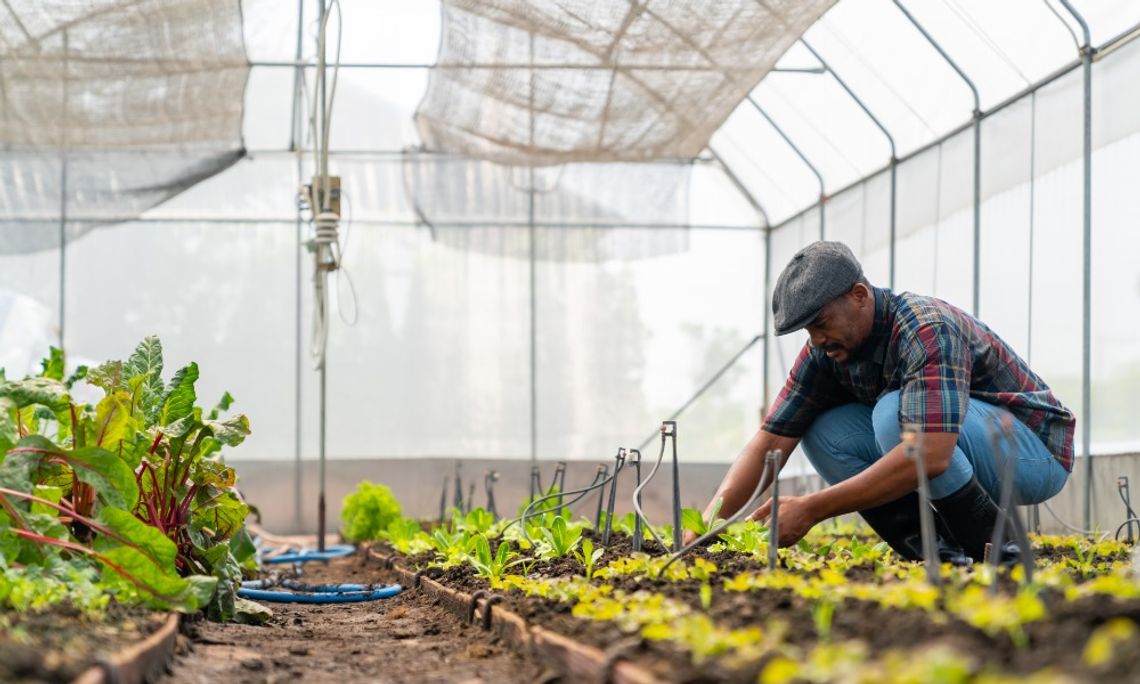
Sustainability is becoming an increasingly important priority for small farm owners who want to protect their land while maintaining a profitable operation. Fortunately, adopting environmentally responsible farming practices doesn't always require expensive equipment or major changes to daily routines.
For people managing small farms, sustainable agriculture offers an opportunity to build long-term financial stability while supporting healthier ecosystems. Whether you're growing produce for local markets or operating a family farm, thoughtful improvements can make a meaningful difference.
Explore some practical ways to make your small farm more sustainable below!
Start With Healthy Soil Management
Healthy soil is the foundation of a sustainable farm. It supports stronger crops, improves water retention, and reduces the need for additional agricultural inputs.
Rather than relying exclusively on fertilizers, small farm owners can introduce natural soil management practices that improve growing conditions over time. Regular soil testing is particularly valuable because it identifies nutrient deficiencies and helps prevent unnecessary fertilizer applications.
Introduce Cover Crops
Cover crops protect exposed soil between growing seasons and help reduce erosion. Depending on the species, they can also suppress weeds and improve soil structure.
Legumes, such as clover, can contribute nitrogen to the soil through biological nitrogen fixation. Selecting cover crops based on your region's climate and soil conditions will help maximize their effectiveness.
Practice Crop Rotation
Growing the same crop repeatedly in one location can increase pest pressure and contribute to nutrient imbalances. Crop rotation helps interrupt certain pest and disease cycles while supporting more balanced soil management.
Develop a rotation schedule that considers plant families and their nutrient requirements. Even small growing areas can benefit from rotating crops between beds each season.
Improve Water Conservation Practices
Water management is another essential component of sustainable farming. Excessive irrigation can waste resources and contribute to nutrient runoff, particularly when watering schedules don't reflect actual soil conditions.
Small farms can conserve water by monitoring soil moisture and adjusting irrigation practices according to crop requirements. These improvements can also reduce operating expenses during periods of limited rainfall.
Install Efficient Irrigation Systems
Drip irrigation delivers water directly to the root zones of crops, reducing evaporation and limiting unnecessary moisture on surrounding soil. It's particularly useful for vegetable production and other crops grown in organized rows.
Although installation requires an initial investment, efficient irrigation can lower water consumption over time. This is definitely something to look into if you’re worried about your farm’s water usage.
Collect and Manage Rainwater
Rainwater collection systems can provide an additional water source for certain agricultural activities. Storage tanks connected to suitable collection surfaces allow farms to capture rainfall that would otherwise become runoff.
Before installing a system, review local regulations and determine whether collected water requires treatment for its intended use. Water quality is especially important when irrigating produce that may be eaten raw.
Reduce Waste Throughout Your Farm
Agricultural waste can accumulate quickly, particularly during harvesting and produce preparation. Developing a waste management strategy helps small farms reduce unnecessary disposal while making better use of available resources.
Start by identifying where the greatest amount of waste occurs. Tracking discarded produce and damaged supplies can reveal many ways to improve efficiency.
Compost Organic Materials
Composting transforms suitable plant residues into a valuable soil amendment. Vegetable scraps, leaves, and certain crop residues can be composted under appropriate conditions to create organic matter that supports soil health.
Choose More Sustainable Produce Packaging
Packaging decisions also influence a farm's environmental footprint, particularly for growers selling directly to consumers. Farmers' markets and community-supported agriculture programs often require dependable packaging that protects produce during transportation.
Evaluating reusable bags versus disposable packaging for produce can help farm owners identify options that align with their sustainability goals. Consider material durability, cleaning requirements, and how frequently customers are likely to reuse packaging before making a decision.
Reusable packaging isn't automatically the most sustainable choice in every situation. Its environmental benefits depend on factors such as production impacts, transportation, and the number of times each item is used.
Support Biodiversity and Natural Pest Control
A sustainable farm should support the surrounding ecosystem rather than focusing exclusively on crop production. Encouraging biodiversity can help maintain ecological balance while reducing dependence on certain chemical pest control methods.
Create Habitats for Beneficial Insects
Beneficial insects contribute to agricultural productivity by pollinating crops or feeding on common pests. Establishing suitable habitats can encourage these populations to remain near growing areas.
Consider planting native flowering species along field borders or in designated garden spaces. Select plants that bloom at different times to provide food sources throughout the growing season.
Use Targeted Pest Management
Not every insect found on a farm requires treatment. Identifying pests correctly and assessing their potential damage helps prevent unnecessary pesticide applications.
When treatment becomes necessary, select methods appropriate for the specific pest and crop. The USDA's weed and pest management guidance provides additional information about preventive approaches and biological controls.
Make Energy Efficiency a Priority
Energy consumption contributes to operating costs and a farm's overall environmental impact. Equipment operation and produce storage can require considerable electricity or fuel, depending on the farm's activities.
Reducing unnecessary energy use helps conserve resources while improving financial efficiency. Begin by reviewing utility bills and identifying equipment that operates for extended periods.
Maintain Equipment and Consider Upgrades
Regular equipment maintenance can improve operating efficiency and extend machinery lifespan. Cleaning ventilation systems and following manufacturer maintenance recommendations can prevent avoidable energy waste.
When older equipment reaches the end of its useful life, compare energy-efficient replacement options. Evaluate expected savings against purchase costs before committing to major upgrades.
Build a Long-Term Sustainability Plan
Making a small farm more sustainable is an ongoing process rather than a single project. Improvements should reflect your farm's available resources and production goals.
Establish measurable objectives, such as reducing irrigation water consumption or decreasing packaging waste. Then review progress at the end of each growing season to witness how the changes are producing meaningful results.
Create a More Sustainable Future for Your Farm
Sustainable agriculture doesn't require transforming every aspect of your operation immediately. Consistent improvements in resource management can strengthen your farm's environmental performance while supporting long-term profitability.
For folks building or managing agricultural businesses, these practices offer practical ways to protect valuable resources without overlooking financial responsibilities. By making informed decisions today, you can create a more resilient farming operation for years to come.
Comment
Comments