
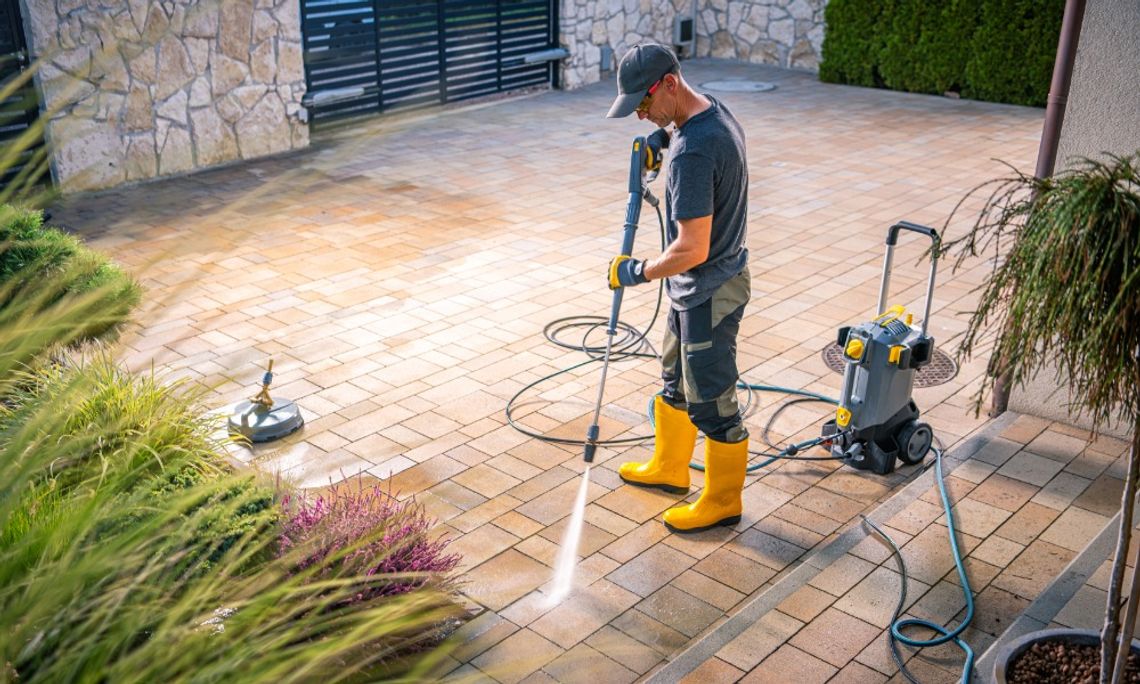
Outdoor cleaning projects can look fairly manageable until the work begins. A driveway might need more attention than its appearance suggests, or a patio that seemed easy to wash could take an entire afternoon. For Mississippi homeowners and property managers, the combination of humid weather, outdoor debris, and regular use can make exterior maintenance particularly demanding.
Knowing why some outdoor cleaning projects take longer than expected can make planning more realistic. The delays usually have identifiable causes, and recognizing them before starting can prevent a relatively ordinary maintenance task from consuming more time than necessary.
Dirt and Buildup Can Be More Stubborn Than They Look
When a driveway or walkway develops a layer of discoloration, its appearance doesn't always reveal how much work cleaning will require. Loose dirt may wash away easily, but embedded grime and organic growth can cling to porous surfaces. Concrete presents a particular challenge because its texture gives contaminants small spaces where they can accumulate.
Mississippi's humid conditions can encourage algae and mildew growth in shaded areas that receive limited sunlight. A patio beneath mature trees may develop slippery patches, especially where moisture lingers after rainfall. Cleaning these surfaces may require a suitable treatment and adequate contact time before rinsing can begin. Simply applying more force won't necessarily remove stubborn buildup effectively.
Different Outdoor Materials Have Different Cleaning Needs
Even when several outdoor surfaces appear equally dirty, their materials can determine how much attention they need. A concrete driveway may tolerate cleaning methods that could damage painted wood, aging brick, or certain decorative finishes. Treating every surface the same can create additional work if the cleaning process damages an area.
Wooden decks deserve particular care because excessive water pressure can raise the grain or damage weathered boards. Older masonry may have weakened mortar joints, while painted surfaces can lose their finish under an overly concentrated spray. Property owners should identify the material and its condition before choosing a cleaning method, then test a small, inconspicuous area.
When pressure washing is appropriate, the equipment's spray pattern can affect both cleaning coverage and surface protection. Choosing the correct pressure washer nozzle and spray pattern matters because a narrow stream concentrates force while a wider spray distributes it across a larger area. Using a suitable setting from the beginning can prevent damage that would otherwise turn routine cleaning into a repair project.
Obstacles and Property Layout Can Slow the Work
A large, open driveway may take less time to clean than a smaller patio crowded with outdoor furniture. Although the patio covers fewer square feet, the person cleaning it must move around obstacles and work carefully near walls or landscaping. These interruptions can make progress much slower than the property's dimensions suggest.
Outdoor areas around Mississippi homes may include garden borders, porch steps, fences, and decorative features that limit access. Cleaning around these structures requires more controlled movements than working across uninterrupted pavement. Narrow passages can complicate equipment positioning, particularly when hoses must reach around corners or across uneven ground.
Equipment Limitations Can Affect Cleaning Speed
Once the cleaning method suits the surface, the equipment's capacity determines how efficiently the work can progress. A small residential pressure washer might perform well on a short walkway but struggle to cover a large parking area within a reasonable period. Operators may need to make additional passes or spend longer rinsing away loosened debris.
Pressure determines the force of the spray, while flow rate influences how much water reaches the surface each minute. Equipment with greater water flow can rinse debris more efficiently in suitable applications, although the surface material and available water supply still determine which setup makes sense.
Short hoses may require frequent repositioning, inadequate water supply can interrupt operation, and worn attachments may produce inconsistent results. Checking equipment capabilities before beginning can prevent unnecessary delays once the cleaning starts.
Preparation Takes Longer Than People Anticipate
Before anyone begins washing an outdoor area, they may need to clear the space and protect nearby belongings. Patio furniture, planters, and decorative items can obstruct access or suffer damage from cleaning products and water spray. Moving everything safely requires time that a quick estimate may overlook.
Preparation becomes more involved when cleaning near electrical fixtures, exterior outlets, or delicate landscaping. Workers may need to cover vulnerable features, identify drainage paths, and prevent cleaning solutions from reaching plants or storm drains. Local runoff requirements can influence how a commercial cleaning project proceeds, particularly when wastewater contains detergents or other contaminants.
An unexpected Mississippi thunderstorm may interrupt outdoor work, while intense summer heat can make extended physical activity unsafe without adequate breaks. Checking the forecast and allowing sufficient preparation time creates a more realistic schedule before cleaning begins.
Finishing the Job Involves More Than Washing
After the visible dirt disappears, a cleaning project may still require additional attention before the property returns to normal use. Residual detergent, loosened debris, and standing water can collect near drains or along surface edges. Addressing those areas prevents the cleaning process from leaving a different mess behind.
Some surfaces require drying time before people can safely use them or return furniture to their original positions. Wooden decks may need additional drying before further maintenance, while damp walkways can create slipping hazards. Property owners should account for those conditions when deciding whether an outdoor area can reopen immediately.
A final inspection can reveal missed patches or uneven cleaning that weren't obvious while the surface was wet. Correcting those areas before putting equipment away is generally easier than returning another day, but the inspection still adds time to the project. Factoring cleanup and inspection into the original schedule provides a more accurate picture of the work involved.
Planning Outdoor Cleaning Around the Actual Work
For homeowners and property managers, realistic scheduling begins with evaluating the conditions of the space before committing to a completion time. A relatively small area with stubborn buildup may demand more attention than a larger surface with loose dirt. Considering the work involved makes it easier to determine whether a project fits into one afternoon or requires a longer maintenance window.
Recognizing why some outdoor cleaning projects take longer than expected can prevent rushed decisions that compromise the results. With a clearer assessment of the surfaces, available equipment, and surrounding conditions, property owners can organize the work around what the space needs. The goal isn't necessarily to finish every cleaning project quickly, but to complete it thoroughly without creating additional problems.
Comment
Comments