
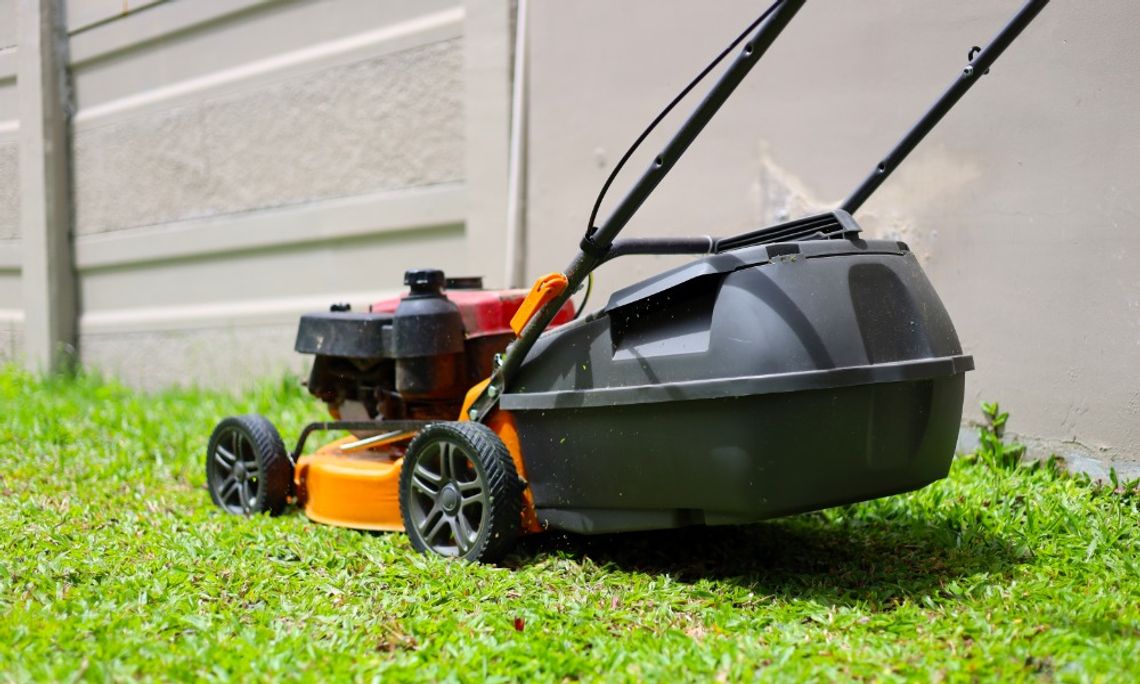
A lawn mower that refuses to start or a string trimmer that suddenly stops working can turn routine yard maintenance into an unexpected expense. While some equipment problems require only minor repairs, others may indicate that a machine is nearing the end of its useful life. Deciding whether to invest in repairs or purchase a replacement can be challenging, especially when both options involve significant costs.
Understanding when to repair or replace lawn equipment involves evaluating several factors, including the machine’s age, overall condition, repair expenses, and long-term reliability. Taking time to assess these considerations can help homeowners make practical decisions that protect their budgets while keeping their outdoor spaces well-maintained.
Evaluate the Age and Overall Condition of the Equipment
The age of lawn equipment is an important consideration, but it should not be the only factor influencing a repair or replacement decision. A well-maintained walk-behind mower may remain dependable for 8 to 10 years or longer, while riding mowers can provide many years of service depending on operating hours, maintenance practices, and workload.
Equipment that receives regular attention often lasts considerably longer than machines exposed to poor storage conditions or neglected maintenance. A mower that starts reliably, cuts evenly, and operates without unusual noises may still have years of useful life remaining, even if it is relatively old.
However, persistent engine problems, excessive rust, weakened structural components, and frequent mechanical failures indicate that equipment is deteriorating. When several issues develop simultaneously, replacing the machine may be more economical than continuing to address individual problems.
Compare Repair Expenses With Replacement Costs
Repair costs often provide the clearest indication of whether fixing equipment makes financial sense. A useful guideline is to reconsider repairs when the estimated expense approaches half the cost of purchasing a comparable replacement. Although this is not an absolute rule, it can help homeowners determine whether a repair represents reasonable value.
For example, if a replacement mower costs $400 and the existing machine needs a $60 repair, fixing it is generally worthwhile when the remaining components are in good condition. However, spending $250 on a mower that has already experienced repeated breakdowns may not be a sensible investment.
Homeowners should also consider labor charges, replacement part availability, and the likelihood of additional repairs. An inexpensive repair may become costly if the machine continues developing problems throughout the mowing season. Comparing the total expected expenses over the next few years provides a more accurate picture than focusing exclusively on the immediate repair bill.
Identify Problems That Are Usually Worth Repairing
Many lawn equipment malfunctions involve components that naturally wear down through regular use. Replacing these parts can restore performance without requiring homeowners to purchase entirely new machines.
Minor Engine and Maintenance Problems
Dirty air filters, worn spark plugs, clogged fuel systems, and dull cutting blades cause lawn equipment to operate poorly. Fortunately, these issues are often relatively inexpensive to correct, particularly when the engine and other major mechanical components remain functional.
Routine servicing may resolve starting difficulties, uneven cutting, or reduced engine performance. Before assuming that a mower has reached the end of its lifespan, homeowners should review the manufacturer’s troubleshooting recommendations or consult a qualified technician to identify the underlying problem.
Tire and Wheel Damage
Worn tires and damaged wheels affect maneuverability, traction, and overall equipment performance, but these problems rarely justify replacing an otherwise functional mower. The appropriate repair depends on whether the damage affects the tire, rim, or both components.
A punctured or worn tire may be replaceable while the original rim remains in good condition. However, if the rim is bent, corroded, or structurally damaged, choosing a replacement tire or complete wheel assembly depends on the condition of the existing components and their compatibility with the equipment. Inspecting both parts before purchasing replacements prevents unnecessary expenses.
Belts, Blades, and Control Components
Drive belts, mower blades, control cables, and similar components experience gradual wear during normal operation. Replacing these parts is generally more affordable than purchasing new equipment, particularly when the machine remains mechanically sound. Addressing worn components promptly can also prevent additional damage and help maintain consistent cutting performance.
Recognize When Replacement Is the Better Investment
Although minor repairs can extend equipment life, some problems involve substantial expenses or safety concerns that make replacement more practical.
Major Mechanical Failures
Severe internal engine damage, transmission problems, and extensive structural deterioration require expensive repairs. Rebuilding an engine or replacing a riding mower transmission may involve significant labor and parts costs, particularly for older machines. When major repairs approach the price of comparable replacement equipment, investing in a newer machine provides better long-term value.
Frequent Breakdowns and Unreliable Performance
Equipment that repeatedly stalls, struggles to start, or requires constant adjustments can become frustrating and expensive to maintain. Even when individual repairs are affordable, repeated service visits and interruptions to yard maintenance outweigh the benefits of keeping an aging machine. If equipment regularly fails despite appropriate maintenance, replacement offers greater reliability and reduces future expenses.
Serious Safety Concerns
Safety should remain a priority when evaluating damaged lawn equipment. Cracked mower decks, defective blade mounting systems, damaged protective guards, and malfunctioning safety switches create hazardous operating conditions.
Machines with these problems should not be used until they have been properly inspected and repaired. If restoring safe operation is impossible or financially unreasonable, replacement is the more responsible choice.
Consider Changing Lawn Care Needs
Sometimes, replacing equipment makes sense even when the existing machine still functions. Changes in property size, physical capabilities, or maintenance requirements may make different equipment more suitable.
A larger yard may benefit from a mower with greater cutting capacity, while a smaller property might be easier to maintain with lightweight, compact equipment. Battery-powered tools also appeal to homeowners interested in quieter operation, simpler routine maintenance, or avoiding gasoline storage.
However, newer features do not automatically justify replacing dependable equipment. Homeowners should consider whether an upgrade would provide meaningful improvements in convenience, efficiency, or operating expenses before making a purchase.
Extend Equipment Life Through Preventive Maintenance
Consistent maintenance helps homeowners avoid premature replacement costs and reduce machine breakdowns. Cleaning accumulated grass and debris, sharpening blades, checking tire pressure, inspecting belts, and lubricating designated components can all contribute to reliable operation.
Gas-powered equipment also benefits from regular oil changes, air filter maintenance, and appropriate fuel storage practices. Battery-powered machines require proper charging and storage conditions to preserve battery performance.
Following manufacturer recommendations and storing equipment in a dry, protected area can further reduce wear and deterioration. These relatively simple habits extend equipment life and make future repair decisions less frequent.
Make a Practical Long-Term Decision
Determining when to repair or replace lawn equipment requires balancing immediate expenses against future reliability, safety, and performance. Minor component replacements and routine servicing are often worthwhile when a machine remains in good overall condition, while major mechanical failures and recurring breakdowns justify purchasing new equipment.
By considering repair estimates, equipment age, maintenance history, and changing lawn care needs, homeowners can make informed choices without spending unnecessarily. The best decision is ultimately the one that delivers dependable performance, reasonable long-term costs, and safe operation throughout the mowing season.
Comment
Comments