
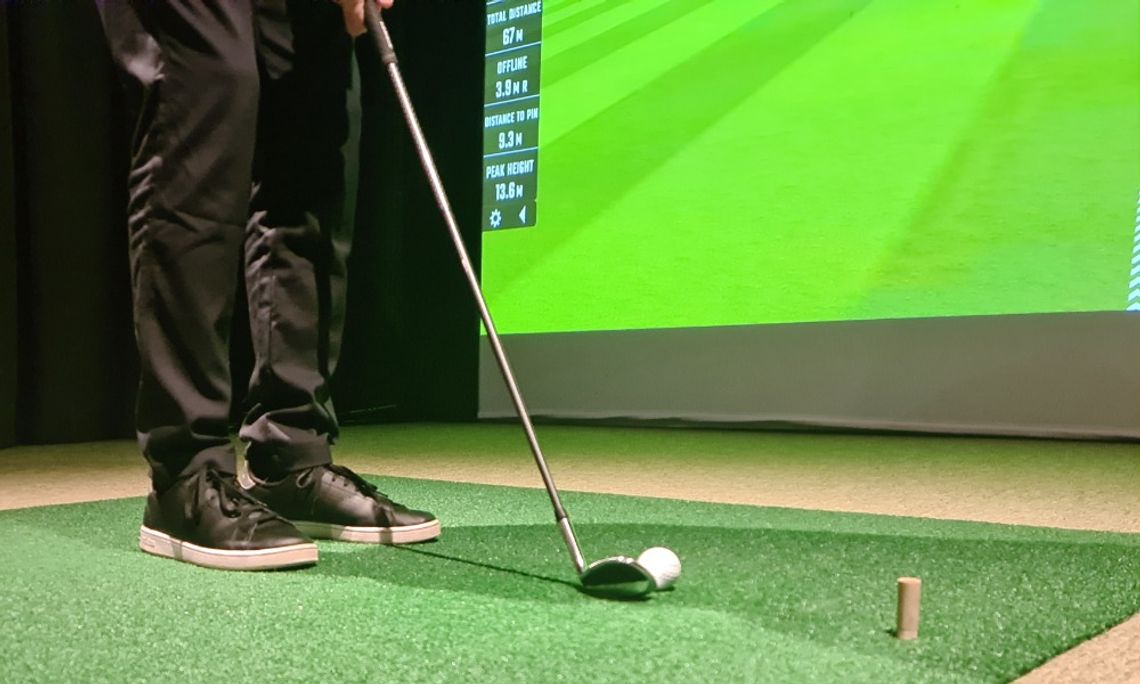
Golf offers more than friendly competition and the satisfaction of a well-placed shot. The sport encourages movement, concentration, and time spent with others. However, you don’t need to find a tee time to enjoy those benefits.
In Pelahatchie, Mississippi, summer heat and sudden thunderstorms can disrupt recreation plans. Plus, what do you do when the off-season comes?
An indoor golf simulator can be good for your health because it gives residents another way to practice without relying on the forecast. While hitting balls indoors doesn't replace walking a full course, it can contribute to a balanced, active lifestyle.
How Indoor Golf Supports Physical Health
A golf swing may look simple, but executing one smoothly requires coordinated movement throughout the body.
Engages Muscles Throughout the Body
During a swing, players rotate their hips, engage their abdominal muscles, and transfer weight between their legs. Their shoulders and upper backs help guide the club.
Frequent swings create opportunities for light physical activity and muscle engagement. Intensity varies considerably, though. A short session with frequent breaks won't offer the same workout as sustained exercise.
Indoor golf works best alongside walking, strength training, and other activities that raise the heart rate.
Encourages Mobility and Balance
Golf requires comfortable rotation through the hips and upper back. Gentle, controlled practice can help players maintain mobility, especially when they pair it with stretching.
Balance matters, too. Players must shift their weight without losing control of their posture. Repeating this movement can build familiarity with proper body positioning.
Avoid forcing a bigger backswing than feels comfortable. Smooth technique matters more than reaching an impressive distance.
The Mental Benefits of Indoor Golf
An indoor golf simulator can also be good for your mental health. Having a place you can unwind and hit some balls can give you a break from the stresses of the day.
Offers a Break From Stress
After a demanding day, concentrating on a golf shot can redirect attention away from chores or work. Players focus on their stance, swing, and the result rather than the next item on their schedules.
Physical activity can reduce anxiety and improve sleep. Simulator golf may support relaxation as an enjoyable form of movement, although it isn't a substitute for mental health treatment.
Rewards Patience and Focus
Golf asks players to make deliberate decisions. Which club suits the shot? Did the last swing send the ball too far left?
Depending on the equipment, a simulator may display ball flight, distance, and other feedback. Players can use that information to adjust their technique.
Not every shot will succeed. Practicing how to respond calmly to mistakes makes the experience more satisfying and keeps frustration from taking over.
Why Indoor Golf Fits Life in Pelahatchie
Mississippi offers many opportunities for outdoor fun, but its climate can make year-round recreation challenging.
Avoids Some Weather-Related Risks
High temperatures and humidity increase the risk of heat-related illness during prolonged outdoor activity. A properly cooled indoor space allows residents to practice without spending hours under the summer sun.
Rainy days present another obstacle. Indoor access allows golfers to maintain a routine even when a thunderstorm makes outdoor practice unsafe.
Makes Short Practice Sessions Practical
An outdoor round requires travel, sufficient daylight, and time on the calendar. Home practice can be easier to fit into a busy week.
Someone might spend 20 minutes after work refining a swing or devote a weekend afternoon to a virtual course. Convenience doesn't guarantee better health. Still, removing practical barriers may make it easier to stay consistent with an activity someone enjoys.
Golf Can Bring People Together
Health includes social connection, and golf offers plenty of opportunities to share an experience.
Invites Family Participation
A residential indoor golf simulator can turn an ordinary afternoon into family recreation. Experienced players can demonstrate basic techniques, while beginners work on comfortable, shorter swings.
Some simulator games offer adjustable settings for different abilities. Regardless of the equipment, the shared activity matters more than everyone's score.
For households with different fitness levels, that flexibility can make participation less intimidating.
Keeps Competition Friendly
Players can challenge one another to hit a virtual target or improve putting accuracy. These small contests encourage engagement without requiring a long trip.
The atmosphere matters. Keeping the emphasis on encouragement rather than performance helps everyone enjoy the time together.
Making Indoor Golf Part of a Healthy Routine
A simulator provides access to an activity, but good habits determine how comfortably and safely someone plays.
People who are new to golf can start with shorter sessions and increase their practice time as their comfort grows. They don't need to hit hundreds of balls to enjoy the experience. A few thoughtful swings followed by a break may feel more rewarding than pushing through fatigue.
Older adults or anyone managing a health condition should ask a clinician whether golf movements suit their needs. They can also adjust the pace, practice putting instead of full swings, or work with an instructor on a gentler technique.
Warm Up Before Swinging
Begin with a few minutes of gentle movement. Walk around the room, rotate your shoulders comfortably, and try slow practice swings before increasing speed.
Starting at full power while muscles feel stiff may cause discomfort. Gradual preparation is especially valuable for anyone returning to golf after a long break.
Prioritize Technique Over Distance
Trying to drive every ball as far as possible can strain the back or shoulders. Use a controlled swing, maintain stable posture, and pause when fatigue affects movement.
A qualified golf instructor can help identify technique problems. Stop playing if pain develops, and seek medical advice for persistent symptoms.
Add Cardio and Strength Training
A simulator session may not be vigorous enough to qualify as moderate-intensity aerobic exercise. Walking around Pelahatchie when conditions permit, cycling indoors, or following a simple resistance routine can complement golf practice.
Think of the simulator as one enjoyable piece of an active week, not a replacement for other movement.
Make the Space Safe
Indoor swings require room for the club's complete path. Check ceiling height and clearance around nearby furniture or people.
Stable flooring, an appropriate hitting mat, and equipment installed according to manufacturer instructions help reduce avoidable hazards. Good lighting also makes the space more comfortable to use.
A Familiar Game With More Ways to Play
Healthy habits are easier to maintain when recreation feels rewarding rather than compulsory. Indoor golf lets players practice their skills, engage their bodies, and share an activity with family or friends.
For Pelahatchie residents, its appeal also comes from flexibility. A hot afternoon or rainy weekend doesn't have to end plans to swing a club.
An indoor simulator cannot provide all the exercise of a walking round, and it shouldn't stand in for a complete fitness routine. With sensible expectations, safe technique, and other physical activities in the mix, however, it can offer a fun way to keep moving throughout the year.
Comment
Comments