
One minute you're moving a flowerpot beside the porch. The next minute, your ankle feels like someone touched it with a hot match. You brush off the ants and figure the pain will fade. Instead, tiny bumps appear the next morning, and your socks keep rubbing against them.
Mississippi fire ant stings hurt for days because of the venom they inject into your skin. Around Pelahatchie, an ordinary afternoon in the yard offers plenty of chances to disturb a colony. Here's what happens after a sting, and how to keep a painful encounter from becoming a bigger problem.
Fire Ants Do More Than Bite
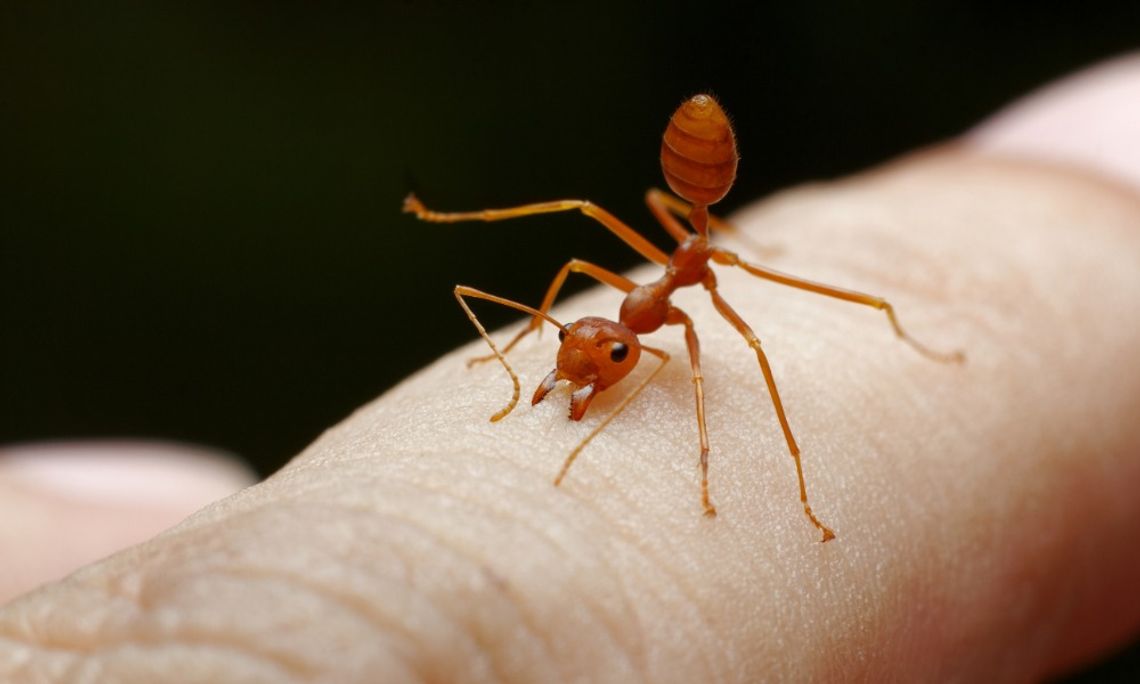
When you disturb a mound, worker ants rush out to defend their colony. An ant grabs your skin with its jaws, then uses the stinger at the end of its abdomen to inject venom. The bite helps it hold on, and the sting causes the burning pain.
Unlike a honey bee, a fire ant doesn't lose its stinger after attacking. One ant might sting repeatedly before you knock it off. If several ants reach your ankles at once, it can feel much worse than one isolated sting.
For this reason, you should brush ants off promptly rather than standing still to inspect the mound. Moving away from the colony prevents more workers from joining in.
Venom Starts a Reaction That Outlasts the Burning
The first sharp sensation usually fades fairly quickly. But the venom doesn't leave your skin looking normal right away. Its compounds irritate local tissue and trigger inflammation, drawing in your immune system.
As your skin reacts, a red welt develops around the sting. Swelling makes the area tender, while inflammatory signals keep the itching going. You might feel tempted to scratch the spot long after the original burning disappears.
The ant has moved on. Your skin is still dealing with the aftermath.
Those White Bumps Usually Aren't Infected
The day after a sting, you might notice a small white bump that looks suspiciously like a pimple. Fire ant venom commonly produces a pustule within about 24 hours. Despite its appearance, the fluid inside usually doesn't mean bacteria have infected your skin.
Why the Bump Stays Around
The pustule is part of the local reaction to venom. It might remain noticeable for several days, even as the intense burning gives way to itching. Some people also notice a lingering mark after the bump heals.
Don't squeeze the bump to "get the venom out." Popping it won't undo the sting! Instead, opening the skin gives germs an entry point and prolongs the irritation.
Scratching Turns a Few Bad Days Into More
An itchy sting on your ankle is especially annoying when you wear work boots or spend the day walking. The constant friction draws your attention to the spot. Before long, you start scratching without thinking.
Unfortunately, broken skin increases your risk of infection. Scratching also irritates the surrounding tissue, which makes the area feel worse instead of better.
If clothing keeps catching on a bump, choose something looser while the skin heals. Keep your fingernails away from the pustules, even if they look ready to pop. Protecting the skin now beats dealing with a painful infection later.
Ease the Itching Without Making Things Worse
Most mild fire ant stings improve with basic home care. Start by moving away from the mound and brushing any remaining ants off your body. Then keep your skin clean and comfortable.
Try these steps after a sting:
- Gently wash the affected area with soap and water.
- Apply a cool compress briefly to ease discomfort.
- Consider over-the-counter hydrocortisone on intact skin, following the label.
- Ask a pharmacist about an oral antihistamine for itching, and check for drowsiness warnings.
Don't put ice directly against your skin. If a pustule opens on its own, gently clean the area and protect it from further rubbing.
Know When the Reaction Needs Medical Attention
A few itchy bumps aren't unusual after fire ant stings, but some reactions require quick action. If someone develops trouble breathing or throat swelling after a sting, call 911. Widespread hives with faintness also signal a possible severe allergic reaction.
If you have a prescribed epinephrine auto-injector for a known allergy, use it according to your emergency plan and seek emergency care. Don't wait for the symptoms to disappear.
Watch for Signs of Infection
A white pustule alone isn't proof of infection. Increasing redness after the first couple of days deserves more attention, especially if pain gets worse. Fever or red streaking near a sting also warrants prompt medical evaluation.
People with diabetes or weakened immune systems should take skin changes seriously because complications might be harder to manage.
Scientists Study How Nerves Carry Pain Signals
The burning sensation starts when the sting activates sensory pathways in your skin. Researchers investigate how nerve cells transmit electrical signals to understand pain and other bodily responses.
Some laboratories use extremely fine glass microelectrodes to record electrical activity in cells. Precise micropipette puller settings help researchers produce glass tips suited to delicate experiments. The connection to fire ant stings is indirect, but the larger question is familiar: Why does a tiny trigger create such an intense sensation?
It explains why the discomfort continues after the ants disappear.
Give Fire Ants Fewer Chances to Surprise You
In Pelahatchie, look carefully before setting a lawn chair on the grass or moving equipment that's been sitting outdoors. Fire ant colonies aren't limited to the large mounds you notice from the driveway. Smaller colonies can be easy to overlook.
If mounds regularly appear near play areas, consider a labeled fire ant bait product appropriate for your yard. Apply it as directed when ants are actively foraging, and avoid spreading bait before heavy rain.
Keep children and pets away from treatment areas as the label instructs! If you're unsure which product suits your property, ask a qualified local professional.
Give Your Skin Time To Finish Healing
An ordinary fire ant encounter doesn’t end when the initial burning stops. The next day's pustules and several days of itching reflect your skin's continuing reaction to venom. Most mild stings settle within about a week, although some marks linger longer.
Understanding why Mississippi fire ant stings hurt for days helps you make better choices after the next backyard surprise. Brush the ants off quickly! Then let your skin heal while watching for signs of trouble. Your next Saturday in the yard should involve fewer unexpected ankle attacks.
Comment
Comments