
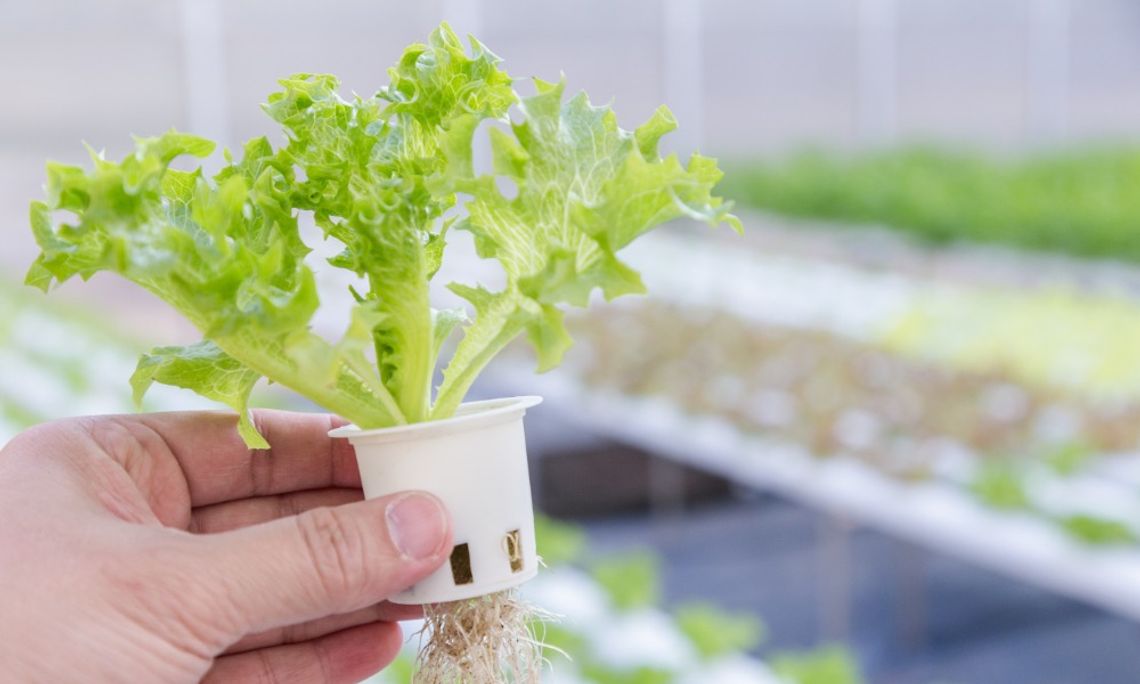
Hydroponic gardening gives growers greater control over plant development without relying on traditional soil. However, successful cultivation requires more than placing roots in water. Each component must support healthy growth while working alongside the rest of the setup. Understanding the key elements every hydroponic system needs helps beginners avoid common mistakes and allows experienced gardeners to improve consistency. From delivering nutrients to maintaining a stable growing environment, thoughtful system design creates the foundation for productive plants throughout their growing cycle.
A Reliable Water Supply
Water serves as the foundation of hydroponic cultivation because it carries dissolved nutrients directly to plant roots. Growers should begin with a dependable source that contains minimal unwanted minerals or contaminants.
A reservoir should hold enough solution to support the system between routine checks. Choose a container that blocks light to discourage algae growth and allows convenient access for cleaning. Monitor the water level regularly, particularly when plants mature and consume moisture more quickly.
Balanced Nutrient Solutions
Unlike soil gardening, hydroponics depends on growers to supply essential minerals through water. A complete hydroponic fertilizer provides nutrients in forms that roots can absorb.
Follow the fertilizer manufacturer's mixing directions and avoid adding extra concentrate simply to accelerate growth. Excess nutrients can damage roots and interfere with mineral uptake. Measure solution strength with an electrical conductivity meter when appropriate, then adjust according to the crop and its development stage. Replace nutrient solution periodically to prevent imbalances that topping off alone cannot correct.
Proper pH Management
The acidity of a nutrient solution affects how readily plants absorb dissolved minerals. Even when growers provide adequate fertilizer, an unsuitable pH can prevent roots from accessing particular nutrients. Different crops have slightly different preferences, so research the recommended range for the plants you intend to grow.
Use a dependable pH meter or testing kit and check readings routinely. To adjust the pH in your hydroponic system, add an appropriate pH adjustment product gradually, mix thoroughly, and test again before making further changes.
Adequate Root Oxygen
Roots need oxygen to carry out essential functions, even when they grow directly in nutrient solution. Without sufficient dissolved oxygen, roots may struggle to absorb nutrients and become vulnerable to unhealthy conditions.
Deep water culture systems commonly use an air pump connected to an air stone to introduce bubbles into the reservoir. Other designs expose roots to air between irrigation cycles. Match the oxygen delivery method to the growing technique rather than assuming every hydroponic system requires identical equipment. Check pumps and tubing regularly because an unnoticed interruption can affect plants quickly.
Suitable Growing Medium
Many hydroponic systems use a growing medium to support plants while allowing moisture and oxygen to reach their roots. Clay pebbles, coco coir, and rockwool offer different combinations of water retention and drainage. The ideal choice depends on how frequently the system delivers nutrient solution.
For example, a medium that retains considerable moisture may suit intermittent irrigation but create problems if roots remain saturated continuously. Select a medium that supports the crop securely without restricting healthy root development, and replace or sanitize reusable materials between growing cycles as appropriate.
Dependable Water Circulation
Many hydroponic designs rely on pumps to move nutrient solution from a reservoir toward plant roots. Consistent circulation helps distribute nutrients and prevents growing areas from drying out unexpectedly. Choose equipment that matches the system's size and required flow rather than relying on an oversized pump.
Inspect delivery lines for clogs and make sure return channels drain freely. Install connections securely to reduce leaks around electrical equipment. Some passive systems operate without circulation pumps, but they still require reliable methods of delivering moisture to roots. Whatever design you choose, understand how long plants can safely tolerate an interruption and plan accordingly.
Appropriate Lighting
Plants need sufficient light to produce the energy that supports growth. Outdoor hydroponic gardens may receive adequate sunlight, while indoor installations generally require dedicated grow lights. The best lighting arrangement depends on the crop, available space, and distance between fixtures and foliage.
LED grow lights offer adjustable options for many indoor setups. Follow the fixture manufacturer's coverage recommendations and establish a consistent daily lighting schedule. Watch plant responses for signs of inadequate intensity or excessive exposure. As plants become taller, adjust fixture placement to maintain useful coverage without overheating leaves.
Temperature and Humidity Control
Environmental conditions influence how efficiently plants use water and nutrients. Excessive heat can strain foliage and warm the reservoir, while cold conditions may slow root activity. Indoor growers should monitor both room temperature and nutrient solution temperature instead of treating them as interchangeable measurements.
Humidity also affects plant water loss. Very dry air can increase moisture demand, while persistently humid conditions may encourage disease when air circulation remains poor. Use ventilation or climate controls suited to the growing space. Make adjustments gradually and observe how plants respond rather than chasing perfect readings with constant equipment changes.
Airflow Around Plants
Good airflow helps maintain an even growing environment and reduces stagnant pockets of humid air around leaves. Indoor gardens often benefit from gentle circulation fans, particularly when dense foliage limits natural movement. Position fans to move air across the growing area without directing a harsh stream at delicate plants.
Air circulation does not replace ventilation. Enclosed growing rooms may also need a way to exchange warm or humid air with fresher air. Keep fan blades clean and ensure equipment does not blow debris into exposed reservoirs. Regular inspection supports consistent performance as the garden expands.
Monitoring and Routine Maintenance
Even a carefully designed hydroponic garden needs attention after installation. Establish a routine for checking nutrient strength and inspecting roots for changes in color or texture. Record readings alongside observations so you can identify patterns before minor problems become serious.
Clean reservoirs and irrigation components between crops to limit accumulated deposits. Keep replacement supplies available for components that wear out, especially pumps in systems that depend on continuous operation. Before changing several settings at once, isolate the likely cause of a problem and make one measured adjustment so plant responses remain easier to interpret. Consistent maintenance makes troubleshooting easier because growers can distinguish equipment failures from ordinary changes in plant demand.
Building a Healthy Hydroponic Foundation
Understanding the key elements every hydroponic system needs makes it easier to choose equipment that suits your crops and growing space. Start with dependable water delivery and balanced nutrition, then maintain the conditions that allow roots and foliage to thrive. Rather than adding unnecessary complexity, focus on reliable components and regular observation. A well-maintained setup gives plants steady support while helping growers respond confidently as their gardens develop.
Comment
Comments