
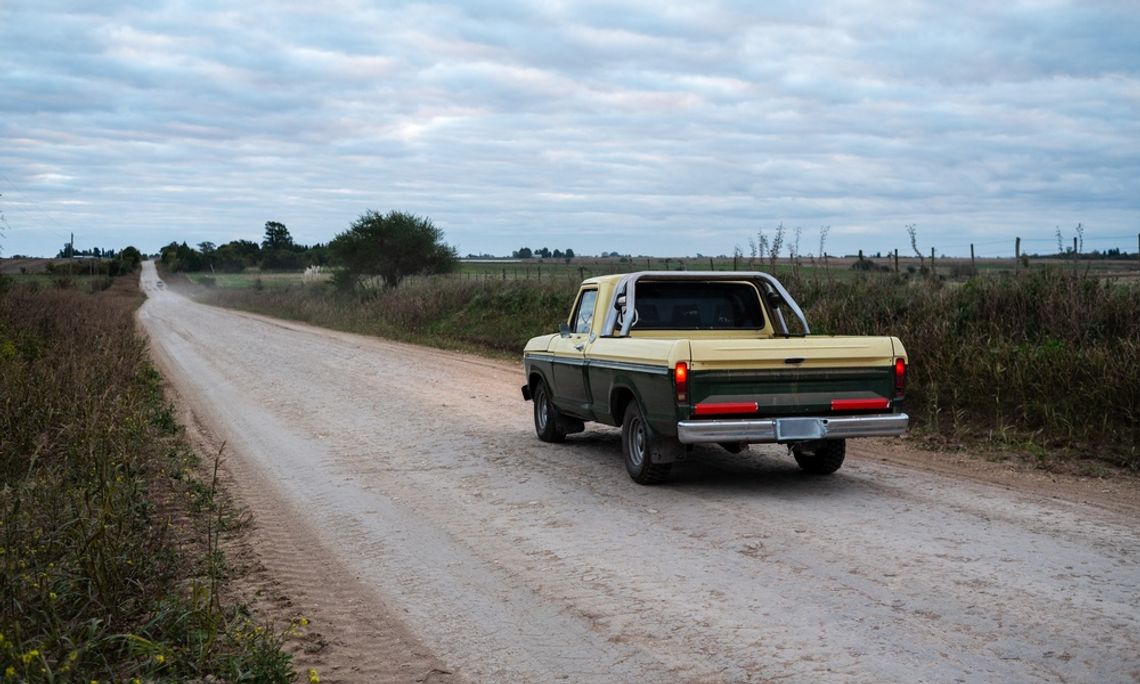
Life in Pelahatchie, Mississippi, comes with plenty of small-town advantages, including peaceful surroundings and scenic drives through the countryside. However, the rural roads that give the area much of its charm can create unexpected challenges for vehicles. Gravel surfaces, uneven pavement, and seasonal flooding can gradually damage a vehicle's underlying structure.
Most drivers pay close attention to their tires and engines, but they rarely consider the frame. This structural foundation supports essential vehicle components and helps maintain stability. Understanding rural driving risks can help residents protect their vehicles before minor problems become expensive repairs.
The Hidden Stress of Uneven Rural Roads
Unlike smooth highways, rural roads frequently feature changing surfaces and unpredictable dips. Some transition between asphalt and gravel, and others develop deep ruts after heavy rainfall. These conditions place additional demands on a vehicle's suspension and supporting structure.
When a vehicle encounters a pothole, its tires and suspension absorb much of the impact. Still, severe bumps can transfer additional forces to structural mounting points. Repeated impacts may eventually weaken vulnerable areas, especially around suspension mounts and crossmembers.
Older vehicles face greater risks because years of exposure may have reduced their structural integrity. Even sturdy pickup trucks benefit from regular inspections. Recognizing potential rural road vehicle damage early can help owners address frame problems before they compromise safety.
How Gravel and Dirt Roads Contribute to Wear
Gravel roads provide access to homes and agricultural properties throughout rural Mississippi. Although these roads serve important purposes, loose stones gradually wear away protective surfaces underneath vehicles. The damage may seem insignificant initially but can create opportunities for corrosion.
Flying Gravel Can Damage Protective Coatings
Small rocks kicked up by tires can strike exposed metal and chip protective coatings. These coatings prevent moisture from reaching bare steel. Once gravel damages the protective layer, exposed surfaces become more vulnerable to rust.
Road debris can also collect around brackets and other difficult-to-clean areas. As materials accumulate, they may trap moisture against metal components. Drivers who regularly travel gravel roads should check for coating damage during routine maintenance.
Dust and Mud Can Trap Moisture
Dry weather produces dust, but rain can quickly transform loose surfaces into muddy stretches. Mud beneath a vehicle can hold moisture against metal long after the road dries. Areas near suspension mounts and frame rails deserve particular attention.
Regular undercarriage cleaning removes debris before it contributes to deterioration. Drivers should focus on accessible areas where mud collects. Allowing the underside to dry thoroughly also limits prolonged moisture exposure.
Why Mississippi's Rainfall Creates Additional Risks
Pelahatchie residents know that heavy rain can quickly change driving conditions. Standing water and saturated shoulders make familiar routes harder to navigate. Persistent moisture also creates another concern: corrosion.
Water Can Reach Hidden Frame Components
Water can enter enclosed structural sections or settle around welded joints. When moisture remains against unprotected steel, oxidation gradually weakens the material. Corrosion may develop in places drivers cannot easily inspect.
A frame might appear relatively clean despite rust developing along internal surfaces. This hidden deterioration particularly concerns owners of older vehicles with exposed steel structures. For older vehicles like a military Jeep, protecting a frame from corrosion involves addressing moisture buildup in hidden areas and maintaining protective coatings to prevent long-term structural damage.
Although vehicle construction varies, moisture prevention remains an important maintenance priority. Drivers should examine accessible surfaces for rust staining or bubbling paint. Addressing these warning signs promptly can prevent more extensive deterioration.
Floodwater Creates Additional Hazards
Flooded roads introduce serious risks because standing water can conceal damaged pavement. Drivers should never cross a flooded roadway because water depth and current strength can change unexpectedly. Even familiar routes may become dangerous after heavy rainfall.
Road spray and muddy conditions can also leave debris around structural components. Drivers should inspect accessible undercarriage areas after significant exposure. Vehicles that encounter deep floodwater may require professional attention before returning to the road.
Potholes Can Affect More Than Tires
When a vehicle strikes a pothole, drivers may notice a damaged tire or bent wheel. However, severe impacts can also affect steering components and suspension geometry. These forces may strain the points where suspension systems connect to the vehicle's structure.
A sudden change in handling can indicate a problem. Drivers should watch for these warning signs after a hard impact:
- The vehicle pulls toward one side on a level road.
- The suspension produces new rattling sounds.
- The tires develop uneven wear patterns.
- The steering wheel vibrates or feels unusually loose.
- Visible cracks appear near structural mounting points.
These symptoms do not necessarily indicate frame damage. Tire problems and suspension faults can produce similar changes. A qualified technician can identify the cause and recommend repairs.
Different Vehicles Handle Structural Stress Differently
Not every vehicle uses the same structural design. Many pickup trucks and larger SUVs feature body-on-frame construction, which uses a separate frame to support major components. Most passenger cars and crossovers use unibody construction, where the body and structural framework form an integrated assembly.
Both designs can experience corrosion or damage from severe impacts. Yet, vehicle construction determines the appropriate repair method. Corrosion affecting a truck's frame rail may require a different approach than deterioration near a car's suspension mounting structure.
Understanding these differences helps drivers make informed maintenance decisions. Vehicle owners should consult technicians familiar with their particular structural design. Proper assessments become especially important when rust affects load-bearing components.
Practical Ways Pelahatchie Drivers Can Protect Their Vehicles
Preventing rural road vehicle frame damage does not require avoiding every gravel lane. Consistent maintenance and careful driving can reduce unnecessary stress on structural components. A few practical habits also help owners identify problems before repair costs increase.
Adjust Speed to Road Conditions
Reducing speed on uneven surfaces gives drivers more time to identify potholes and loose gravel. Slower travel generally decreases impact severity when drivers cannot avoid obstacles. Maintaining a safe following distance provides additional reaction time.
Keep the Undercarriage Clean
Periodic washing removes mud and road debris that might accumulate against metal. Drivers should pay particular attention after traveling through muddy areas. Avoid directing high-pressure water toward electrical connections or damaged protective coatings.
Check Protective Coatings
Inspect accessible metal surfaces for chipped paint and developing rust. Addressing minor coating damage can prevent moisture from reaching exposed steel. Choose products compatible with the vehicle's construction and existing protective materials.
Schedule Regular Inspections
Drivers who frequently travel rough roads should include undercarriage checks in their maintenance schedules. A technician can examine suspension mounting points and corrosion-prone sections. Professional inspections become especially important after impacts that change steering or handling.
Follow Vehicle Load Limits
Excessive cargo weight places additional demands on suspension systems and structural components. Residents hauling equipment should follow manufacturer load recommendations. Proper weight distribution also improves handling on uneven surfaces.
When Structural Damage Requires Professional Attention
Some vehicle problems extend beyond cosmetic concerns. Deep corrosion and cracked structural members can compromise safety, particularly around suspension mounting points. Covering weakened metal with paint does not restore its original strength.
Structural repairs require appropriate equipment and vehicle-specific procedures. Qualified professionals can assess damage and determine whether components need repair or replacement. Drivers who notice serious deterioration should seek an assessment before continuing normal vehicle use.
Protecting Vehicles That Support Rural Life
Rural roads connect Pelahatchie residents with workplaces, schools, and neighboring communities. Their importance makes dependable transportation especially valuable for households that rely on vehicles for daily travel. Preventive care can reduce the effects of challenging road conditions.
Recognizing early warning signs and maintaining protective surfaces helps preserve structural condition. Regular inspections also give owners opportunities to correct smaller problems before they become serious. For Pelahatchie drivers, caring for the structure beneath their vehicles helps keep everyday journeys safer and more reliable.
Comment
Comments