
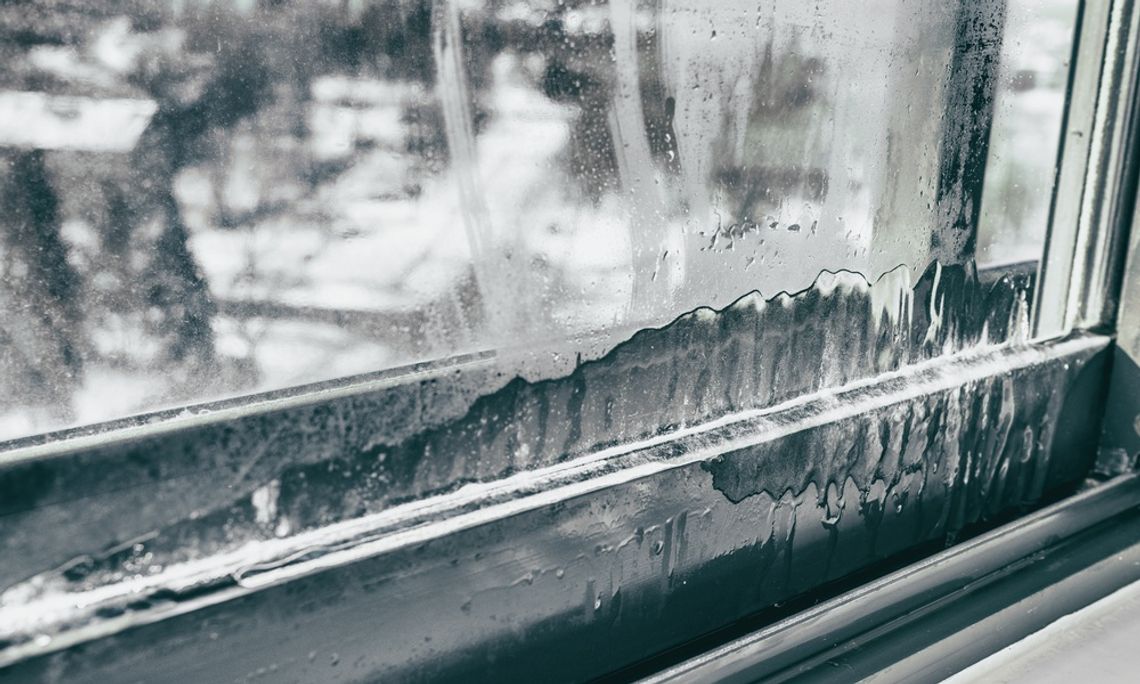
Did you know that winter can make buildings more vulnerable to leaks? You might think frozen water would cause fewer problems than rain, but winter weather puts building materials through conditions they don't experience during warmer months. Some damage develops gradually, and you won't notice anything wrong until late winter or early spring, when melting snow begins finding its way through weakened areas.
The good news is that many of these problems are preventable. Let's look at where these leaks originate and what you can do to protect your building.
Metal Roofs Expand and Contract
Buildings with metal roofs are at a greater risk of leaks when winter temperatures fluctuate because the panels repeatedly expand and contract. This movement places stress on fasteners and can gradually loosen the connections that keep water outside. It's a common cause of leaks in pole barns, which frequently feature metal roofing systems.
As fasteners loosen, small openings develop around their attachment points. Water from melting snow then enters through these openings and reaches the materials beneath the roof.
Inspecting exposed fasteners before winter allows you to identify loose connections early. Any damaged fasteners should be replaced with compatible components according to the roofing manufacturer's instructions.
Ice Dams Trap Melting Snow
Ice dams form when snow melts on warmer portions of a roof and refreezes near the colder edges. Over time, this frozen barrier prevents additional meltwater from draining into the gutters.
With nowhere to go, water collects behind the ice and can seep beneath roofing materials. Eventually, moisture reaches the roof decking and begins entering the building.
Poor attic insulation contributes to this problem by allowing indoor heat to warm the roof unevenly. Improving insulation reduces unwanted heat transfer, while proper attic ventilation supports more consistent roof temperatures. Together, these improvements reduce the conditions that allow ice dams to develop.
Heavy Snow Places Pressure on Roofing
A roof might handle ordinary winter snowfall without trouble, but accumulated snow creates additional weight that tests its structural capacity. Wet snow is especially heavy because of its high water content.
As snow accumulates, excessive weight can cause portions of an overloaded roof to sag. That movement may damage roofing connections and create openings for water once temperatures rise.
Older roofs may have existing weaknesses that make heavy snow accumulation more dangerous. A prewinter inspection can identify structural problems before additional weight puts further strain on the roof. If snow accumulation approaches the roof's rated capacity, contact a qualified professional about removal instead of attempting the dangerous job yourself.
Frozen Pipes Develop Cracks
Water expands when it freezes, creating pressure inside plumbing pipes when ice blocks the flow. If that pressure becomes excessive, the pipe can split and release water once the ice thaws.
Unfortunately, the damage isn't always discovered immediately. A pipe hidden inside a wall may begin leaking after temperatures rise, allowing water to soak surrounding materials before anyone notices.
Pipes running through unheated areas are especially vulnerable because they're exposed to freezing temperatures for extended periods. Adding insulation around these pipes slows heat loss and reduces the risk of freezing. However, insulation alone won't prevent freezing indefinitely, so maintaining adequate heating throughout the building is essential, even when it's unoccupied.
Freeze-Thaw Cycles Widen Foundation Cracks
Small foundation cracks don't always produce immediate leaks, but winter creates conditions that make them worse. When moisture enters an existing crack and freezes, it expands against the surrounding material.
Repeated freezing and thawing gradually widens the opening, making it easier for water to penetrate the foundation. By spring, what started as a minor crack may allow moisture into a basement during periods of melting snow.
Exterior foundation inspections can reveal these problems before freezing temperatures arrive. Small nonstructural cracks may be treated with appropriate sealing materials, while widening or displaced cracks require professional evaluation. Addressing the opening early reduces the opportunity for additional water intrusion.
Clogged Gutters Prevent Proper Drainage
Leaves left in gutters after autumn can create blockages that become troublesome during winter. When snow begins melting, water collects behind the debris instead of flowing toward the downspouts.
As the water level rises, it may spill over the gutter's edge or seep beneath nearby roofing materials. If those materials have existing gaps, moisture can reach the roof decking and eventually enter the building.
A thorough gutter cleaning after the leaves have fallen prevents debris from interfering with drainage. It's also a good time to check for sagging sections where water collects instead of moving toward the outlet. Correcting these problems before temperatures drop reduces the risk of leaks during winter thaws.
Winter Weather Damages Roof Flashing
Roof flashing protects areas where roofing materials meet another surface, preventing water from entering through exposed joints. Unfortunately, repeated temperature changes throughout winter can weaken these connections.
As materials expand and contract, aging flashing can pull away from the surfaces it protects. Once gaps develop, melting snow has an opportunity to enter beneath the surrounding roofing.
An inspection before winter should include the flashing around roof penetrations and other vulnerable connections. Loose sections need appropriate repairs before additional moisture reaches the underlying materials. Replacing deteriorated sealant alone won't address flashing that has separated or developed physical damage.
Condensation Accumulates Inside Buildings
Not every winter leak begins with water entering from outside. Sometimes, moisture develops inside a building when warm indoor air reaches a colder surface.
As that air cools, water vapor condenses into liquid droplets. Over time, repeated condensation may soak nearby insulation and leave water stains that resemble an exterior roof leak.
Poor ventilation increases the risk because moisture remains trapped indoors instead of escaping. Managing indoor humidity reduces condensation, particularly in spaces where moisture production is high. If water stains appear even when there hasn't been any snowfall or rain, the problem may come from condensation rather than a damaged roof.
Cold Weather Weakens Window Seals
Windows depend on properly installed seals to prevent water from entering around their frames. However, aging caulk becomes vulnerable to cracking as temperatures fluctuate throughout winter.
When gaps develop between the window frame and surrounding wall, melting snow or wind-driven precipitation can enter. Moisture may then travel behind interior finishes before appearing as visible water damage.
Inspecting exterior window seals before winter gives you an opportunity to identify deteriorating caulk. Damaged sections should be removed and replaced with sealant intended for the window materials and expected temperatures. Keeping these connections properly sealed reduces the risk of water entering around the frame.
Don't Let Winter Damage Follow You Into Spring
Winter leaks don't always announce themselves when the damage first occurs. You may go through months of freezing weather without noticing a problem, only to find damp insulation or water stains when the snow finally melts.
That's why understanding how winter causes building leaks is useful before temperatures begin dropping. Inspecting vulnerable areas in autumn gives you an opportunity to repair existing damage before winter conditions make it worse.
Comment
Comments