
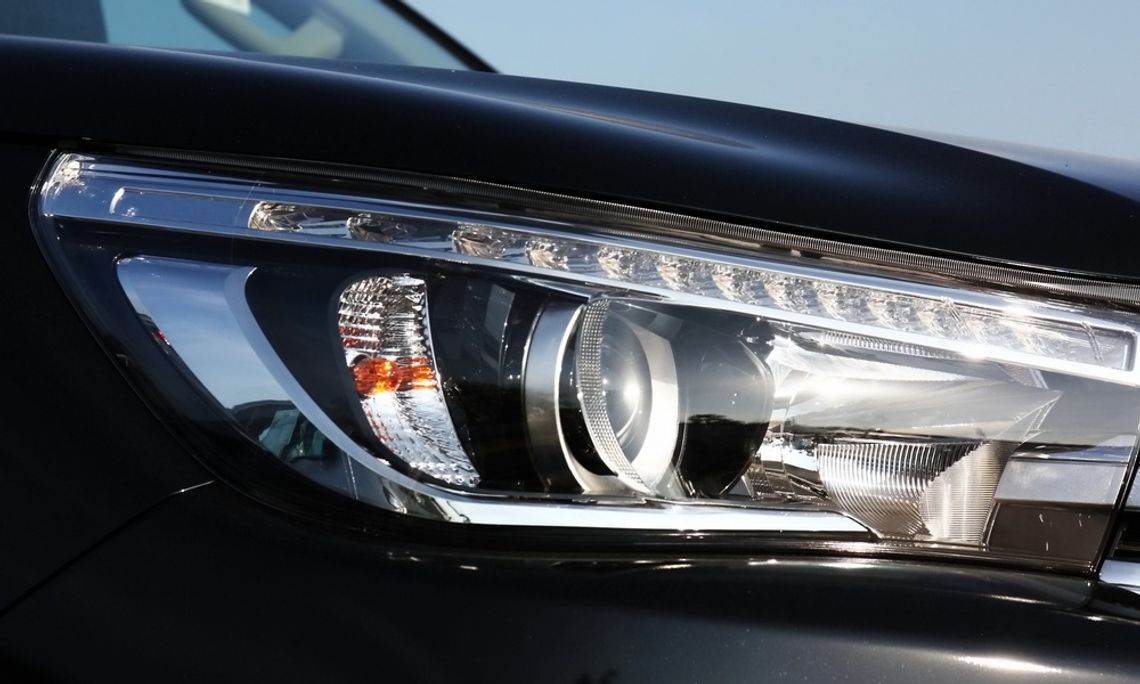
Truck lighting serves several purposes beyond illuminating the road at night. Some upgrades improve visibility on dark roads, while others provide focused lighting during off-road adventures or introduce a personalized appearance to the vehicle. From LED headlights to interior accent lighting, truck owners have numerous light options to consider for their truck.
LED Headlights
Factory headlights on many older trucks use halogen bulbs that produce a warm yellowish light. LED headlight assemblies produce a crisp white light and typically consume less electricity than traditional halogen systems. Their light output and distribution depend on the assembly’s design, making the quality of the optics just as significant as the technology itself.
For truck owners interested in upgrading pickup headlights to LED, a complete headlight assembly designed for the vehicle provides an alternative to installing LED bulbs in existing halogen housings. The replacement assembly must meet applicable road-use requirements.
LED Light Bars
Off-road driving introduces visibility challenges that standard headlights aren’t designed to address. On wooded trails or remote properties, drivers benefit from illumination that extends across the terrain beyond their truck’s regular headlight beams. LED light bars contain multiple light-emitting diodes inside an elongated housing that directs illumination across a broad area.
Mounting locations influence how effectively the light reaches the surrounding terrain. Roof-mounted bars provide an elevated lighting position, although their placement sometimes produces glare across the hood. Alternatively, bumper-mounted light bars direct illumination from a low position near the front of the truck. Some models feature combination beam patterns that provide both distance illumination and a broad spread of light near the vehicle.
Since these lights produce intense illumination, truck owners must observe applicable road-use restrictions. Many light bars are intended exclusively for off-road conditions and shouldn’t operate on public streets.
LED Pod Lights
Compact auxiliary lighting offers another option for drivers who frequently travel beyond paved roads. LED pod lights feature small housings that accommodate concentrated lighting elements. Their compact dimensions permit installation in locations where a full-length light bar would occupy excessive space.
Spot Beam Pod Lights
Drivers navigating remote trails sometimes encounter stretches of terrain that extend beyond the reach of conventional headlights. Spot beam pods concentrate illumination into a narrow pattern that projects light into the distance. This focused beam is useful when approaching trail obstacles or evaluating terrain directly ahead.
Many truck owners position these lights near the front bumper or grille. However, their concentrated output makes proper aiming essential to prevent unwanted reflections from nearby surfaces.
Flood Beam Pod Lights
When navigating uneven trails at low speeds, visibility near the vehicle becomes equally valuable. Flood beam pods distribute light across a wide area, illuminating the ground near the truck and sections of the surrounding trail.
Some drivers mount these lights near the windshield pillars to illuminate areas adjacent to the front wheels. Their positioning requires careful attention because reflected light across the hood or windshield could interfere with visibility.
LED Fog Lights
Heavy rain and morning fog introduce visibility challenges because suspended water droplets scatter incoming light. Standard headlights sometimes produce distracting glare when their beams strike moisture directly ahead of the vehicle. Properly designed fog lights address this issue through a low-mounted position and a broad beam pattern with a defined upper cutoff.
Many trucks feature factory mounting locations within the front bumper that accommodate replacement fog light assemblies. LED versions provide consistent illumination while using relatively little electrical power. Depending on the housing design, these lights produce a white or selective-yellow beam.
Unlike auxiliary off-road lighting, fog lights serve a specific function to combat poor weather conditions. Truck owners must select compliant assemblies and aim them appropriately to prevent excessive glare.
Rock Lights
Driving across rocky terrain at night presents challenges because obstacles close to the tires are difficult to identify from the driver’s seat. Rock lights illuminate the ground immediately beneath and around the truck. These compact LED fixtures typically attach to protected areas within the wheel wells or underneath the vehicle.
Their downward-facing placement exposes rocks and uneven ground that overhead lighting might leave in shadow. This illumination is useful when a spotter guides a truck through technical sections of an off-road trail.
Truck Bed Lights
Loading equipment into a pickup after sunset becomes frustrating when the cargo area lacks adequate illumination. Although many trucks feature an overhead cargo lamp near the cab, objects positioned near the tailgate sometimes remain in shadow. Supplemental LED bed lights distribute illumination throughout the cargo area.
Strip-style fixtures typically attach beneath the bed rails and direct light downward toward the floor. Their positioning allows truck owners to locate equipment without relying on handheld flashlights. Waterproof housings are favorable because exposed installations encounter rain and moisture.
Some systems connect to the existing cargo-light circuit, while others operate through independent switches. A dedicated switch permits illumination when organizing camping equipment or completing tasks around a parked truck.
LED Tailgate Light Strips
Rear-facing lighting upgrades attract truck owners interested in distinctive styling and additional signaling features. LED tailgate strips fit within the narrow space between the tailgate and rear bumper. The elongated design allows lighting elements to extend across much of the truck’s width.
Certain strips incorporate red running lights with dedicated brake and turn signal functions. Compatible models synchronize with the vehicle’s existing electrical signals to communicate braking and turning intentions.
Installation requires attention to electrical compatibility because some modern trucks use sensitive lighting circuits. Furthermore, supplemental lighting mustn’t interfere with factory lamps or violate restrictions concerning rear-facing light colors and functions.
Interior LED Accent Lights
Interior lighting presents an opportunity to personalize the cabin without altering the truck’s exterior appearance. LED accent strips fit beneath the dashboard or seats, producing a soft glow across the footwells. Depending on the system, drivers select a fixed color or adjust the illumination through a controller.
Subtle lighting makes the cabin visually distinctive and illuminates areas that conventional dome lights leave dark. However, excessive brightness could distract the driver or produce unwanted reflections across the windshield.
For a refined appearance, concealed strips provide illumination while hiding the individual lighting elements. Wiring placement deserves attention because loose cables near pedals could interfere with vehicle operation.
Install Lights That Enhance the Truck
With numerous types of lights you can install on a truck, the right option depends on the vehicle’s intended use and the owner’s preferences. Consider how frequently the truck travels at night and whether additional illumination would improve visibility in certain conditions. A thoughtful combination of functionality and personal style will produce an installation that suits the truck.
Comment
Comments