
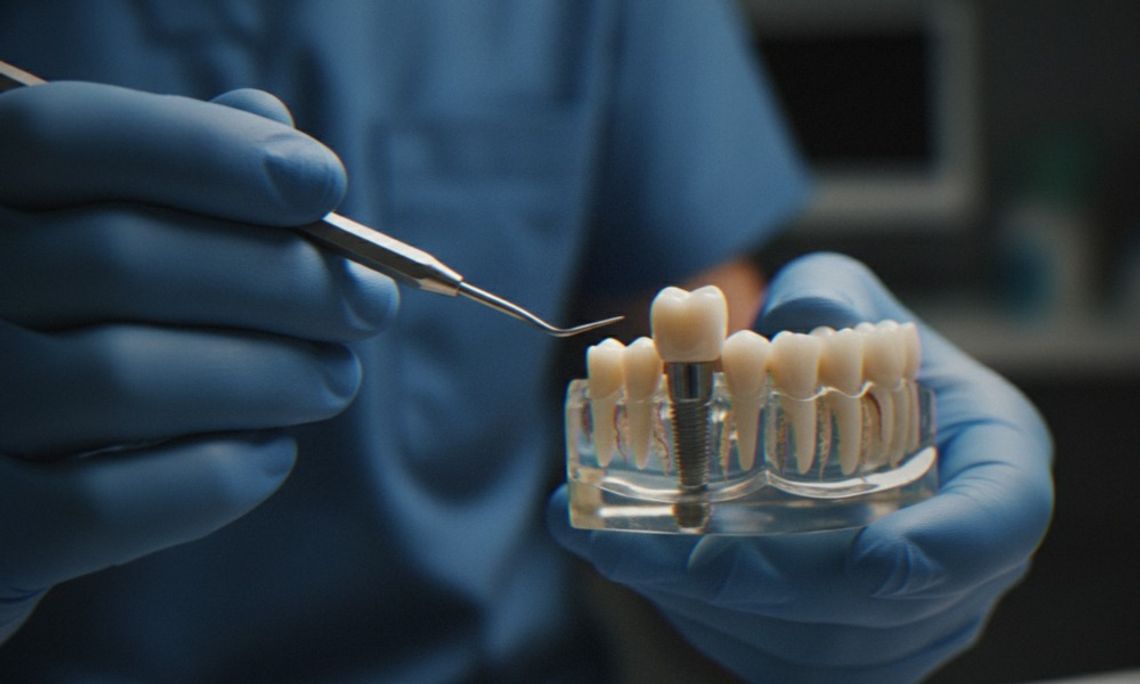
Missing a tooth can affect much more than the appearance of your smile. Everyday activities such as eating and speaking may become uncomfortable, while neighboring teeth can gradually shift into an empty space. Dental implants offer a durable option for replacing missing teeth and restoring oral function. Unlike removable replacements, implants anchor directly into the jawbone and support a custom restoration. Understanding the reasons why you may need a dental implant can help you recognize when this treatment deserves consideration. A dentist can evaluate your oral health and recommend an approach that suits your needs.
Replace a Tooth Lost To Decay
Severe tooth decay can damage a tooth beyond the point where a filling or crown can restore it. When infection reaches deep into the tooth, a dentist may consider root canal treatment before recommending extraction. However, extensive damage sometimes leaves removal as the safest practical option. An implant can replace the missing tooth without requiring support from adjacent healthy teeth.
After extraction, your dentist will assess the surrounding bone and gum tissue. Some patients can begin implant treatment relatively soon, while others need time to heal. Replacing the tooth can help restore comfortable chewing and prevent the gap from interfering with everyday routines.
Restore Your Smile After an Injury
Accidents can crack teeth or knock them out completely. A sports collision or unexpected fall may leave a tooth too damaged for repair. When immediate dental treatment cannot save the natural tooth, an implant may provide a stable replacement. Its crown can match the shape and shade of surrounding teeth, helping your smile look natural.
Your dentist will first check for injuries affecting nearby teeth and supporting structures. The timing of implant placement depends on the condition of the socket and jawbone. Addressing the damage promptly can preserve more treatment options and reduce the likelihood of additional complications.
Improve Your Ability To Chew
Missing teeth can make meals frustrating, especially when you avoid foods that require firm biting. You might start chewing on one side of your mouth or choosing softer meals simply to avoid discomfort. Over time, those adjustments can affect how evenly you use your remaining teeth. An implant provides a secure foundation for a replacement tooth that can withstand normal chewing forces once healing finishes.
Implants do not guarantee that every food will feel comfortable immediately. Your dentist will explain when you can resume different textures after treatment. With appropriate healing and a well-designed crown, many patients regain confidence during everyday meals.
Prevent Neighboring Teeth From Shifting
A missing tooth leaves open space that neighboring teeth may gradually move toward. This movement can change how your upper and lower teeth meet when you bite. Food may also collect in new spaces, making cleaning more difficult. Replacing the missing tooth with an implant can help maintain the intended spacing between surrounding teeth.
A dentist should evaluate your bite before placing the restoration. If nearby teeth have already shifted significantly, you may need additional treatment to create enough room. Early evaluation can help you understand whether an implant could prevent further changes.
Support Jawbone Health After Tooth Loss
Your jawbone responds to the forces that natural tooth roots transfer during chewing. After losing a tooth, the bone in that area no longer receives the same stimulation and may gradually shrink. Dental implants transfer chewing forces into the surrounding bone, which can help limit further bone loss around the replacement site.
Implants cannot reverse every change that occurred before treatment. If the jawbone lacks adequate volume, your dentist might recommend bone grafting before placement. A thorough examination helps determine whether the bone can support an implant safely over time.
Find an Alternative To Removable Dentures
Removable dentures work well for many people, but some patients struggle with movement or pressure against their gums. Others dislike removing their replacement teeth for cleaning. Implant-supported restorations may offer a more secure option, whether you need one tooth replaced or several missing teeth addressed.
An implant-supported denture can still be removable, depending on its design. Your dentist can explain the differences between fixed restorations and removable options. Choosing the right approach depends on your anatomy and the maintenance routine you feel comfortable following.
Avoid Altering Healthy Adjacent Teeth
A traditional dental bridge commonly relies on neighboring teeth for support. Preparing those teeth may require removing some healthy enamel so crowns can fit properly. An implant replaces a missing tooth independently, which can preserve the natural structure of adjacent teeth when they do not otherwise need treatment.
That advantage does not make implants the best solution for everyone. Bridges may suit patients who cannot undergo surgery or who already need crowns on neighboring teeth. Your dentist can compare both approaches based on the condition of your mouth.
Address Problems With an Existing Replacement
An older bridge or removable appliance may stop fitting comfortably as your mouth changes. You might notice irritation or difficulty keeping the restoration stable during meals. Sometimes the supporting teeth develop problems that make the original replacement less reliable. An implant may offer another way to restore the missing area.
Before replacing an existing appliance, your dentist will identify why it no longer works well. Treating gum inflammation or other underlying concerns may improve your options. An examination also helps establish whether implant placement would require additional preparation.
Understand the Treatment Process
Knowing what to expect when getting a dental implant can make planning easier. Treatment usually begins with an examination and imaging to assess your jawbone. Your dentist then develops a plan for placing the implant and attaching a restoration after appropriate healing. Some cases require extractions or grafting before the implant can go into position.
Healing times vary because each mouth responds differently. During follow-up visits, your dental team will monitor the implant and surrounding tissue. Consistent brushing and professional care remain essential after your replacement tooth becomes functional. Your dentist can also discuss costs and explain how the treatment timeline may differ from other available tooth replacement options.
Consider Your Overall Oral Health
Healthy gums and adequate bone support play important roles in successful implant treatment. Active gum disease can threaten the tissues around an implant, so your dentist may recommend treating inflammation first. Smoking and certain medical conditions can also influence healing. Discussing your medical history openly helps your dental team plan responsibly.
Implants require ongoing care rather than a one-time solution. You will still need routine dental visits and careful cleaning around the restoration. Your dentist can help determine whether this commitment fits your circumstances.
Take the Next Step Toward a Healthier Smile
The reasons why you may need a dental implant range from replacing a badly damaged tooth to improving comfort with an existing restoration. Treatment can restore function and help protect the surrounding structures, but your individual needs should guide the decision. Schedule a dental consultation to review your options and learn whether an implant offers the right solution for your smile.
Comment
Comments