
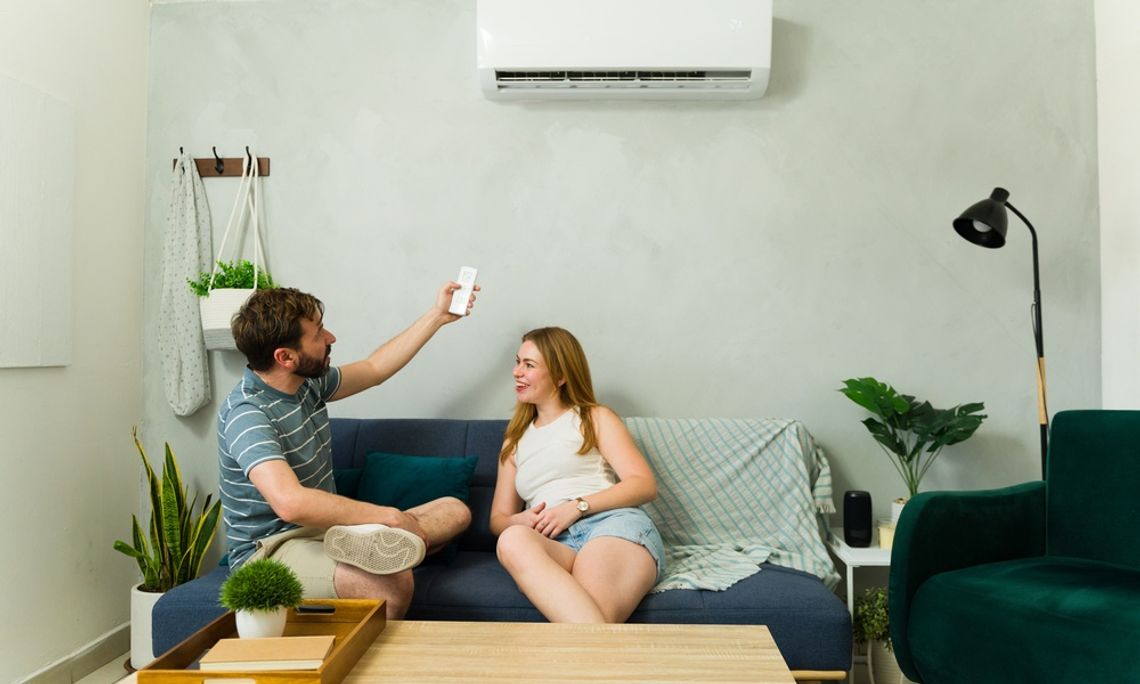
Your air conditioner has been running for what seems like forever, but your home still isn't getting much cooler. You start wondering whether something's wrong or whether your AC simply needs more time to cool the house. Longer cooling cycles aren't always a cause for concern, but certain operating patterns can point to problems worth investigating. Knowing these seven things about AC run times can help you understand your air conditioner's normal behavior and recognize when you might have a problem.
1. Your AC Doesn't Need a Fixed Run Time
You might expect your air conditioner to run for a predictable period whenever it turns on. Each cooling cycle lasts for however long your equipment needs to meet your home's cooling demand.
On a mild afternoon, your AC may reach your desired temperature relatively quickly. During hotter weather, it may run longer as heat continues entering your home.
Instead of timing every cycle, pay attention to whether your AC maintains your desired temperature. Consistent comfort is generally a more useful indicator of normal operation than the length of an individual cooling cycle.
2. Frequent Cycling Can Signal Trouble
Your air conditioner normally cycles on and off to maintain your thermostat setting. However, frequent short cycles may indicate a problem, especially if your home never reaches the desired temperature.
HVAC professionals call this behavior short cycling, which occurs when your AC repeatedly shuts off after running for only a short period. An oversized air conditioner or a poorly positioned thermostat can contribute to this behavior.
Know When To Investigate
You don't need to diagnose the problem yourself, but you can watch for changes in your AC's usual operation. Certain patterns deserve attention, particularly when they continue over several cooling cycles.
Watch for these warning signs:
- Your AC repeatedly shuts off shortly after starting
- Your home stays warmer than the temperature you've selected
- Your AC starts more frequently than usual
3. Your Thermostat Influences Cooling Cycles
Lowering your thermostat tells your AC to reach a cooler temperature, but it doesn't necessarily make your home cool down faster.
Imagine returning to a warm house and setting the thermostat several degrees below your usual preference. With a conventional single-stage air conditioner, that adjustment generally won't increase its cooling output. Instead, your AC may run longer as it works toward the lower temperature.
Choose a comfortable thermostat setting rather than lowering it excessively. This helps you avoid unnecessary cooling once your home reaches a comfortable level.
You should also consider whether your thermostat accurately reflects the temperature in your living space. For example, direct sunlight can warm the thermostat and cause it to register higher than the surrounding room. If you suspect an inaccurate reading, ask a qualified technician to evaluate its placement and operation.
4. Different AC Technologies Operate Differently
Air conditioners don't all regulate cooling output the same way, so operating patterns that seem unusual on one model may be normal on another.
A conventional single-stage air conditioner generally operates at a fixed cooling capacity when its compressor runs. Once the thermostat senses that the room has reached the target temperature, the compressor shuts off until cooling is needed again.
Inverter-driven air conditioners operate differently because they can adjust compressor speed as cooling demands change. Rather than constantly running at full capacity, they can reduce their output to maintain a comfortable indoor environment. This ability to regulate startup and shutdown cycles in inverter systems means your AC may run for longer periods without consuming as much energy as it would at full capacity.
Longer operation at reduced output may simply mean your AC is maintaining a steady indoor temperature. That's why it's important to consider your equipment's technology when evaluating its run time.
5. Equipment Size Affects Operating Patterns
You might assume that a larger air conditioner will always cool your home more effectively. However, an air conditioner that's too powerful for your home can create performance problems.
An oversized single-stage air conditioner may cool your home so quickly that it shuts off after a short cycle. Oversized equipment may also struggle to control humidity because short cooling cycles can limit moisture removal.
An undersized unit may face the opposite problem, running for extended periods without reaching your desired temperature. This becomes particularly noticeable during hot weather when your home requires more cooling than the equipment can provide.
6. Airflow Problems Can Extend Cooling Time
Your air conditioner needs adequate airflow to remove heat from your home. When airflow is restricted, cooling performance can suffer.
A dirty air filter is one common cause, as accumulated dust can restrict airflow through your cooling equipment. Your AC may struggle to maintain the desired temperature when it can't circulate enough air through the system.
Check your air filter according to the manufacturer's instructions, and clean or replace it as needed. If your home uses ductwork, make sure furniture doesn't obstruct supply or return vents.
Severely restricted airflow can also cause the evaporator coil to freeze. If you notice ice forming or your AC stops cooling properly, turn it off and contact a qualified technician.
7. Your Home's Condition Changes Cooling Demand
Your AC may also run longer when more outdoor heat enters your home. For example, afternoon sunlight can warm your living spaces and increase the demand for cooling.
Closing your blinds during the sunniest hours can help reduce that additional heat. Better insulation can also limit unwanted heat entering your home, making it easier for your AC to maintain a comfortable temperature.
You may notice that these improvements reduce the amount of cooling your home needs during warmer weather. However, you shouldn't expect every change to produce an immediate difference in your equipment's operating patterns.
Make Your AC Work for You
Knowing what's normal for your AC's run times can help you recognize unusual changes and address potential problems before they worsen. You don't need to watch the clock every time your AC starts, but knowing its usual behavior can help you catch potential problems.
The next time your AC runs, pay attention to whether it reaches your desired temperature and operates as expected. If something seems off, share your observations with an HVAC technician so you can address the issue with greater confidence.
Comment
Comments