
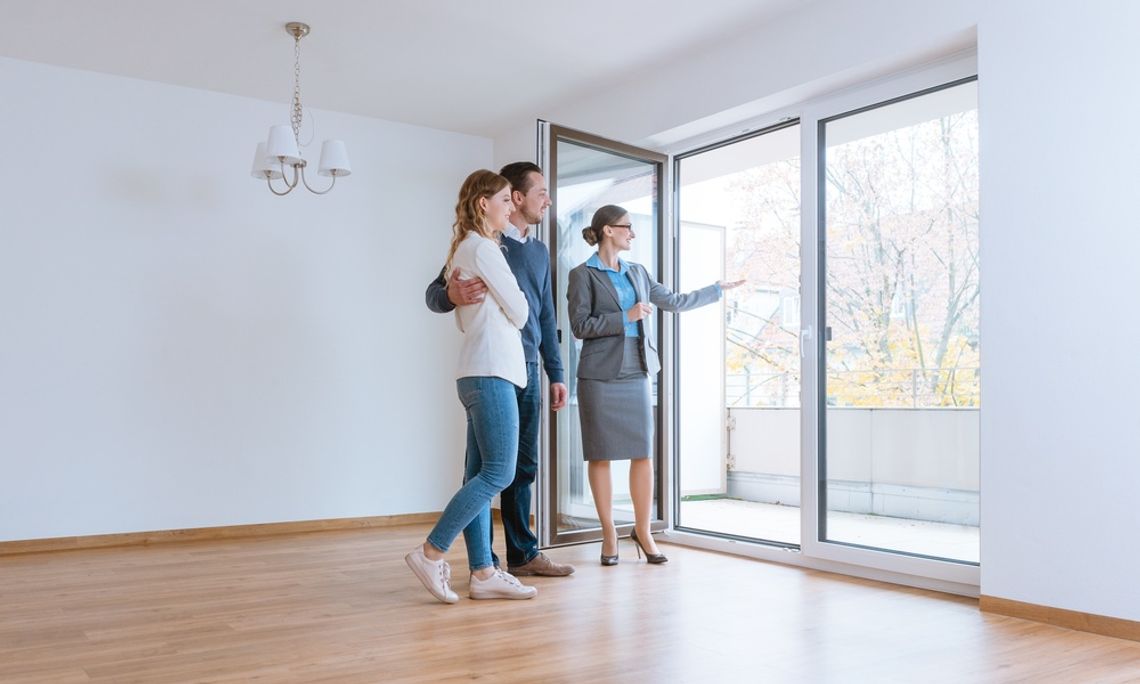
Walking into an empty house can feel exciting. Without furniture crowding the rooms, you can picture a breakfast table beside the window or a sofa facing the fireplace. The space looks full of possibilities, and that first impression can make a property seem ready for your next chapter.
But an empty home can hide problems just as easily as a furnished one. Nobody may have used the plumbing in weeks. A freshly cleaned room can conceal clues about past damage. Before you fall for the floor plan, give the details a closer look. Here’s what buyers miss during an empty home walkthrough.
Look Beyond Fresh Paint
New paint can brighten an older home, but it doesn’t tell you what’s underneath. Scan walls for uneven textures or patches that differ from surrounding surfaces. Check ceilings near bathrooms and windows for discoloration or bubbling.
A homeowner may simply have touched up normal wear. Still, ask when the work took place and why. If you notice suspicious spots, let an inspector investigate before assuming cosmetic improvements fixed an underlying problem.
Follow Signs of Moisture
Water damage can develop quietly, especially when no one visits regularly. Pay attention to musty odors in basement corners or under kitchen cabinets. Look for warped trim or stains along walls where they meet the floor.
A dry surface during your visit doesn’t rule out an intermittent leak. Rainfall or plumbing use may expose problems the vacant house hasn’t experienced recently. Ask about past water intrusion and arrange an evaluation if you spot moisture clues. Ignoring a small concern now could mean costly repairs later.
Think About Indoor Air
A house may smell neutral because nobody has cooked there recently. But pleasant air during one visit doesn’t reveal everything. Strong fragrances or fresh paint can also mask odors.
Consider air quality risks when you occupy a vacant home, particularly if ventilation has remained off for weeks. Moisture can encourage mold growth, while radon can enter through foundation openings without producing a noticeable smell. Ask about ventilation and arrange a radon test rather than relying on your nose. Let a qualified professional investigate suspected mold or other indoor air concerns.
Give Plumbing Attention
An empty bathroom may sparkle, but appearances won’t tell you how well the pipes work. With the seller’s permission, turn on faucets and watch how quickly sinks drain. Listen for unusual noises and note weak water pressure.
Ask whether the owner shut off the water or winterized the property. If so, a walkthrough may not reveal active leaks. Arrange appropriate testing during your inspection period and ask how old the water heater is. You want to understand the system before daily showers put it back to work.
Ask About Heating and Cooling
Comfortable weather can make it easy to overlook the heating and cooling system. Yet an idle furnace or air conditioner may have problems a tour won’t uncover. Ask for maintenance records and find out when someone last operated the equipment.
Have an inspector evaluate the system, and request a specialist if the findings raise concerns. Don’t run equipment outside safe operating limits just to feel air at a vent. A professional assessment provides more insight than a thermostat display.
Watch Floors and Doors
Freshly swept floors may look beautiful, but your feet can reveal details your eyes miss. Notice pronounced slopes or soft spots as you walk. Open interior doors and see whether they stick or swing unexpectedly.
An older house may settle over time without developing a serious structural problem. Still, uneven flooring alongside prominent cracks deserves expert attention. Don’t diagnose foundation trouble from a single sticky door. Use what you notice to ask specific questions during the inspection.
Check Electrical Details
Empty rooms make outlets easier to spot. Check whether rooms have enough convenient receptacles for your furniture plans. Watch for damaged covers or exposed wiring, but never touch any suspicious electrical components.
Ask whether the seller completed recent electrical upgrades and whether they obtained the permits. A home inspector can identify visible concerns, while a licensed electrician can evaluate issues that require a closer look. Understanding the electrical system helps you plan for safety and potential renovation expenses.
Walk Around Outside
Buyers sometimes spend so much time imagining life indoors that they overlook the exterior. Walk around the property if you can do so safely. Look at how the ground slopes near the foundation and whether downspouts direct rainwater away from the walls.
Check for damaged siding or loose gutters. Notice whether tree branches touch the roof. These observations don’t replace a professional evaluation, but they may reveal concerns you wouldn’t notice from the living room.
Search for Pest Clues
A vacant home can offer rodents or insects a quiet place to settle. Look for droppings in accessible storage spaces or gnaw marks near baseboards. Notice insect activity around windows or moisture-prone areas.
Avoid reaching into hidden cavities or disturbing suspicious debris. Ask a pest professional to investigate concerns. Even if the seller treated an infestation, find out whether anyone corrected the conditions that attracted pests.
Test the Layout With Measurements
Empty rooms often look larger than they feel once furniture arrives. Bring a tape measure and compare room dimensions with pieces you plan to move. Check whether a dining table leaves enough space to pull out chairs.
Think about where desks would sit in relation to outlets. Open closet doors to see how much usable space they leave. Impressive square footage doesn’t always translate into a practical layout for your daily routine.
Visit at Another Time
An empty house during a weekday afternoon may seem wonderfully quiet. That doesn’t reveal how the street feels during school pickup or evening traffic. If possible, revisit the neighborhood at another time of day.
Listen for nearby commercial activity and notice street lighting after dark. You can also check how sunlight changes inside during a second visit. These details rarely appear in listing photos, but they shape daily comfort.
Learn Why It’s Vacant
A property may sit empty because its owner relocated or finished an estate sale. Vacancy alone doesn’t signal trouble, but the timeline can guide your questions. Ask how long the home has stood empty and who has maintained it.
Find out whether someone checked for leaks during extreme weather. Request relevant seller disclosures and review known repair history. If utilities remain off, work with your agent to arrange suitable inspections before proceeding.
Make the Inspection Count
Your walkthrough helps you form questions, not final conclusions about hidden systems. Hire a qualified home inspector and explain which details caught your attention. Depending on the property, you might also need specialized radon testing or a closer evaluation of drainage.
Review the findings carefully and ask what deserves immediate repair versus future maintenance. No inspection can predict every problem, but professional advice can uncover issues a quick viewing misses.
Look Closer Before You Commit
Understanding what buyers miss during an empty home walkthrough can help you look beyond the excitement of a fresh start. Without furniture blocking your view, you have an opportunity to examine the property’s condition more closely. Ask how the home’s systems held up during the vacancy and pay attention to anything that deserves further investigation.
The goal isn’t to find a flawless house. It’s to understand what you’re buying before making a major commitment. A thoughtful walkthrough and professional inspection can help you enter your next home with greater confidence.
Comment
Comments