
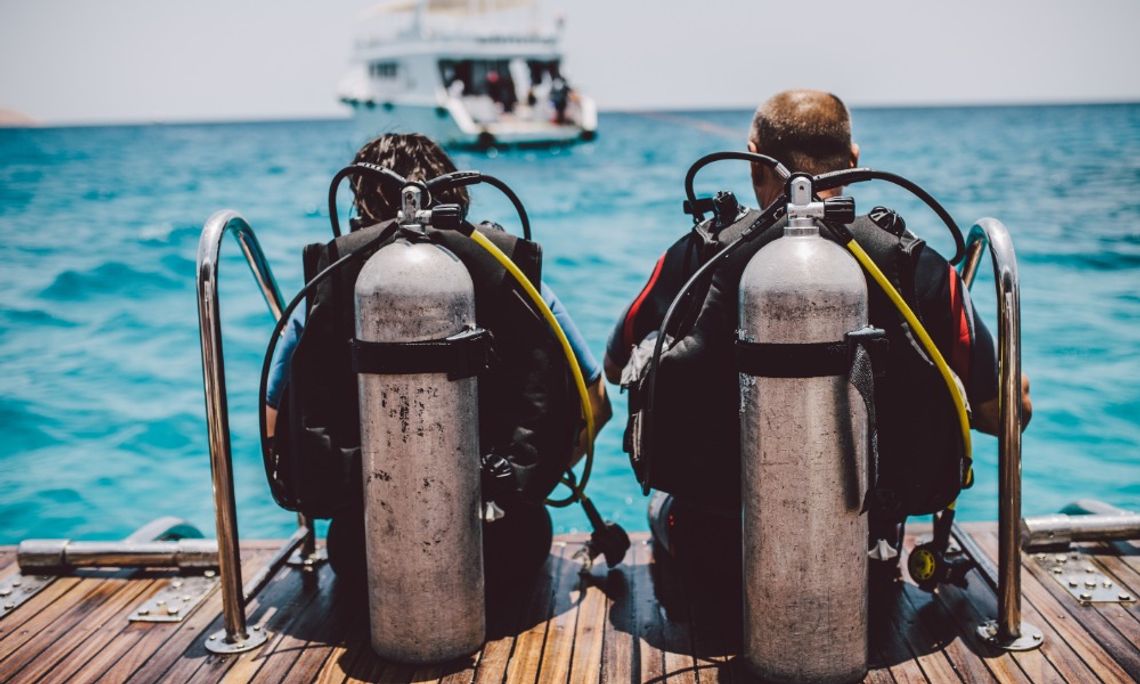
A full day of boat diving can deliver incredible underwater experiences, but the hours spent above the surface deserve nearly as much consideration as the dives themselves. Long rides and repeated gear changes can gradually drain the energy you would prefer to save for exploring below.
With a little preparation, you can make long dive boat days more comfortable without adding much to your routine. A few thoughtful habits can make the ride and surface intervals easier while leaving you with more energy to enjoy the reason you boarded the boat in the first place.
1. Set Up Your Gear With the Whole Day in Mind
Constantly digging through a dive bag gets frustrating on a crowded deck, especially when you have several dives ahead. Organize your equipment before departure so the items you expect to use repeatedly stay accessible without requiring you to unpack everything between dives.
Keep smaller essentials together in a secure place where they will not roll or slide as the boat moves. Once you establish your spot, return equipment there after each use. An orderly setup reduces unnecessary movement around the deck and makes preparing for the next entry feel less hectic.
2. Dress for the Time Between Dives
What feels comfortable underwater may not work nearly as well during a breezy ride back to the next site. Wet exposure protection can become chilly once you are sitting above the surface, while direct sun can make the same boat feel surprisingly hot later in the day.
Bring layers that make it easy to adjust as conditions change. A lightweight wind-resistant layer can be useful after leaving the water, while a hat or other sun protection may make exposed surface intervals more pleasant. Having something dry available can feel particularly welcome when the final dive is over, and a long ride back to shore still awaits.
3. Make the Boat Ride Part of Your Energy Plan
Divers naturally think about conserving energy once they enter the water, but a long journey to the dive site can take something out of you before the first descent. Spending an hour or more aboard the boat makes the trip itself worth considering when you have multiple dives ahead.
Your seating position can make a noticeable difference when the boat encounters choppy water. Repeated impacts can increase physical fatigue, which is one reason boat seat suspension can reduce fatigue on the water during longer rides. When seating choices are available, choose a secure position that provides comfortable support without interfering with crew operations or access to dive equipment.
Conserving some energy during transit becomes particularly useful when the itinerary includes several dives. You may appreciate that reserve later when you are gearing up again or climbing the ladder after your final dive.
4. Use Surface Intervals as Actual Downtime
Once everyone returns to the boat, it can be tempting to spend the entire surface interval reorganizing equipment or discussing every detail of the previous dive. Some preparation will always be necessary, but you do not need to remain busy every minute you are above water.
Finish the tasks that need immediate attention, then give yourself time to sit comfortably before gearing up again. A long dive day naturally creates a rhythm between activity and rest, and treating the quieter periods as genuine downtime can make the schedule feel less relentless.
You can still talk with your buddy or watch the coastline without turning the interval into another job. When the crew announces the next briefing, you may appreciate having spent part of the break doing very little.
5. Keep Food and Water Easy To Reach
Long days on the water can make simple necessities surprisingly inconvenient when clothes and spare equipment bury them at the bottom of your bag. Pack water and suitable food where you can reach them without dismantling your entire bag every time the boat changes sites.
Choose options you already know work well for you during active days. A dive trip is a poor occasion to experiment with unfamiliar foods when you may spend hours away from shore, so familiar choices can make planning easier.
Surface intervals provide a natural opportunity to reach for your water or food without interrupting dive preparation. Keeping both accessible means you can use those breaks comfortably without repeatedly unpacking and repacking your gear.
6. Minimize Unnecessary Gear Handling
Scuba equipment is heavy enough without moving it around the boat more than necessary. Whenever the vessel and crew procedures allow, assemble equipment in the designated area and leave it securely positioned between dives.
Before lifting or shifting a tank, weight system, or other bulky item, consider whether it actually needs to move. Asking a buddy or crew member for assistance when appropriate can make more sense than awkwardly maneuvering equipment across a moving deck by yourself.
The same principle applies after surfacing. Follow the boat’s established exit procedure and avoid rushing simply because other divers are waiting. Efficient gear handling is less about moving quickly and more about avoiding extra work that gradually adds to fatigue.
7. Save Some Comfort for the Ride Home
After the final dive, attention shifts toward packing equipment and getting back to shore. Yet the return trip may still take an hour or longer, and sitting in wet gear while surrounded by a pile of disorganized equipment is not an especially satisfying finish to an otherwise excellent day.
Before the first dive, protect a few things specifically for the journey back:
- A dry shirt, sweatshirt, or other comfortable layer
- A towel stored away from wet dive equipment
- Personal belongings you will want after you finish diving
- A separate place for wet items so they do not soak everything else
A little forethought can change how the entire day ends. The ride home can become a chance to relax and compare sightings with other divers while the boat heads toward shore.
Comfort Above Water Can Improve the Whole Dive Day
The best part of a boat-diving trip may happen underwater, but divers can spend a considerable portion of the day traveling between sites and preparing for the next entry. Paying attention to those hours makes sense when several dives and a long journey separate departure from the eventual return to shore.
Using these ways to make long dive boat days more comfortable can reduce unnecessary effort without requiring an elaborate routine. Thoughtful organization and genuine downtime between dives can leave more of your attention available for the underwater experiences you came to enjoy.
Comment
Comments