
Construction projects generate considerable waste through excavation, demolition, and material handling. Leftover concrete, timber, packaging, and excess soil can accumulate quickly when teams lack an effective waste management plan. Poor transportation decisions can make the problem worse by increasing fuel consumption and sending recoverable materials to landfills.
Hauling directly influences how construction sites manage waste throughout a project. Efficient transportation helps prevent material loss, limits unnecessary vehicle journeys, and makes recycling easier. Construction teams that improve their hauling operations can lower environmental impacts without compromising productivity.
Understanding the Environmental Impact of Construction Hauling
Construction sites rely on trucks to deliver supplies and remove unwanted materials. However, inefficient hauling increases transportation emissions and contributes to unnecessary material disposal. Trucks that carry partial loads or make repeated journeys consume more fuel than operations with carefully coordinated schedules.
Improper loading also creates environmental problems. Loose gravel, soil, and demolition debris can spill during transportation and contaminate nearby areas. These losses increase cleanup requirements and waste materials that workers could otherwise reuse.
Hauling efficiency also affects recycling opportunities. When workers combine different waste materials without considering recovery options, recycling facilities may struggle to process them. Better transportation planning helps keep recyclable materials separate and directs them toward appropriate facilities.
Plan Transportation to Minimize Construction Waste
Effective hauling begins before construction crews start moving materials. Project managers should estimate the quantities of soil, aggregates, demolition debris, and other materials that require transportation. These estimates help teams select suitable vehicles and develop practical collection schedules.
Choose Vehicles Based on Load Requirements
Vehicle selection influences both hauling efficiency and environmental performance. Large trucks carrying small loads waste transportation capacity, whereas smaller vehicles may require excessive trips to handle substantial volumes. Matching vehicle capacity to material quantities reduces unnecessary journeys and improves fuel efficiency.
Construction managers should also consider material weight rather than relying exclusively on volume. Heavy aggregates can exceed vehicle weight limits even when a truck bed appears partially empty. Proper load calculations help operators maintain safety and avoid additional transportation problems.
Coordinate Deliveries and Waste Collection
Construction sites can reduce unnecessary journeys by coordinating incoming deliveries with outgoing waste collection. Project managers should communicate with suppliers and hauling contractors to identify opportunities for efficient scheduling. When practical, trucks can collect suitable materials after completing deliveries instead of returning empty.
Route planning offers another opportunity to reduce fuel consumption. Operators can avoid congested roads and schedule collections around periods of heavy site activity. These adjustments reduce transportation delays and improve overall site organization.
Improve Loading and Unloading Procedures
Material handling affects how much usable material reaches its intended destination. Poor loading techniques can cause spills, damage supplies, or create unnecessary cleanup work. Construction teams should establish procedures that protect materials throughout transportation.
Prevent Material Buildup in Dump Trucks
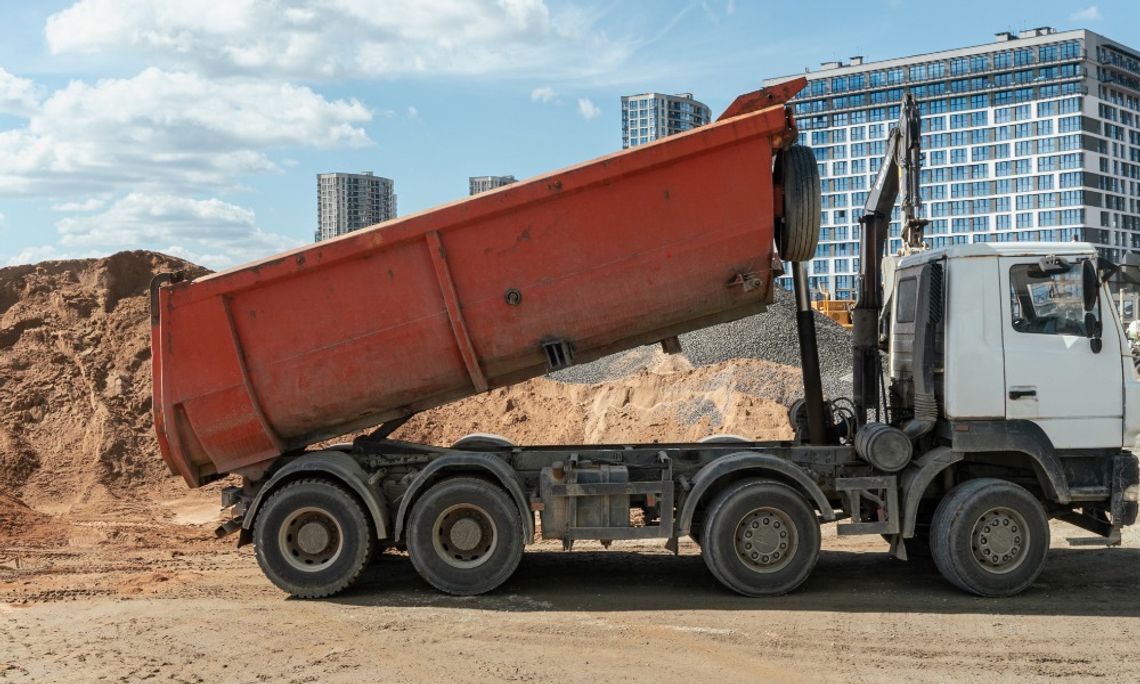
Certain construction materials cling to truck beds during unloading. Moist soil, clay, and other adhesive substances can remain inside the vehicle after operators raise the bed. This buildup reduces unloading efficiency and may require workers to remove leftover material manually.
Equipment maintenance can help address these problems. Protective truck bed liners may improve material release and reduce wear when operators select products that suit their hauling conditions. Assessing the ROI of dump truck liners can help businesses evaluate how liner selection affects equipment longevity and operating expenses.
Operators should also consider the environmental tradeoffs associated with protective equipment. Liners require manufacturing materials and eventually need replacement. Their overall value depends on durability, maintenance requirements, and their ability to reduce material buildup during regular operations.
Prevent Spillage During Transportation
Proper loading reduces the risk of losing materials before vehicles reach their destinations. Workers should distribute loads evenly and avoid exceeding manufacturer weight recommendations. Suitable covers can prevent loose materials from escaping during transportation.
Drivers should also inspect vehicles before leaving construction sites. Checking tailgates and load restraints helps identify potential problems before they cause spills. These precautions protect surrounding environments and reduce avoidable material losses.
Prioritize Recycling Through Better Waste Separation
Construction projects produce several materials that recycling facilities can potentially recover. Concrete, metals, and certain timber products can serve new purposes instead of occupying landfill space. Nonetheless, contamination and poor sorting can prevent facilities from recovering otherwise useful materials.
Sustainable hauling practices support recycling by keeping different waste streams separate during collection and transportation. Construction teams can establish designated areas for materials that require different processing methods. Clear signage helps workers identify the correct collection locations.
Concrete debris may become recycled aggregate after suitable processing. Scrap metal can enter established recycling systems, and clean soil may support approved landscaping or backfilling projects. Local regulations and facility requirements determine which materials qualify for recovery.
Construction teams should pay particular attention to hazardous substances. Materials containing asbestos or other harmful contaminants require specialized handling. Separating these substances prevents contamination and protects workers and recycling facilities.
Reduce Waste Through Smarter Construction Planning
Hauling improvements deliver greater environmental benefits when construction teams prevent waste before it occurs. Accurate material estimates help contractors avoid ordering excessive supplies. Proper storage also protects building materials from moisture damage and premature disposal.
Site design can reduce transportation requirements by limiting unnecessary excavation. Developers who preserve natural ground contours may need fewer truck journeys to remove soil. Protecting existing vegetation can also reduce land disturbance and support local biodiversity.
These decisions align with broader approaches to eco-friendly property development, which encourage developers to consider environmental impacts throughout construction. Integrating waste prevention into early project decisions helps construction teams avoid problems that transportation improvements alone cannot solve.
Maintain Hauling Equipment to Improve Efficiency
Equipment maintenance plays an essential role in reducing environmental impacts. Trucks with neglected engines or improperly inflated tires may consume more fuel than vehicles that receive regular servicing. Unexpected breakdowns can also disrupt collection schedules and require additional transportation arrangements.
Operators should inspect engines, hydraulic systems, and truck bodies according to manufacturer recommendations. Prompt repairs can prevent minor issues from developing into major equipment failures. Maintaining protective surfaces may also extend vehicle service life.
Driver behavior influences transportation efficiency as well. Smooth acceleration, consistent speeds, and reduced engine idling can limit unnecessary fuel consumption. Training programs help drivers understand how daily operating decisions affect environmental performance.
Track Waste Reduction and Hauling Performance
Construction businesses need reliable measurements to determine whether their hauling improvements produce meaningful results. Project managers can monitor fuel consumption, vehicle trips, material quantities, and waste disposal records. Comparing these figures across similar projects helps identify inefficient transportation patterns.
Waste tracking should distinguish between landfill disposal and genuine material recovery. Sending debris to a different location does not automatically mean a project has reduced waste. Teams should confirm that receiving facilities process recyclable materials appropriately.
Regular performance reviews also help managers refine collection schedules and vehicle assignments. For example, repeated trips with low load volumes may indicate opportunities to consolidate collections. Tracking these patterns encourages continuous improvement without relying on assumptions.
Building a More Environmentally Responsible Construction Industry
Smarter hauling helps construction businesses limit material losses and reduce unnecessary transportation. Coordinated schedules, careful handling, and effective recycling systems can lower the environmental burden associated with construction waste. These improvements also encourage businesses to think more carefully about how they manage materials throughout a project.
Long-term progress depends on consistent planning and responsible operating decisions. By treating sustainable hauling practices as part of everyday construction management, businesses can conserve valuable materials and contribute to cleaner building sites. Every avoided journey and successfully recovered material supports a more environmentally responsible construction industry.
Comment
Comments