
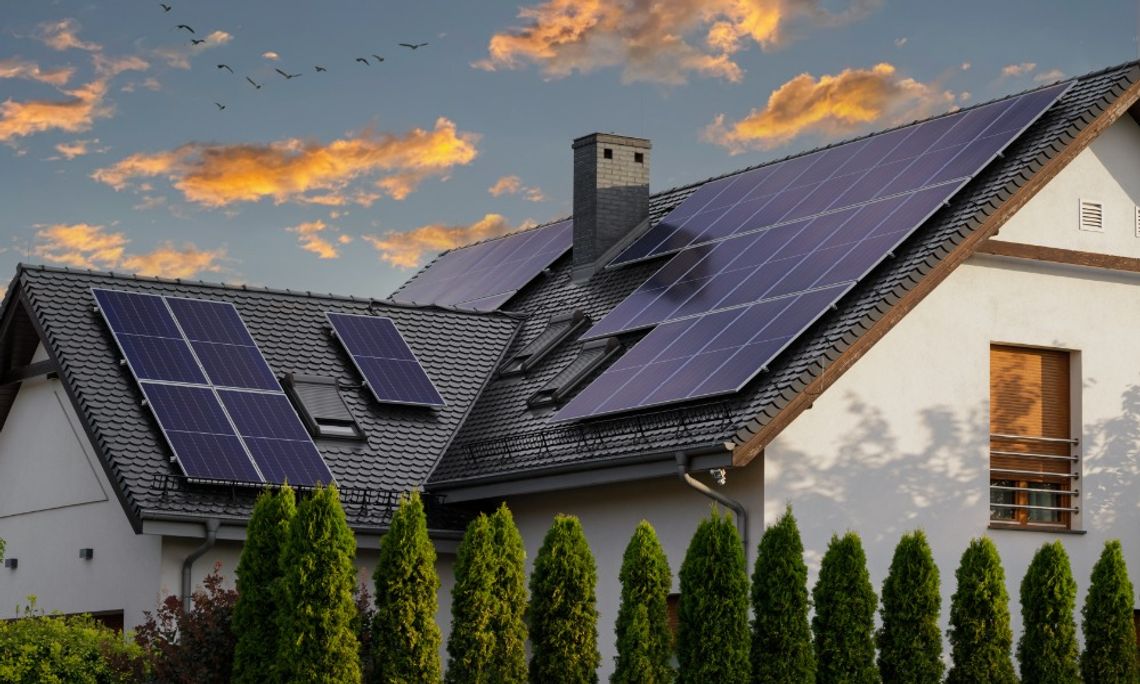
Installing solar panels yourself can seem like an appealing way to reduce energy costs while gaining more control over your home improvement project. However, solar systems demand careful planning and technical knowledge that many homeowners underestimate. Understanding the key challenges of DIY solar installation helps you recognize potential obstacles before investing in equipment or beginning construction.
Understanding Your Home's Energy Needs
A successful solar project begins with an accurate picture of household electricity consumption. Review your utility bills to identify seasonal changes and estimate how much energy your system should generate. Consider whether future appliances or an electric vehicle might increase demand. A system that produces too little electricity may leave you disappointed with the savings, while oversized equipment can unnecessarily increase upfront costs.
Solar production also depends on local weather patterns and available sunlight throughout the year. Homeowners must evaluate roof orientation and potential shading before choosing a system size. An incorrect estimate can influence every purchasing decision that follows. Taking time to understand your energy requirements reduces the likelihood of expensive adjustments after installation.
Evaluating Roof Conditions and Placement
Not every roof provides a suitable foundation for solar equipment. Before installing panels, inspect the roof for aging materials and structural concerns that could compromise the project. Solar arrays add weight, and mounting hardware must connect securely to appropriate structural supports. Homeowners who overlook existing damage may face repairs that require removing newly installed panels.
Panel placement presents another challenge because surrounding trees and nearby buildings can limit sunlight. You also need enough usable roof space to accommodate the planned array without interfering with required access areas. Complex roof shapes may restrict mounting options and complicate installation. A professional structural assessment can help identify issues that a visual inspection cannot reveal.
Navigating Permits and Local Regulations
Residential solar projects often require permits before construction begins. Local authorities may review electrical plans and mounting details to confirm compliance with applicable codes. Requirements differ by jurisdiction, so advice from another homeowner may not reflect the rules governing your property. Starting work without the necessary approvals can create costly delays and additional corrections.
Some utility companies also require separate applications before allowing a solar system to connect to the grid. Homeowners must understand the inspection process and obtain permission before operating an interconnected system. Missing paperwork can postpone activation even after physical installation ends. Researching these obligations early helps prevent avoidable setbacks.
Handling Electrical Work Safely
Electrical installation introduces risks that homeowners should never underestimate. Solar panels generate electricity when exposed to sunlight, and components can remain energized during portions of the installation process. Improper wiring can cause electric shock or create dangerous overheating conditions. Understanding basic household wiring does not automatically qualify someone to install photovoltaic equipment safely.
Solar systems also require compatible protective devices and correctly sized conductors. Connections must follow equipment instructions and applicable electrical codes. Mistakes can damage expensive components or create hazards that remain hidden until the system operates under demanding conditions. Hiring a qualified electrician for specialized work can reduce risks, although local rules may require licensed professionals for particular tasks.
Managing Physical Installation Challenges
Working on a roof introduces fall hazards, particularly when carrying bulky solar panels. Equipment can become difficult to control in windy conditions, and uneven surfaces make movement more dangerous. Homeowners need suitable fall protection and a realistic understanding of their physical capabilities. Rushing through mounting work increases the likelihood of injuries and installation mistakes.
Accurate measurements also matter when positioning rails and securing mounting hardware. Poor alignment can complicate panel attachment or place unnecessary stress on components. Incorrect roof penetrations may allow water to enter the home long after installation. Protecting the roof requires mounting methods appropriate for its construction and careful attention to manufacturer instructions.
Choosing Compatible Solar Equipment
A DIY installation involves more than purchasing panels at an attractive price. Inverters must work with the selected modules, and mounting equipment must suit the installation surface. Electrical components also need appropriate ratings for the intended system configuration. Purchasing incompatible products can delay construction and force homeowners to replace equipment they cannot return.
Equipment specifications may appear straightforward until you compare voltage limits and operating conditions. Homeowners should understand how changing temperatures affect panel performance and system design. Batteries introduce additional compatibility considerations for projects that include energy storage. Consulting knowledgeable suppliers can help clarify requirements before you commit to major purchases.
Accounting for Hidden Project Costs
Lower labor expenses make DIY installation appealing, but materials represent only part of the overall investment. Permit fees and specialized tools can raise the final price beyond initial expectations. You may also need professional electrical services or structural modifications before the system becomes operational. These expenses can narrow the difference between independent installation and professional service.
When calculating if DIY solar is worth it, consider the value of your time alongside direct spending. Researching equipment and resolving technical problems can require substantial effort. Unexpected delays may also postpone the energy savings you hoped to achieve. Comparing complete project costs provides a more realistic picture than focusing solely on panel prices.
Understanding Warranties and Long-Term Maintenance
Solar equipment often includes manufacturer warranties, but coverage may depend on proper installation. Some warranties exclude damage caused by incorrect mounting or wiring practices. Homeowners should review terms before purchasing equipment rather than assuming every problem qualifies for replacement. Warranty claims can become especially complicated when multiple suppliers provide different system components.
Ongoing maintenance also becomes your responsibility after installation. You must monitor production and recognize performance changes that could indicate equipment problems. Diagnosing electrical faults may require professional assistance even when you completed the original project yourself. Planning for future maintenance helps protect the value of your investment.
Keep detailed records of your equipment purchases and installation decisions throughout the project. Organized documentation can simplify inspections and help technicians understand the system if you eventually request professional repairs.
Making a Confident Solar Installation Decision
The key challenges of DIY solar installation extend beyond the initial effort of mounting panels. Successful projects require accurate planning and strict attention to safety throughout the process. Homeowners should assess their technical abilities and local requirements before deciding how much work to undertake independently. Professional guidance can help address complicated tasks without abandoning your interest in solar energy. Choosing an approach that matches your skills and budget supports a safer installation and more dependable long-term performance.
Comment
Comments