
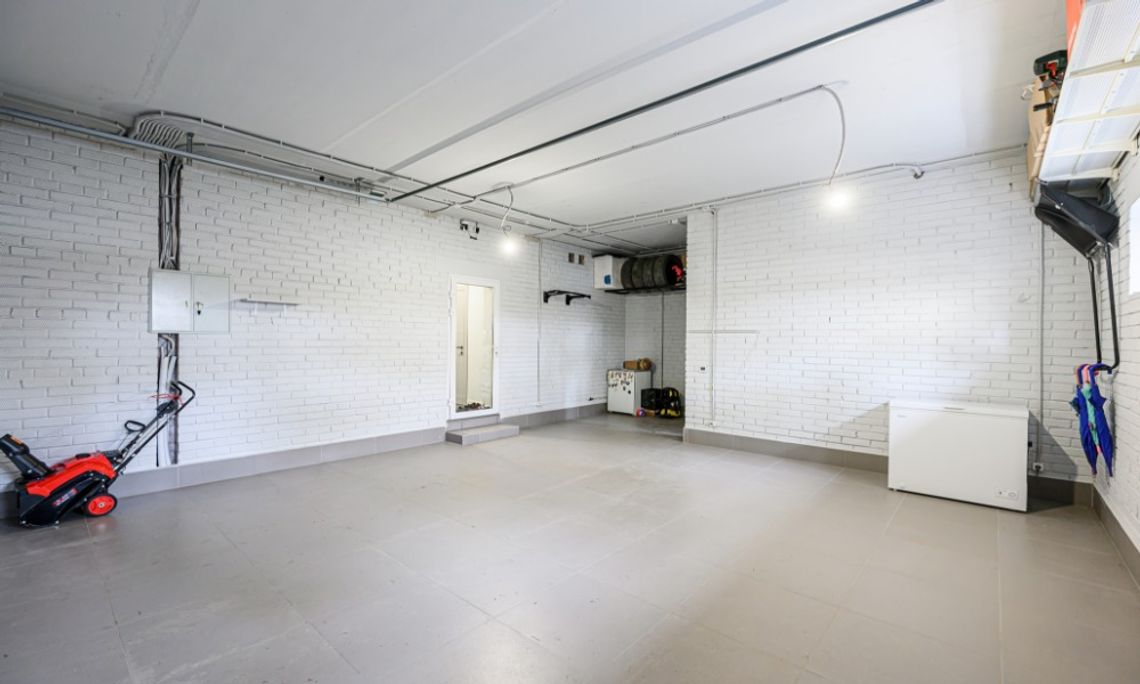
On a hot afternoon in Pelahatchie, your garage sometimes feels warmer than the air outside. You open your chest freezer expecting everything to be frozen solid, only to notice a few packages starting to soften. The motor is still running, so what's going wrong? Your freezer worked fine during spring, but Mississippi's summer temperatures seem to be causing problems.
Understanding why garage freezers struggle in Mississippi heat starts with the appliance's surroundings. Before assuming your freezer needs replacing, take a closer look at where it sits and how it operates during the hottest months.
Mississippi Garages Get Hotter Than You Expect
If your garage doesn't have air conditioning, you've likely noticed how uncomfortable it gets on summer afternoons. Even when outdoor temperatures hover around 95 degrees, an enclosed garage can get much hotter. Direct sunlight heats the roof throughout the day, while limited ventilation traps warm air inside.
Your freezer has to work against those conditions. The compressor circulates refrigerant through the cooling system, removing heat from the interior. As surrounding temperatures rise, it becomes harder to release that heat.
The compressor often runs longer to maintain your selected temperature. This increases electricity use and puts extra strain on the cooling system. Eventually, some appliances struggle to maintain their usual freezing temperatures.
Check Whether Your Freezer Is Garage-Ready
Not every freezer handles extreme temperatures equally well. Manufacturers design some models specifically for spaces without consistent temperature control, while others require more moderate surroundings.
Garage-ready freezers generally tolerate a wider range of ambient temperatures. Some models operate within manufacturer-approved conditions ranging from 0 to 110 degrees Fahrenheit. Other appliances have different limits, so check the specific model.
Find the Manufacturer's Temperature Requirements
Look for the model number on your freezer and locate its owner's manual. The installation section should explain the acceptable surrounding temperature range.
If your garage exceeds the manufacturer's limit in summer, your appliance may struggle even if every component works properly. Moving the freezer to a cooler utility room may be a better solution than paying for unnecessary repairs.
Also, remember that a combination refrigerator-freezer operates differently from a standalone freezer. Don't assume both appliances have identical temperature requirements just because they're from the same brand.
Give Your Freezer Enough Room To Release Heat
Your freezer needs space around its exterior to release the heat it removes from your groceries. Unfortunately, garages often become crowded with storage shelves and household supplies.
When boxes sit against the appliance, they sometimes restrict airflow around important components. The cooling system then has a harder time releasing heat into the surrounding air.
Check the clearance recommendations in your owner's manual. Depending on the model, the manufacturer may require several inches of clearance around the cabinet. When possible, keep the freezer away from direct sunlight! Placing the cabinet beneath a sunny garage window exposes it to extra heat throughout the day.
Monitor the Temperature Before Food Starts Thawing
Your freezer might feel cold when you open it, but touching a frozen package won't tell you whether the appliance maintains a safe storage temperature. For long-term frozen food storage, aim for 0°F or lower. An inexpensive freezer thermometer helps you confirm the actual temperature instead of relying on the control dial.
Place the thermometer where you can read it without moving several packages. Check the reading regularly, especially during extended periods of extreme heat.
You might notice your freezer maintains the correct temperature overnight but struggles during the hottest afternoon hours. Monitoring these changes helps you determine whether the surrounding heat contributes to the problem.
Inspect Door Seals Before Blaming the Compressor
Warm air sometimes enters a freezer through a damaged door gasket. The gasket seals the cabinet to the door or lid, helping the appliance retain cold temperatures.
Over time, the rubber may crack or lose flexibility. Dirt can also prevent the gasket from making proper contact with the cabinet. Inspect the entire seal for visible damage. Clean away accumulated dirt according to the manufacturer's instructions, paying attention to areas where the gasket folds.
Avoid Overloading the Freezer After Grocery Runs
Buying groceries in bulk makes sense for many Pelahatchie families, especially when shopping trips involve driving to larger stores outside town. A garage freezer offers extra room for purchases you don't plan to use immediately. Still, loading large quantities of food at once creates additional work for the cooling system.
When you bring home several packages that have warmed during transportation, the freezer must remove that added heat. Transfer refrigerated groceries to cold storage promptly. Cool cooked foods safely in the refrigerator before transferring them into the freezer, rather than leaving them on the counter for extended periods.
Prepare Your Garage Freezer for Summer Power Outages
Thunderstorms sometimes interrupt electricity across central Mississippi. When the power goes out, a freezer sitting in a hot garage becomes a major concern.
Before severe weather arrives, take a few precautions:
- Keep an appliance thermometer inside the freezer.
- Freeze extra water containers to help keep food cold.
- Check that the door closes completely before a storm.
- Keep a record of when an extended power outage begins.
Once electricity returns, check your food carefully. Products with ice crystals or temperatures at or below 40 degrees Fahrenheit generally qualify for safe refreezing. Discard perishable foods that have remained above 40 degrees for more than two hours! Never rely on smell or appearance to determine whether thawed food is safe.
Keep Your Freezer Organized To Avoid Wasting Groceries
An extra freezer should make grocery shopping more convenient. Unfortunately, keeping food out of sight can make you forget what's inside until months have passed.
If you want to reduce food waste in your kitchen, organizing your frozen food is a practical starting point. Check your existing supplies before buying additional groceries, and plan upcoming meals around ingredients you already have.
Label containers with the date you froze their contents. This helps your household identify older meals without repeatedly opening packages.
Prevent Freezer Problems Today
For Pelahatchie homeowners, preventing freezer problems begins long before the hottest afternoon arrives. Check the operating temperature in spring and address small maintenance issues before summer puts extra demands on the appliance.
Once you understand why garage freezers struggle in Mississippi heat, you'll know what to check before spending money on repairs. Paying attention to the surrounding temperature helps protect your groceries and keeps your freezer working more reliably through another Mississippi summer.
Comment
Comments