
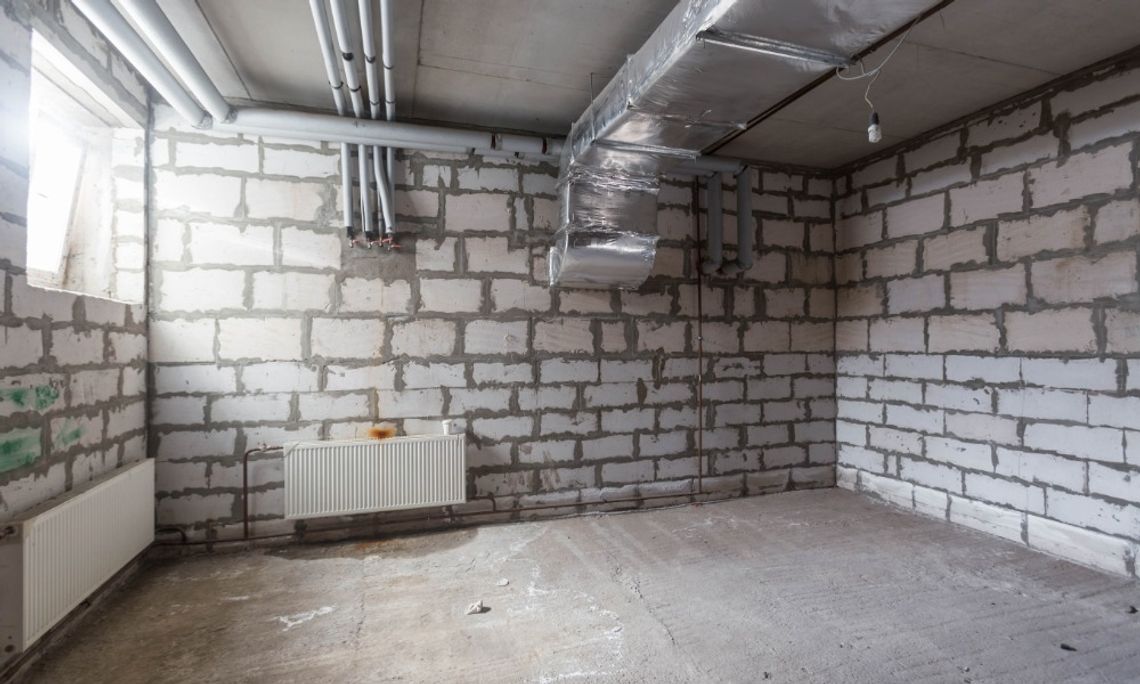
An unfinished basement holds plenty of untapped potential. Maybe you envision a comfortable family room, a home office, or a place where the kids can spread out without taking over the living room. Before choosing flooring and paint colors, however, it's worth looking closely at what's already happening beneath your home.
Older basements often come with surprises. Aging plumbing, hidden moisture, foundation cracks, and outdated electrical systems can complicate even a straightforward renovation. Covering these problems with drywall and flooring won't make them disappear.
For homeowners in Pelahatchie and surrounding Mississippi communities, humidity and heavy rainfall make careful basement preparation especially important. Knowing what to check before finishing an older basement can prevent expensive repairs and create a healthier, more comfortable living space.
Signs of Water Intrusion
Water is one of the biggest concerns when you’re renovating an older basement. Even a space that appears dry during a walkthrough might experience moisture problems after heavy rainfall.
Check the walls, floors, and corners for discoloration, peeling paint, mineral deposits, or damp patches. A musty smell can also indicate moisture trapped behind existing materials. Pay particular attention to areas near windows, plumbing penetrations, and the junctions between basement walls and floors; these locations can provide clues about where water enters.
Don't assume that a basement is waterproof simply because you've never noticed standing water. Moisture can move through porous concrete and masonry without creating obvious puddles.
Before installing insulation or finished flooring, identify and correct the source of any moisture. Otherwise, your renovation could trap dampness in newly enclosed spaces.
The Foundation
Older foundations naturally experience wear, but not every crack means the same thing. Small hairline cracks may develop as concrete cures or as the house settles, but larger cracks, horizontal fractures, or walls that appear to bow inward suggest more serious structural concerns.
Inspect the entire foundation, including areas around windows, support columns, and utility openings. Look for uneven floors, doors that no longer close properly, and changes in crack width. If something looks concerning, have a qualified professional evaluate it before construction begins.
Foundation cracks also deserve attention for reasons beyond structural stability. Openings in basement walls and floors can create pathways for soil gases to enter a home. For instance, foundation cracks can affect radon entry, so don’t overlook these openings during renovation planning. Repairing any foundation problems before installing finished walls makes future maintenance easier and protect your investment.
Plumbing and Drainage Systems
Older plumbing systems may work adequately until a renovation makes them harder to access. Before framing walls, check exposed supply lines, drainpipes, and plumbing connections for corrosion, slow leaks, unusual staining, or evidence of previous repairs. Consider whether the existing plumbing can accommodate your renovation plans—adding a bathroom, laundry area, or wet bar may require substantial changes.
Drainage deserves equal attention. A basement bathroom might need specialized wastewater equipment, depending on the location of the home's sewer connection. Have a licensed plumber assess any questionable components and determine whether upgrades are necessary. Replacing aging pipes while everything is exposed is much easier than tearing into newly finished walls if a leak develops.
The Electrical System
A finished basement typically needs more electrical capacity than an unfinished storage area. Lighting, televisions, computers, heating equipment, and additional outlets can place new demands on an older electrical system.
Start by identifying the location and condition of the electrical panel. Determine whether sufficient capacity exists for your planned improvements. Check for outdated wiring, damaged insulation, overloaded circuits, or questionable modifications from previous owners.
A qualified professional should perform electrical work, particularly when an older home has undergone multiple renovations. A licensed electrician can also determine appropriate outlet placement, lighting circuits, and required safety protection. Planning these details early prevents awkward extension-cord arrangements and expensive changes after drywall installation.
Ceiling Height and Structural Supports
An older basement might look spacious until you account for everything required to finish it. Flooring, ceiling materials, insulation, ductwork, and lighting fixtures can reduce usable headroom. Measure the ceiling height at several locations, especially beneath beams, pipes, and HVAC ducts. Also examine support posts, floor joists, and visible framing for deterioration or unusual movement.
Never remove or relocate structural supports to create a more open floor plan. These changes require professional evaluation and, potentially, engineered modifications. Before finalizing your layout, confirm local building requirements for ceiling height and emergency escape openings.
Ventilation and Humidity Control
Mississippi's humid climate can make basement comfort challenging, especially during warmer months. A basement may feel naturally cool while holding excessive moisture. Without proper humidity control, finished surfaces can develop condensation, unpleasant odors, and mold.
Evaluate the existing heating and cooling system to determine whether it can adequately serve the additional living area. A contractor may recommend adjustments to ductwork, dedicated climate-control equipment, or supplemental dehumidification. Air circulation matters, too. Rooms without adequate airflow can feel stale even when temperatures remain comfortable.
Choose insulation and wall assemblies appropriate for below-grade construction. Materials and installation methods that work upstairs aren't necessarily suitable for basement foundation walls. The goal is to create a space that stays comfortable throughout the year without trapping moisture inside the walls.
Older Materials
Depending on the home's age, some existing materials may contain substances that require special handling. Older floor tiles, adhesives, pipe insulation, and other building products can contain asbestos. Homes built before 1978 may also contain lead-based paint. Avoid disturbing suspicious materials until a qualified professional has evaluated their composition—cutting, sanding, or removing hazardous materials without proper precautions can create unnecessary exposure risks.
Build a Better Basement From the Ground Up
Knowing what to check before finishing an older basement means looking beyond the exciting design possibilities and evaluating the home's condition. Moisture, foundation integrity, the potential presence of radon, plumbing, electrical systems, and ventilation all deserve attention before you conceal them with new walls and flooring.
A thoughtful inspection can uncover problems while they're still relatively accessible and help you establish a realistic renovation budget. Once the most important systems are in good condition, you can focus on creating a basement that genuinely improves your home. Whether the finished space becomes a family gathering spot, guest retreat, or quiet workspace, a solid foundation will make the investment worthwhile.
Comment
Comments