
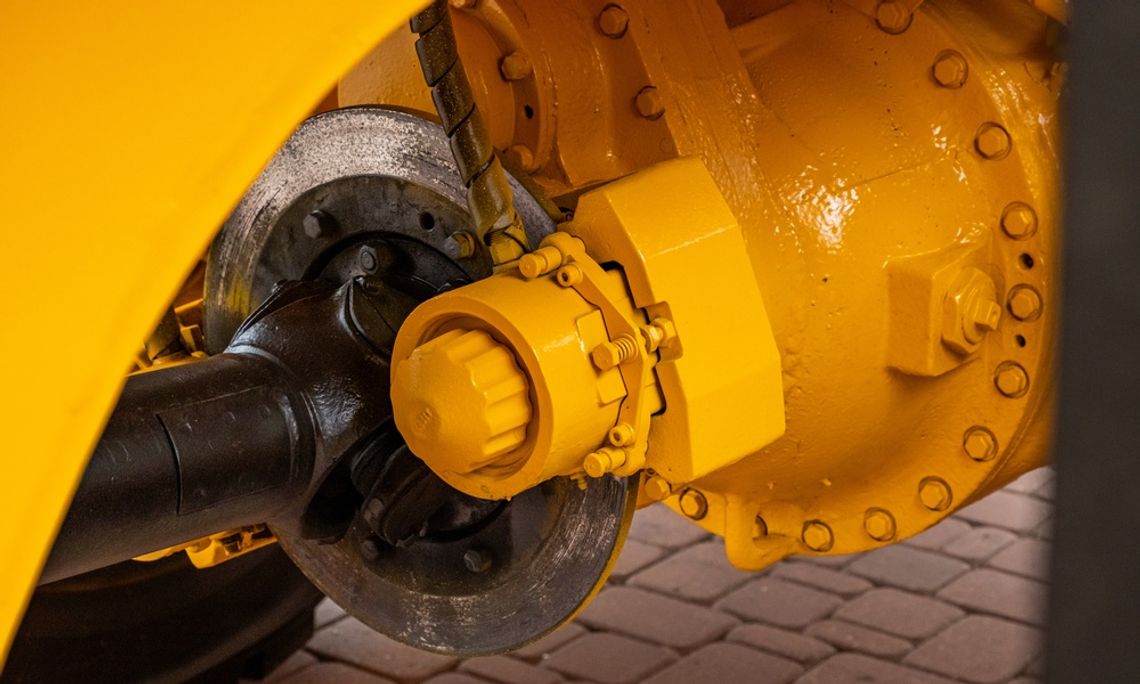
Without dependable braking systems, heavy-duty equipment cannot navigate steep grades and uneven terrain safely. Repeated stops, abrasive materials, and demanding operating cycles place considerable stress on brake components. Even a small change in braking response deserves investigation because equipment weight and momentum leave little room for mechanical failure. Recognizing common brake problems in heavy-duty equipment gives operators and maintenance teams valuable insight into developing faults before they threaten jobsite safety.
Brake Fade From Excessive Heat
Loaded haul trucks and other heavy machines generate substantial heat whenever their service brakes slow the equipment. Friction converts motion into thermal energy, and repeated braking on steep grades places intense demands on the system. When friction surfaces exceed their effective operating temperature, braking performance deteriorates, creating a condition known as brake fade.
Operators might notice declining stopping power, unusual odors, or a change in braking response. Heat damage may affect friction materials and surrounding components, even after the brakes cool. Maintenance crews should investigate overheating, assess the condition of affected components, and verify that operators use the machine’s designated retarding systems appropriately.
Premature Brake Wear From Abrasive Debris
Construction sites and mining operations expose machinery to dust, sand, and loose material that threaten exposed brake assemblies. Fine particles collect around friction surfaces, where repeated braking may grind abrasive debris against pads, rotors, or other components. Mud compounds the problem by trapping grit around mechanical assemblies and restricting normal component movement.
Premature wear may appear as deep scoring, uneven friction surfaces, or unusual grinding sounds during braking. Technicians should inspect exposed assemblies for accumulated material and determine whether protective covers or seals have deteriorated. Removing debris through appropriate cleaning procedures and replacing damaged components prevents abrasive contamination from continuing to compromise brake performance.
Uneven Brake Wear From Misalignment
Friction components rely on proper alignment to distribute braking force across their contact surfaces. When caliper hardware binds, mounting components loosen, or mechanical parts shift from their intended positions, braking pressure may concentrate unevenly. Consequently, one portion of a brake pad or lining experiences excessive friction while another receives insufficient contact.
Uneven wear may produce vibration, inconsistent stopping response, or premature component replacement. Maintenance technicians should compare friction material thickness across the assembly and inspect the associated mounting hardware. Addressing the mechanical cause is essential because installing fresh friction components won’t correct the misalignment responsible for the original damage.
Hydraulic Pressure Loss From Damaged Lines
Many off-highway machines use hydraulic pressure to operate their service brakes. Pressurized fluid travels through hoses, fittings, and internal passages to activate the braking mechanism. Unfortunately, constant vibration, repeated articulation, and contact with surrounding structures place hydraulic connections under considerable stress. A damaged hose or deteriorating seal may eventually permit fluid to escape.
As pressure falls, the system may struggle to deliver sufficient braking force. Warning indicators, visible fluid leaks, or abnormal pedal response warrant immediate investigation. Technicians should inspect damaged connections, identify the source of pressure loss, and repair the affected circuit before returning the machine to service. External leaks aren’t the sole concern, since internal valve leakage may interfere with pressure retention.
Air Pressure Problems in Pneumatic Brakes
Certain heavy-duty machines rely on compressed air to activate their braking systems. These arrangements depend on adequate air supply and properly functioning control components to produce the intended stopping response. Damaged air lines, leaking fittings, and compressor problems could compromise the pressure available for braking operations.
Moisture introduces another concern when it accumulates inside air reservoirs or pneumatic components. Corrosion and restricted passages may interfere with valve operation, potentially producing delayed or inconsistent brake response. Operators should investigate pressure warnings and unusual compressor cycling, while qualified technicians inspect the air supply system for moisture accumulation and defective components.
Wet Disc Brake Problems From Contaminated Oil
Many loaders, haul trucks, and other off-highway machines use enclosed wet disc brakes to withstand demanding operating environments. Their friction discs operate in a specialized oil bath that provides lubrication and carries heat away from the assembly. However, contaminated oil may interfere with friction performance and accelerate damage to internal components.
Water infiltration, metallic particles, or unsuitable lubricant may compromise the system’s intended operating characteristics. Deteriorating seals and internal component wear frequently contribute to contamination concerns. Technicians should examine oil condition, investigate unusual wear particles, and correct the source of contamination before introducing fresh lubricant. Because wet disc systems have specific friction requirements, selecting the correct oil remains essential.
Dragging Brakes From Incomplete Release
A machine should release its service brakes fully when the operator stops applying braking force. However, sticking actuators, restricted return passages, or defective release mechanisms may leave friction components partially engaged. The resulting drag generates unnecessary heat and mechanical resistance, even when the equipment travels across relatively level ground.
Continuous resistance increases drivetrain load and illustrates the importance of driveline efficiency for fuel consumption. Meanwhile, friction components may experience accelerated wear and excessive operating temperatures. Technicians should examine release pressure, actuator movement, and mechanical return components to identify the source of persistent contact. Equipment displaying considerable brake drag should remain out of operation until teams can correct the fault.
Parking Brake Failures From Mechanical Deterioration
Heavy machinery frequently operates on slopes where a reliable parking brake prevents unintended movement after the operator stops. Many off-highway machines use spring-applied, hydraulically released parking brakes, although configurations vary by equipment design. These systems rely on mechanical spring force to engage the brake and sufficient release pressure to disengage it.
Worn friction components, damaged springs, or defective release mechanisms may interfere with reliable operation. A parking brake that fails to hold the machine or refuses to disengage requires immediate attention. Investigate the mechanical assembly and hydraulic release circuit, then verify holding performance through an appropriate controlled test. Operators must never rely on a questionable parking brake to secure equipment on an incline.
Cracked Brake Rotors From Thermal Stress
Exposed disc brake systems experience repeated heating and cooling as machinery performs demanding work cycles. Intense braking generates thermal stress, and uneven temperature distribution may contribute to surface distortion or cracking. Severe operating conditions, improper component installation, and existing friction problems may increase the likelihood of rotor damage.
Cracks, abnormal vibration, or visible heat discoloration indicate that the braking assembly deserves inspection. Technicians should assess rotor condition and measure critical dimensions to determine whether replacement is necessary. They must investigate the source of excessive heat because recurring thermal stress may damage newly installed components. Cracked rotors that compromise structural integrity pose a serious safety concern.
Protect Equipment Through Brake Inspections
Brake systems face demanding conditions across construction and mining environments. Addressing heavy-duty equipment brake problems begins with recognizing changes in machine behavior and investigating their mechanical causes. When equipment shows signs of compromised braking performance, removing it from service until qualified personnel resolve the problem protects both workers and machinery.
Comment
Comments