
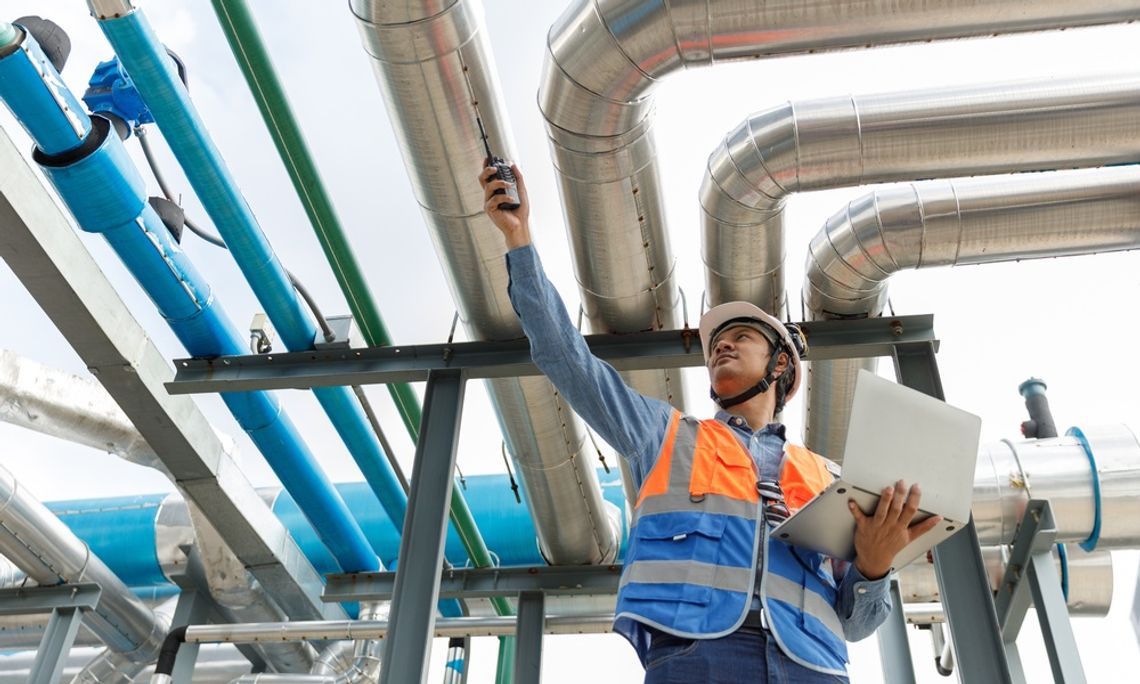
Industrial gas equipment supports essential operations in manufacturing, food processing, healthcare, and other industries that depend on reliable gas delivery. From pumps and compressors to regulators and storage systems, these components maintain productivity and ensure that processes operate safely and efficiently. However, regular use, environmental conditions, and mechanical wear gradually affect equipment performance, increasing the likelihood of breakdowns and costly repairs.
Following effective preventive maintenance tips for industrial gas equipment helps businesses identify potential problems early, extend equipment lifespan, and maintain safer working environments. A well-organized maintenance program combines routine inspections, performance monitoring, proper servicing, and employee training to reduce operational disruptions.
Establish a Consistent Equipment Inspection Schedule
Regular inspections are essential for identifying equipment problems before they develop into major failures. Instead of waiting for visible malfunctions, facilities should establish maintenance schedules based on manufacturer recommendations, equipment usage, and operating conditions. Systems exposed to continuous operation, vibration, moisture, or extreme temperatures may require more frequent attention than equipment operating under less demanding conditions.
During inspections, maintenance personnel should examine pipes, fittings, hoses, and connections for corrosion, deterioration, or visible damage. Pumps, compressors, pressure gauges, and regulators should also be evaluated for unusual wear or inconsistent performance. Documenting inspection findings allows maintenance teams to identify recurring issues, monitor equipment condition, and make informed decisions about repairs or replacement.
Monitor Gas Leaks and Pressure Irregularities
Gas leaks create serious safety concerns, particularly when systems handle flammable, toxic, or oxygen-displacing gases. Even minor leaks increase operating costs, reduce efficiency, and expose workers to hazardous conditions. Facilities should use appropriate gas detection equipment and follow established inspection procedures to identify potential leaks before they become dangerous.
Pressure fluctuations can also indicate developing equipment problems. Excessive pressure may damage components, while insufficient pressure can interfere with production processes and reduce system reliability. Maintenance teams should monitor pressure readings and ensure that regulators, gauges, and protective devices operate within manufacturer-specified limits.
When a leak is suspected, employees should follow established emergency procedures rather than attempting unauthorized repairs. Leak testing should only be performed by qualified personnel using approved equipment and methods appropriate for the gas involved.
Maintain Pumps and Compressors for Reliable Performance
Pumps and compressors are critical components in many industrial gas systems because they help maintain the pressure and flow required for consistent operation. Over time, mechanical wear, contamination, inadequate lubrication, and unsuitable operating conditions reduce their efficiency and increase the risk of shutdowns.
Maintenance personnel should regularly monitor operating temperatures, vibration levels, unusual noises, and changes in equipment output. These indicators reveal developing mechanical problems that may not be immediately visible during routine inspections.
Equipment selection and operating conditions also influence long-term reliability. Understanding how pressure requirements, system design, and component compatibility affect operation can help facilities optimize gas pump system performance while minimizing mechanical stress.
Lubrication requirements should always follow manufacturer specifications because different systems require specialized products or oil-free operation. Using incompatible lubricants can introduce significant safety hazards and compromise system performance.
Keep Filters and Gas Pathways Clean
Contamination is a common cause of reduced efficiency in industrial gas systems. Dust, moisture, oil residue, and other particles can accumulate in filters, valves, and connected equipment, restricting gas flow and placing additional strain on mechanical components.
Routine filter inspections and timely replacement maintain consistent gas delivery and protect sensitive equipment. Facilities should follow manufacturer recommendations when determining replacement intervals, while also considering operating conditions and contamination levels. Monitoring pressure differences across filtration systems can help identify restrictions before they significantly affect performance.
Cleanliness is especially important in applications involving high-purity gases or sensitive manufacturing processes. Maintenance personnel should use cleaning methods and replacement materials approved for the specific gas service to avoid introducing contaminants or incompatible substances.
Inspect Valves, Regulators, and Safety Devices
Valves, regulators, and protective devices control gas movement and help maintain safe operating conditions. When these components deteriorate, they may cause pressure instability, leakage, or difficulties isolating equipment during maintenance or emergencies.
Routine inspections should assess corrosion, external damage, abnormal operating behavior, and signs of leakage. Regulators should maintain consistent pressure within their intended operating range, while shutoff valves and pressure-relief devices should remain functional according to applicable standards and manufacturer instructions.
Safety devices should never be bypassed or adjusted without proper authorization. If a component shows signs of malfunction, qualified maintenance professionals should evaluate the problem and complete necessary repairs before normal operation resumes.
Track Equipment Performance and Maintenance Records
Some equipment problems develop gradually, making ongoing performance monitoring an important part of preventive maintenance. Tracking operating pressure, gas flow, temperature, vibration, and energy consumption helps maintenance teams recognize changes that may indicate wear or reduced efficiency.
For example, increasing energy consumption combined with declining output may suggest mechanical deterioration, restricted flow, or other operating problems. Digital monitoring systems simplify this process by recording performance trends and providing alerts when measurements exceed established limits.
Accurate maintenance records are equally valuable because they provide a history of inspections, repairs, component replacements, and recurring issues. Reviewing this information helps facilities plan maintenance activities, anticipate equipment needs, and make better decisions about long-term system reliability.
Train Employees on Safe Equipment Operation
Proper equipment maintenance depends on employees understanding how industrial gas systems operate and recognizing potential hazards. Workers should receive training appropriate to their responsibilities, including safe operating procedures, warning signs, and emergency response requirements.
Employees should know when equipment must be removed from service and when specialized assistance is necessary. Maintenance involving stored pressure, electrical energy, or hazardous atmospheres requires appropriate isolation procedures, including depressurization and lockout/tagout practices where applicable.
Regular training updates help ensure that employees remain familiar with equipment changes, revised procedures, and workplace safety expectations. A knowledgeable workforce can identify developing problems earlier and reduce the likelihood of accidents caused by improper operation.
Build a Long-Term Preventive Maintenance Strategy
An effective maintenance program requires consistent attention rather than occasional inspections or repairs after equipment fails. Facilities should periodically review inspection findings, performance records, manufacturer recommendations, and operating conditions to determine whether existing maintenance procedures remain appropriate.
Applying practical preventive maintenance tips for industrial gas equipment can help businesses reduce downtime, improve operational efficiency, and extend the useful life of critical components. By combining regular servicing, effective monitoring, accurate documentation, and employee safety training, industrial facilities can maintain dependable gas systems while supporting safer and more productive operations.
Comment
Comments