
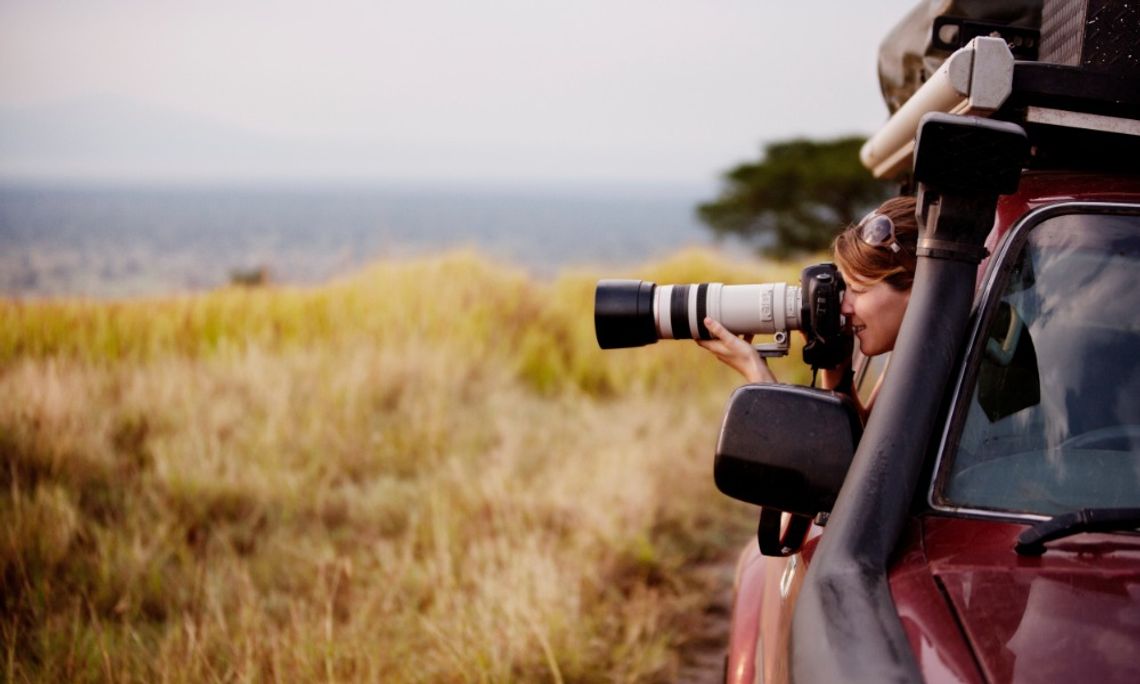
A wildlife safari offers incredible opportunities to photograph animals in their natural habitats, from elk across open meadows to bears near forest edges. Knowing how to protect your camera on safari allows you to concentrate on the wildlife rather than worry about your equipment. Before your next adventure, use the guide below to ensure you know how to keep your camera, and the moments captured within it, safe.
Invest in a Quality Camera Bag
Your camera bag serves as the first line of defense against physical damage. Choose a padded, weather-resistant model with adjustable compartments that keep your camera body, lenses, and accessories secure. A bag with a waterproof cover offers additional protection during unexpected rain or snow.
Look for a design that allows quick access to your equipment without leaving everything exposed. For vehicle-based safaris, a compact shoulder bag or backpack can fit comfortably near your seat. Keep the bag zipped between photography sessions to prevent dust and debris from reaching your gear.
Protect Your Camera From Dust and Dirt
Dust can become a persistent problem during wildlife excursions, particularly along unpaved roads and dry trails. Fine particles can settle around buttons, lens mounts, and other vulnerable areas. Once dust enters your camera, it may affect image quality or interfere with mechanical components.
Keep these practical precautions in mind:
- Store your camera inside its bag between photography stops.
- Use a lens hood to provide additional protection against airborne debris.
- Avoid unnecessary lens changes in dusty environments.
- Clean exterior surfaces with a soft microfiber cloth.
- Use a hand-operated air blower to remove loose particles.
If you need to change lenses, find a sheltered location away from wind and dust. Point the camera's lens mount downward during the change to reduce the chance of particles entering the body. These small habits can help preserve your equipment throughout the trip.
Prepare for Unexpected Weather Conditions
Safari weather can shift dramatically throughout the day, especially in mountainous regions. A clear morning may give way to afternoon showers, strong winds, or sudden temperature drops. Even weather-sealed cameras have limitations, so additional precautions are worthwhile.
Pack a dedicated camera rain cover that fits your camera and longest lens. Unlike improvised plastic coverings, purpose-built covers generally provide easier access to controls and viewfinders. Keep a dry microfiber cloth available for moisture on exterior surfaces.
Cold weather introduces another concern: condensation. When you move a cold camera into a warm vehicle or building, moisture can collect on its surfaces. Place the camera inside a sealed bag before entering the warmer environment, then allow it to adjust gradually before opening the bag.
Use Lens Protection Wisely
Your camera lens deserves particular attention because exposed glass can suffer scratches, fingerprints, and moisture damage. A lens hood provides a useful physical barrier against accidental contact with nearby objects. It can also reduce unwanted glare from sunlight outside the frame.
A high-quality clear protective filter may offer additional protection in dusty conditions. Choose one with good optical coatings, since inexpensive filters can introduce reflections or reduce image quality. Remove the filter if unwanted flare becomes noticeable.
Always replace lens caps before you store your equipment. Avoid wiping dry dirt directly across the glass, as abrasive particles can scratch delicate coatings. Instead, remove loose debris with an air blower before you use an appropriate lens cloth.
Secure Your Equipment Inside Safari Vehicles
Vehicle movement presents another risk to expensive photography equipment. Sudden stops, uneven roads, and sharp turns can send unsecured cameras against hard surfaces. Even a minor impact could damage a lens mount or sensitive internal component.
Keep your camera inside a padded bag whenever you aren't actively photographing wildlife. If you prefer to have it ready, maintain a secure grip and keep the strap attached. Avoid placing equipment on dashboards, seat edges, or other unstable surfaces.
A beanbag support can provide extra stability for longer lenses during stationary photography sessions. Position it on a suitable, stable surface without obstructing the driver or other passengers. Never extend equipment outside a moving vehicle, even for a particularly tempting photograph.
Keep Batteries Safe in Extreme Temperatures
Temperature changes affect camera batteries, sometimes reducing their available capacity considerably. Cold conditions can cause batteries to discharge faster than expected, leaving you without power during an exciting wildlife encounter. Excessive heat can also damage batteries and shorten their lifespan.
Carry at least one fully charged spare battery in a protective case. During cold-weather excursions, store spare batteries in an interior jacket pocket where body warmth can help maintain their performance. Keep battery contacts away from loose metal objects.
In hot conditions, avoid leaving batteries inside vehicles exposed to direct sunlight. Store them in a shaded, temperature-moderate location whenever possible. Check your camera manufacturer's recommendations for safe operating and storage temperatures.
Practice Safe Wildlife Photography
Protecting your camera also means making sensible decisions around wildlife. Animals can behave unpredictably, particularly when they feel threatened or have young nearby. No photograph justifies approaching wildlife too closely or placing yourself in a dangerous position.
A telephoto lens allows you to capture detailed photographs from a respectful distance. Always follow local wildlife-distance regulations and guidance from park authorities. Stay inside your vehicle when circumstances or park rules require it. Avoid sudden movements that could disturb nearby animals. Patience generally produces better photographs than attempts to force an encounter, and it keeps your equipment away from unnecessary hazards.
Clean and Inspect Your Camera After Each Excursion
A camera is one of the best supplies to pack for a Jackson Hole safari adventure, but only if you are willing to take care of your gear. Conducting a brief equipment inspection at the end of each safari day can prevent minor problems from becoming expensive repairs. Dust, moisture, and debris may accumulate even after careful use. Address these issues before they have an opportunity to affect your next photography session.
Begin with a gentle exterior inspection of the camera body and lenses. Remove loose dust with an air blower, then use a clean microfiber cloth on suitable surfaces. Check lens caps, battery compartments, and memory card doors for visible debris.
Back Up Your Photos Throughout Your Trip
Physical camera protection is only part of the equation. Your photographs deserve equal attention, especially after a day filled with rare wildlife encounters. A damaged or misplaced memory card could mean losing images you cannot recreate.
Bring several reliable memory cards rather than depend on a single high-capacity card. If possible, transfer your photographs to a portable storage device or laptop at the end of each day. Maintain the original files on your memory cards until you've confirmed that your backups work.
Protect Your Camera and Enjoy Every Safari Moment
Learning how you can protect your camera on safari helps you enjoy wildlife photography with greater confidence. With these habits established, you can devote more attention to the landscapes and extraordinary animals around you. Explore your safari options and prepare for an unforgettable adventure in the wilderness.
Comment
Comments